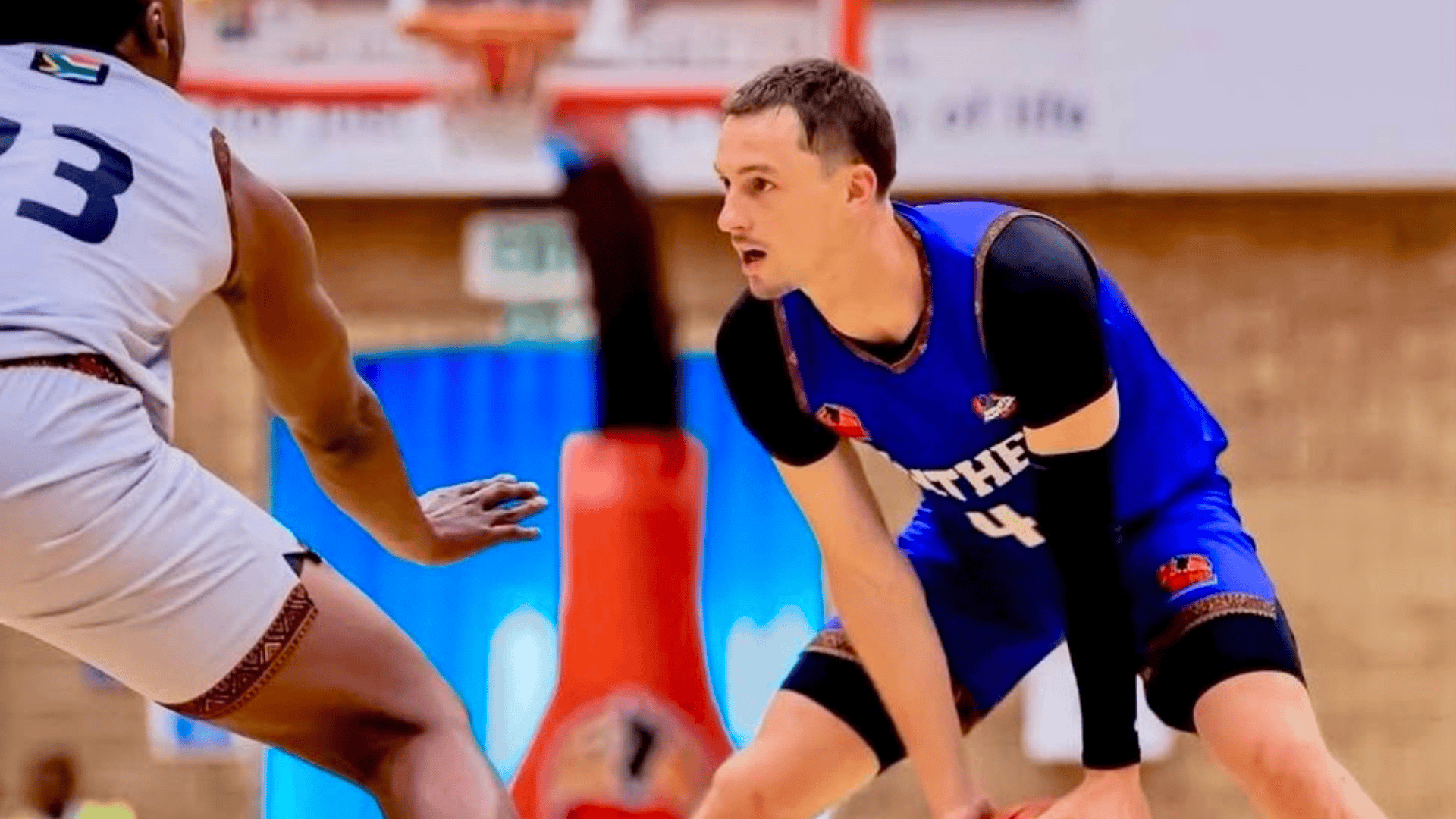
“Absolutely nothing.” That is what goes through Benjamin Myburgh‘s mind when a basketball game is on the line. No frantic self-talk. No fear of missing the shot or making the wrong read. The South African guard believes he is at his best when he is fully locked into the moment. “You play your best when you aren’t afraid of the outcome,” he says.
That calm is backed by a serious amount of work. During a demanding week, Myburgh can train for up to 20 hours, moving between early-morning court sessions, five visits to the weight room and team practices in the evening. His days start with what he calls “daily touches”, a low-key name for the repeated finishes, ball-handling drills and spot shooting that keep his game sharp.
READ MORE: Holy Mandungu Is Redefining What a Modern Athlete Looks Like
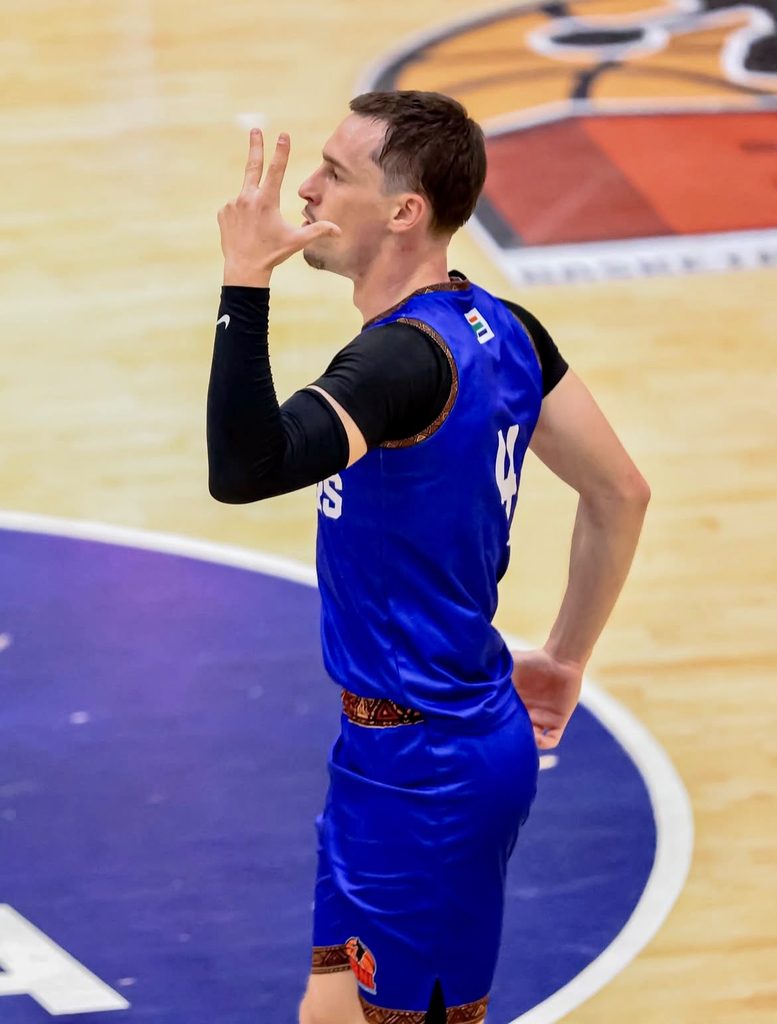
Myburgh is a 183cm combo guard who can operate at shooting guard or point guard. He has competed in Basketball Africa League qualifiers and helped the KZN Marlins complete an undefeated championship season in 2024. In 2025, he delivered the kind of stat line that captures his all-court influence: 22 points, 11 assists, eight rebounds and seven steals against the Northwest Eagles.
The numbers point to a player who refuses to live in one lane. Myburgh is recognised for his shooting, but he takes just as much pride in creating for teammates and disrupting opponents. He says his understanding of the game allows him to influence it on both ends of the floor. Now he is trying to stretch that influence even further.
He Trains for the Game, Not the Drill
Myburgh tailors his court work to the two positions he plays. As a shooting guard, he needs to be ready to score without dominating the ball. At point guard, he has to create, facilitate and make decisions under pressure. His solution is simple: recreate the game as closely as possible. “I like to train at game speed to simulate in-game intensity,” he says.
In the off-season, when team practices fall away, he designs sessions that combine dribbling, finishing and shooting with conditioning. The goal is to execute each skill while tired, when technique becomes harder to maintain and decision-making can start to slip. It is less about looking polished in an empty gym and more about being useful late in the fourth quarter.
READ MORE: How Sifiso Gininda Became One of SA Basketball’s Best
His strength work follows the same performance-first logic. Myburgh favours full-body compound movements because basketball rarely asks one muscle to work in isolation. Barbell cleans are a staple. Loaded heavily, they teach him to generate force through his entire body. He pairs them with depth jumps, which require him to absorb force and produce it again in a short space of time.
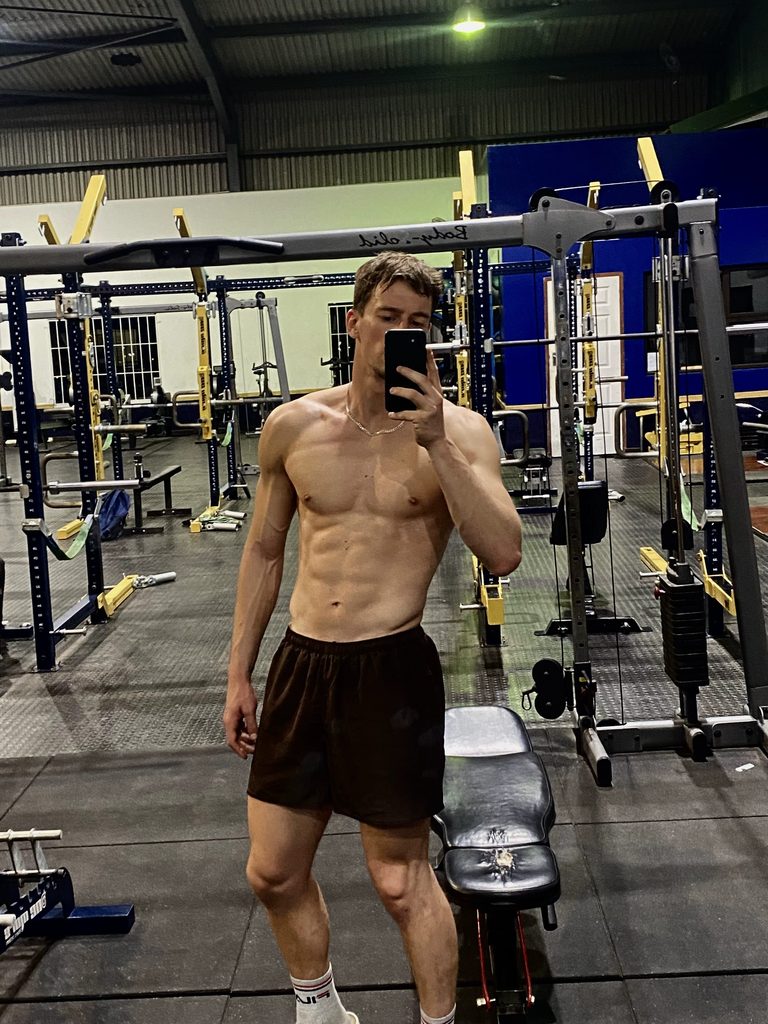
Multidirectional pogo jumps prepare his lower legs for the repeated cuts, landings and changes of direction that come with playing on the perimeter. He also sprints, partly because the dimensions of a basketball court mean players do not often reach their true top speed during games.
For a player whose game relies on quickness and lift, the lower body requires constant attention. Myburgh puts extra work into his knees and lower legs, using Spanish squats, wall sits and other isometric holds to support his tendons through the season. Warm-ups and stretching are not optional extras, especially when his training volume climbs.
Five gym visits do not mean five punishing sessions. Some are dedicated to strength and explosiveness, while others are recovery-based. Myburgh knows that ambition can turn into overtraining if every day becomes a test of toughness. “Listening to your body and having a periodised programme can help with maintaining mental and physical health,” he says.
When Motivation Runs Out
Myburgh does not claim to feel inspired every morning. A schedule this full can make consistency difficult, and he accepts that motivation will come and go. What keeps him moving is less glamorous. “I believe that discipline takes over when motivation runs out,” he says. His version of discipline is not about ignoring every warning sign. If his body needs a lighter session, he adjusts the programme. That ability to distinguish between a passing lack of enthusiasm and genuine fatigue helps him stay consistent without treating exhaustion as a badge of honour.
READ MORE: Why Men Need to Train for Balance in the Age of Burnout
The lesson was reinforced during the Marlins’ undefeated 2024 campaign. Myburgh says consistency across the board was the difference, from individual preparation to the standards the team maintained together. Good habits gave them something reliable to fall back on when games became difficult and expectations continued to rise. He applies a similar approach to his mental wellness. On the court, he tries not to worry about mistakes because fear makes it harder to play freely. Away from basketball, his family and friends provide the support that training cannot. That social circle matters, even though the demands of the sport sometimes pull him away from it.
Myburgh describes sacrificing parts of his social life as one of the hardest realities of competing at his level. Saying no to friends and family is never easy, but a training session will sometimes have to win. “Maintaining a balance between the two is important,” he says, “but to reach your goals, you sometimes have to prioritise one over the other.”
The Fuel Behind a 20-Hour Week
Multiple daily sessions require a steady supply of energy. Myburgh eats five times a day and organises his meals around training. Protein has its place, but carbohydrates are the priority. He is not only trying to recover from the session he has completed. He needs enough energy to perform in the next one.
His game-day menu is refreshingly uncomplicated. Chicken and sweet potato is his preferred pre-game meal. During matches, he snacks on jelly babies. When he needs something quick afterwards, he reaches for a peanut butter and honey sandwich. His supplement routine is just as short: creatine and magnesium.
All of it serves a bigger ambition. Myburgh wants to return to the Basketball Africa League and establish himself among the continent’s premier guards. To make that jump, he is evolving from an elite off-ball scorer into a player who can run an offence from the point guard position.
That means becoming more dangerous with the ball, creating his own shot and organising the players around him. It also means preparing for the physicality that rises at every level. His training, recovery and nutrition are being shaped around the player he wants to become, not only the player he is now.
There is no single workout that will get Myburgh back to the BAL. The path is more repetitive than that: daily touches, game-speed reps, cleans, jumps, sprints, recovery sessions and meals timed around the next demand. Then there is the discipline to do it again when motivation is missing.
READ MORE: Lethal Shooter Chris Matthews Is Coming to South Africa for Red Bull Half Court
When the opportunity arrives and the game tightens, the work is designed to leave him with nothing to think about. Just the moment, the read and the next play.