The role of exercise in keeping mental disorders at bay has been well studied and endlessly verified. But the diet-depression connection represents a new frontier, and recent research suggests that what we put on our plates could have a major impact on how we feel.
A recent study published in Psychiatry and Clinical Neurosciences explored how closely following traditional and modified Japanese diets relates to the presence of depressive symptoms among working adults in Japan. In other words, could a specific eating pattern help battle the blues?
The Study: How Traditional and Modern Japanese Diets May Impact Mental Health
This study looked at data from the Japan Epidemiology Collaboration on Occupational Health (J-ECOH), collected between 2018 and 2021 from employees at five companies across six locations. Nearly 13 000 participants filled out two questionnaires—one about their eating habits and another that measured signs of depression.
READ MORE: A Handful of Benefits: How This Easy Snack Could Help Ward Off Depression
Researchers gave each person a score based on how closely their diet followed either a traditional Japanese eating style or a healthier, modified version. The traditional diet included foods like fish, cooked vegetables, soy products, mushrooms, seaweed, miso soup, white rice, green tea and salty snacks. The modified diet swapped white rice for whole or less processed grains, reduced salty foods and added raw vegetables, fruits and dairy. People were then divided into four groups depending on how closely they stuck to each diet.
The Results: Higher Diet Scores Linked to Lower Rates of Depression
The results showed a clear pattern: the closer someone followed either diet, the less likely they were to have symptoms of depression. For both diet types, depression rates dropped steadily as diet scores went up—and the link was strong enough to be considered statistically meaningful.
READ MORE: 6 Health Benefits of Magnesium—And How You Can Get More (Naturally)
Even when researchers accounted for people who had a history of mental health issues, the results stayed the same. Both diets seemed to help battle the blues, but the modified variant—with more fruits, veggies and dairy—was just as effective.
Put It Into Action: Smart Tweaks For Your Own Diet
A traditional japanese diet tends to be heavy on the fish, veggies, soy products, miso and mushrooms. All heroic ingredients in their own right; here are a few you should weave into your mental-muscle meal plan right now:
1. Fish
Especially the fatty catches. These hauls are rich in Omega-3 fatty acids, protein and vitamin D which work in tandem to support brain health, reduce inflammation and, yes, lower your risk of depression.
2. Seaweed
These sushi wrappers are nutritional powerhouses packing fibre, calcium, iodine and antioxidants. Snacking on them (you can snag them in bite-sized “chip” form) can support thyroid function, gut health and may even (according to some research) help lower blood pressure.
3. White Rice
But go easy on the portion sizes. These are your quick-access carbs netting you energy when you need it most, i.e., when you’re en route to the gym. Just make sure to pair with fibre-rich sides like seaweed or cooked veggies to help regulate your blood sugar.
4. Green Tea
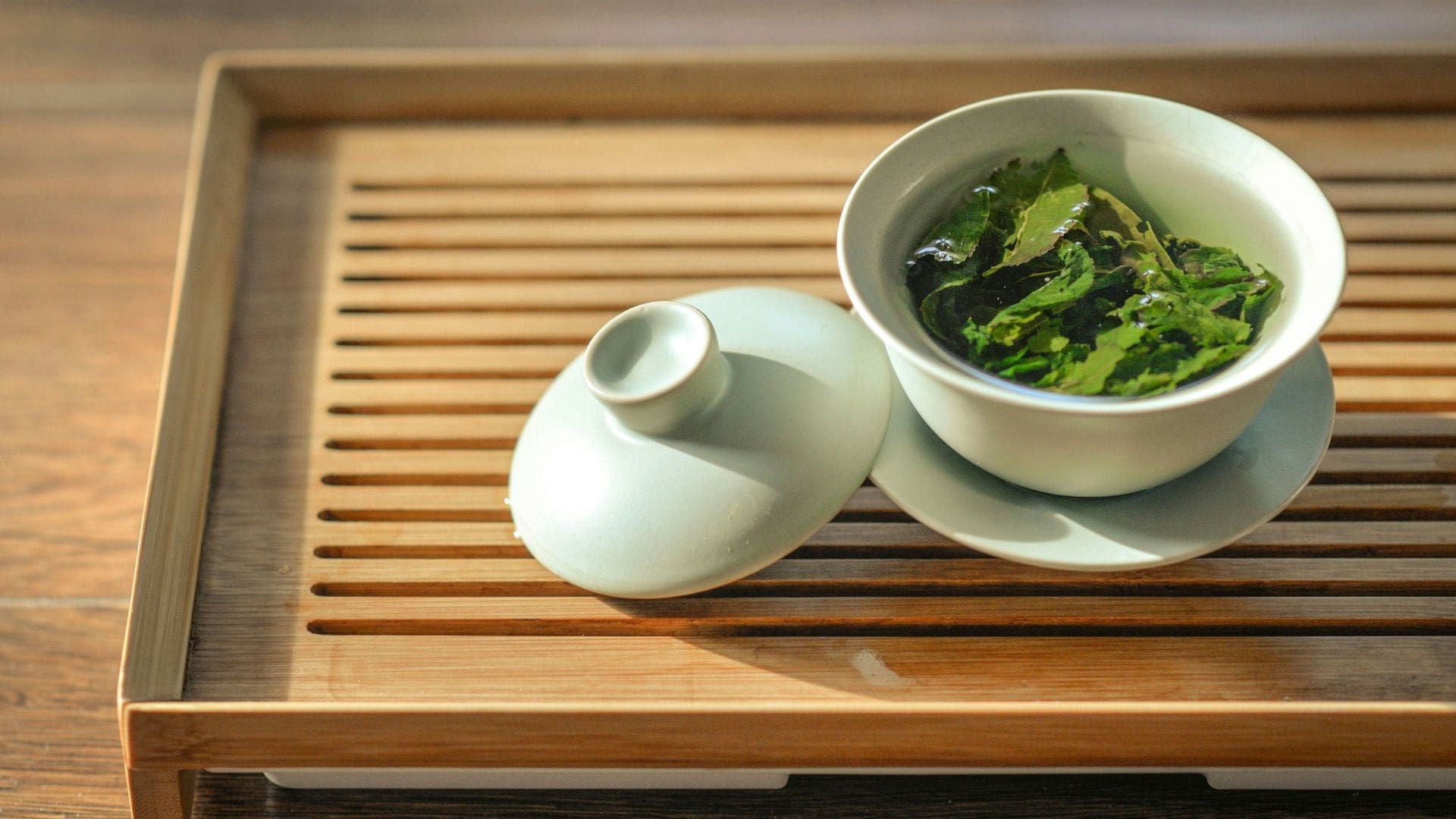
Research has found that sipping on this coffee alternative can not only help boost your metabolism but may also help reduce stress and improve brain health.
READ MORE: Mind Meals: How These 13 Foods Impact Stress, Anxiety & More
5. Mushrooms
The humble fungi is available in plenty of varieties, and almost all of them (except the hallucinogenic kind) pack plenty of vitamin D and B vitamins. Studies have found that eating them can help strengthen your immune system.
6. Miso
This is a fermented soybean paste that’ll ramp up the umami flavour of any dish you add it to. Use in soups or to upgrade your bowl of stew. Best part: it’s good for your heart and, according to some research, could also help balance out your hormones.