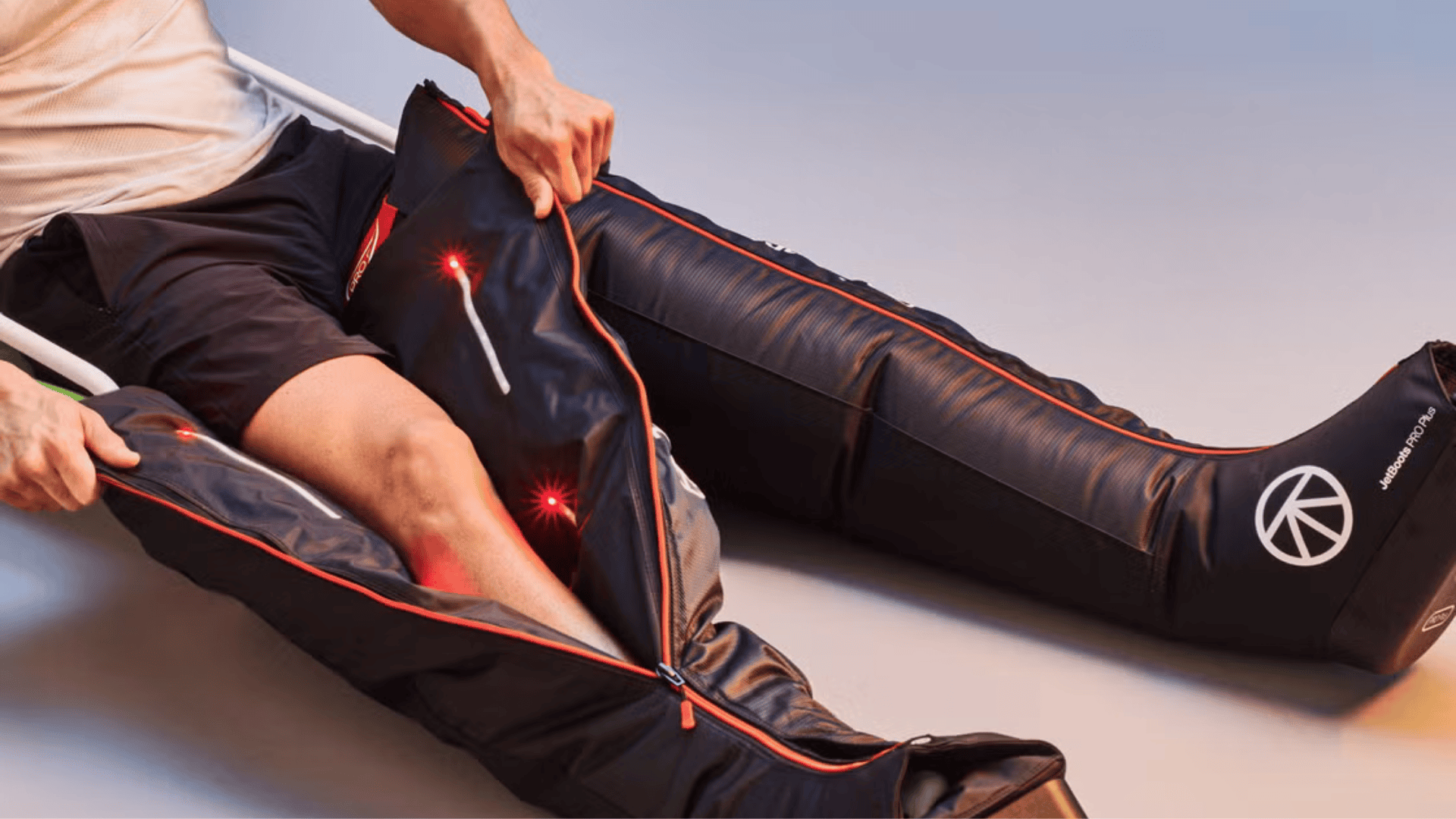
During Wimbledon, recovery is almost as important as training. Between matches, players rely on carefully planned recovery strategies that include nutrition, physiotherapy, sleep optimisation and recovery technology to help them perform again the following day. Compression boots, massage guns and other recovery tools have become increasingly common in elite sport. But while they’re often associated with professional athletes, can these tools actually help everyday runners, gym-goers and active people recover better?
With my own training schedule becoming more demanding, I decided to find out. Over several weeks, I tested three recovery tools commonly used by athletes: compression boots, a percussion massage gun and a digital wellness device designed to reduce evening screen time. I wasn’t looking for a shortcut or a miracle fix. Instead, I wanted to see whether these tools could support the fundamentals that matter most: better sleep, improved recovery and healthier habits around winding down after a busy day.
Why Recovery Matters More Than Most Athletes Think
Most people focus heavily on training but pay far less attention to recovery. Yet research consistently shows that sleep plays a critical role in physical performance, muscle repair, cognitive function and overall wellbeing. Poor recovery doesn’t just affect how you feel the next day. Over time, it can influence training quality, motivation and injury risk. That’s why elite athletes treat recovery as part of performance rather than something that happens once training is finished.
With that in mind, I focused on three areas that often affect recovery:
- Full-leg recovery after training
- Reducing muscle tension throughout the body
- Limiting evening distractions that can interfere with sleep
I Tested Compression Boots for Leg Recovery
I started with the Hyperice Normatec Legs 3 compression boots, a recovery tool that’s become a familiar sight in elite sport. Athletes including Novak Djokovic, Naomi Osaka and LeBron James have incorporated compression therapy into their recovery routines. The concept is straightforward: the boots apply rhythmic air compression to the legs, helping stimulate circulation and reduce the sensation of fatigue after exercise.
READ MORE: The Science of Recovery: See the Benefits of Compression Garments
Research suggests compression therapy may help reduce perceived muscle soreness and support recovery between training sessions, although results vary between individuals. I spent 30 minutes using the boots after a demanding training session. As the chambers inflated and released in sequence, the sensation felt similar to a deep sports massage moving gradually through the legs.
What surprised me wasn’t an immediate feeling of being fully recovered. Instead, I noticed my legs felt less heavy heading into the evening. There was a sense that some of the physical stress from the day’s training had been reduced. For runners especially, that transition can be valuable. Sleep remains one of the most powerful recovery tools available, but it’s often harder to relax when your body still feels physically switched on. The biggest takeaway? Compression boots didn’t feel like a recovery shortcut, but they did seem to make the transition from training mode to recovery mode easier.
Can a Massage Gun Improve Recovery?
Heavy training loads often create muscle tightness that can linger well into the evening. To address that, I tested the Hyperice Hypervolt 3, a percussion massage gun designed to target specific muscle groups through rapid, repetitive pressure. Massage guns have become popular among athletes because they offer a convenient way to reduce feelings of muscle tightness and improve mobility. While research on percussion therapy is still evolving, some studies suggest it may help improve range of motion and reduce perceptions of soreness following exercise.
READ MORE: 13 Post-Workout Foods for Faster Muscle Recovery, Backed by Science
In practice, I found the biggest benefit wasn’t necessarily physical. Using the Hypervolt for a few minutes after training became part of a consistent recovery ritual. As I worked through tight areas in my calves, hamstrings and glutes, it created a clear mental signal that the training day was over. That psychological shift may be underrated. Recovery isn’t only about muscle tissue. It’s also about allowing the mind to move out of a high-performance state and into a more relaxed one. The Hypervolt didn’t eliminate soreness, but it helped me feel more physically comfortable and mentally prepared to wind down.
The Recovery Habit Most People Ignore
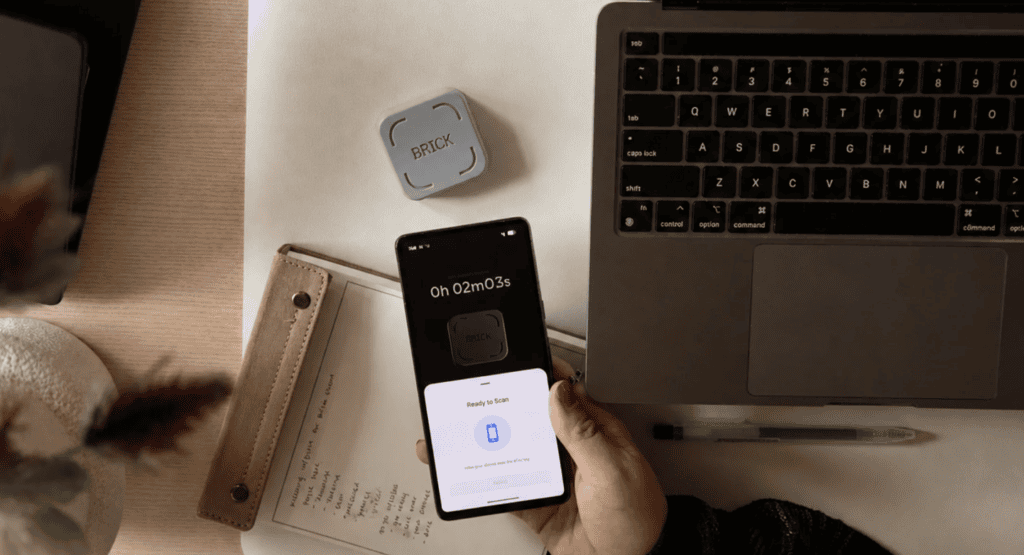
Recovery isn’t only physical. For many of us, one of the biggest barriers to quality sleep is the stimulation we carry into bed, and most of it comes from our phones. We all know that scrolling social media late at night isn’t ideal. The challenge is stopping ourselves when we’re tired and looking for an easy distraction.
That’s where Brick enters the conversation. Brick is a small physical device that temporarily locks selected apps or phone functions with a simple tap. The idea is to create a barrier between you and the habits that often keep you awake later than intended. What makes the concept interesting is that it removes some of the decision-making. Instead of relying entirely on willpower at 10pm, it introduces a physical step that makes endless scrolling less convenient.
READ MORE: Inside Sifiso Ngobeni’s Approach to Discipline Recovery and Running
During my test period, I found myself spending noticeably less time on social media before bed. Not because I suddenly became more disciplined, but because the extra friction encouraged me to stick to my intended bedtime routine. The result wasn’t life-changing overnight, but it did reduce the likelihood of turning a quick phone check into an hour of scrolling.
What Actually Changed
The biggest lesson from testing these tools was that none of them worked particularly well in isolation. The real difference came when they became part of a consistent evening routine. After training, I started spending around 10 to 15 minutes intentionally shifting into recovery mode by:
- Dimming the lights
- Using the Hypervolt to release muscle tension
- Listening to calming music
- Limiting phone distractions through Brick
- Giving myself time to unwind before bed
The outcome wasn’t a dramatic transformation. Instead, my evenings felt calmer. My body felt less tense. My mind felt less stimulated. And falling asleep felt easier because I was creating the conditions that support good sleep rather than expecting sleep to happen automatically.
Do Recovery Tools Really Work?
The short answer is yes, but probably not in the way many people expect. Recovery technology shouldn’t be viewed as a replacement for the fundamentals.
Those fundamentals remain:
- Consistent sleep timing
- Good nutrition
- Effective stress management
- A cool, dark sleep environment
- Regular movement and mobility work
- Limiting unnecessary evening stimulation
What recovery tools can do is make those habits easier to maintain. Compression boots won’t replace recovery. A massage gun won’t replace mobility work. A phone-blocking device won’t replace discipline. But each tool can help create an environment that supports recovery more effectively.
Final Verdict
For me, the biggest lesson was that recovery technology works best when it reinforces good habits rather than trying to replace them. The compression boots helped reduce the feeling of heavy legs after training. The massage gun encouraged a more deliberate recovery routine. The phone-blocking device helped reduce unnecessary evening distractions.
READ MORE: The Science Behind Prime Night and Why Recovery Starts Before Bed
None of them produced a dramatic overnight improvement on their own. Together, however, they created a clearer separation between training, work and sleep, something many active people struggle to achieve. Technology can support that process, but it works best when paired with good habits. For runners, gym-goers and anyone pushing their body regularly, the goal isn’t simply to train harder. It’s to recover better.
Practical Recovery Tips
- Create a consistent wind-down routine before bed.
- Keep your bedroom cool, dark and quiet.
- Avoid making your phone the last thing you look at before sleeping.
- Use recovery tools as part of a broader routine, not as a replacement for one.
- Prioritise sleep before investing in expensive recovery technology.
- Choose recovery habits that are realistic enough to repeat consistently.

Meet Sam Neame
Sam Neame is a U.K.-based performance coach and writer covering sleep, performance, fitness, and longevity. Working with Olympic athletes and high-performing individuals, his work explores the intersection of recovery, health, and sustainable performance, and how better habits can help people perform, feel, and live better over time.