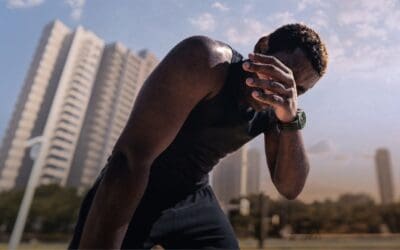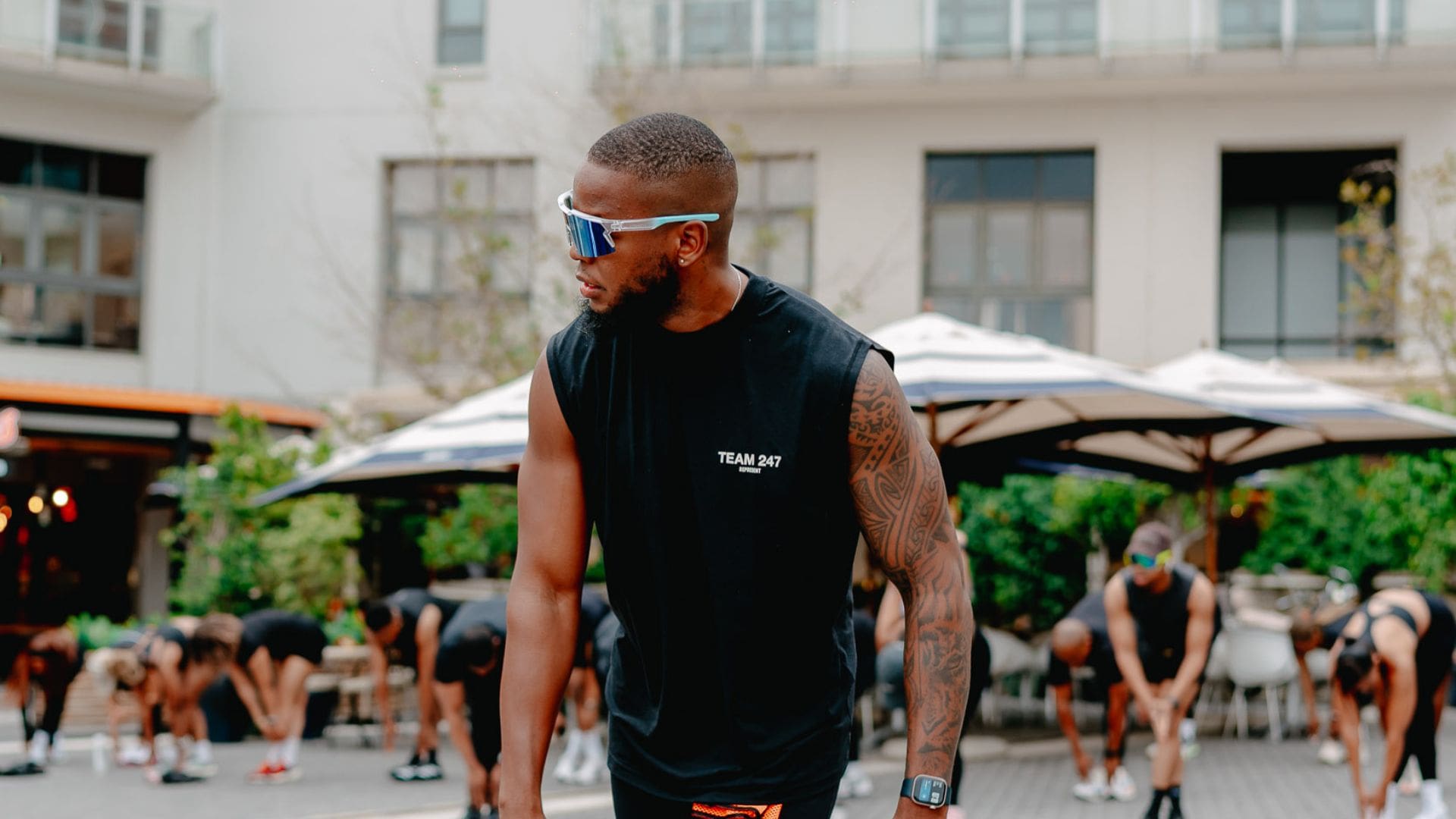
Sifiso Ngobeni is not your typical fitness voice. Online, he moves between training clips, moments of reflection and messages that land somewhere between discipline and purpose. Offline, he is a medical professional with a background rooted in science, structure and long-term thinking. Together, those worlds form something rare. Not just a fitness personality, but someone trying to redefine what strength actually looks like.
Known to many as SK, Sifiso has built a growing community around more than just workouts. His content speaks to men who want to be better. Not just stronger in the gym, but more disciplined, more intentional and more grounded in how they show up in their lives. It is part performance, part philosophy and part lived experience. For Sifiso, being fit is not about chasing trends or social media validation; it is about creating a sustainable framework for personal growth that lasts a lifetime.
That journey did not start online. It started with being told he was not enough. And it was that simple, harsh comment that became the foundation of everything he does today. His approach blends mental resilience, physical training and structured discipline, creating a blueprint that feels achievable yet ambitious.
The Moment That Changed Everything
At 15, Sifiso was playing rugby when he was told he was too small for the sport. Instead of stepping away, he leaned in. Training became the answer. The small setbacks he experienced early on did not break him, they motivated him. “At that age, you do not have many resources,” he says. “But I started understanding what it means to build a body, to build resilience and to build confidence.”
What began as a response to a limitation quickly became something deeper. Training was no longer just about size or performance. It became a daily habit, a structure, a way to take control. For a teenager navigating self-esteem, school pressures and the early stages of independence, that routine became a lifeline. Every early morning run, every set of push-ups, and every disciplined meal taught him lessons far beyond sport.
READ MORE: Bonko Khoza Built His “Heart of the Hunter” Body on Calorie Deficit and Discipline
“I started seeing changes not just physically, but mentally,” he says. “Discipline, responsibility, showing up better at school. It became part of who I was.” Even now, more than a decade later, Sifiso reflects on those formative years as the foundation of his mindset, that discipline is not punishment, it is freedom.
From Rugby Dreams to Medicine
At one point, rugby was more than just a sport. It was the plan. The goal was to pursue it professionally. But life redirected him. After a conversation with his family, Sifiso shifted his focus to academics. He went on to complete a Bachelor of Science, followed by a medical degree and is now pursuing a postgraduate diploma in public health. His current focus is corporate medicine.
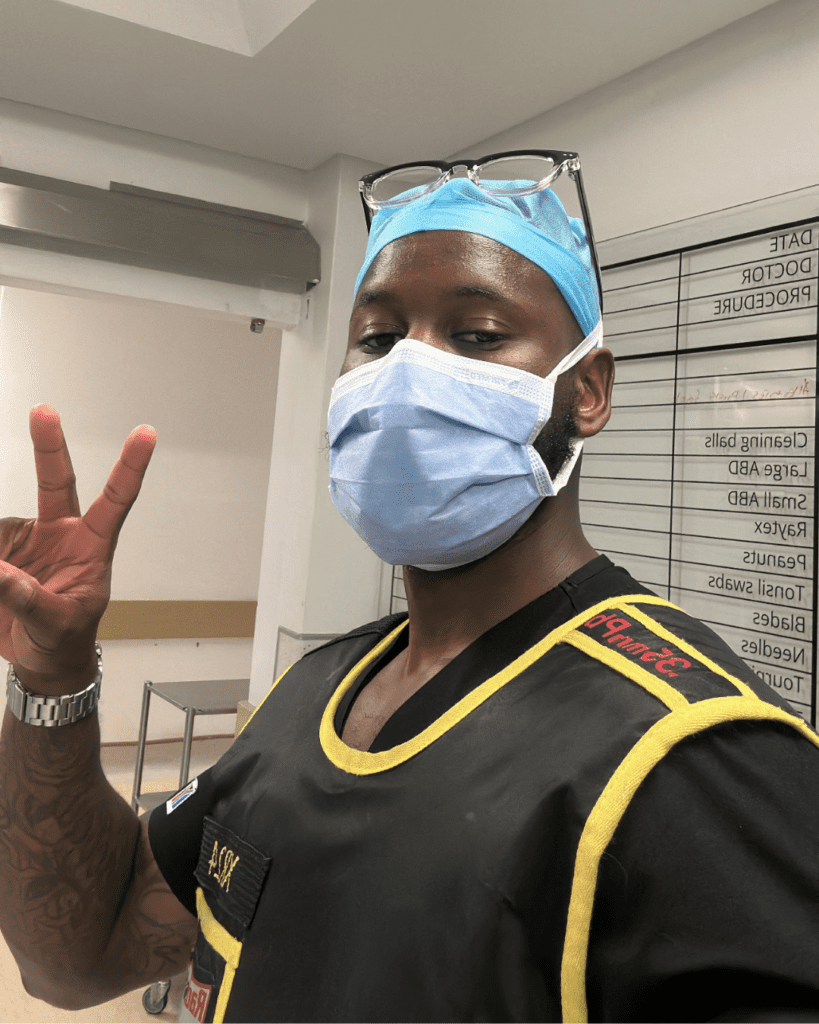
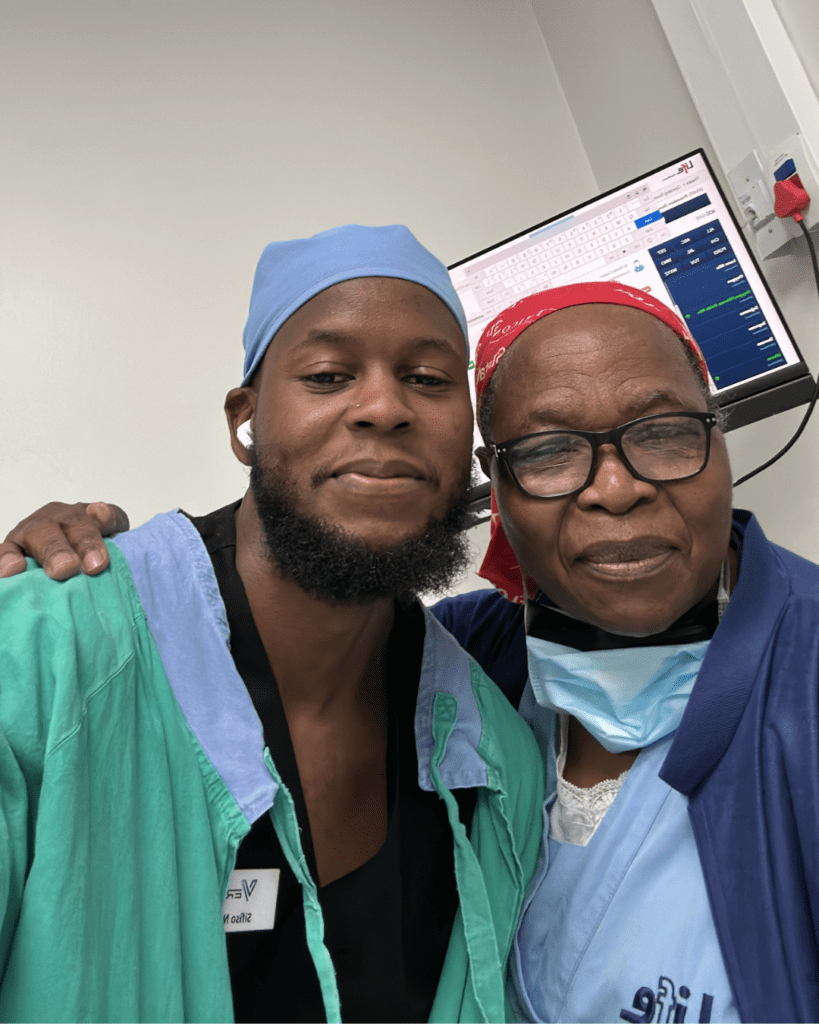
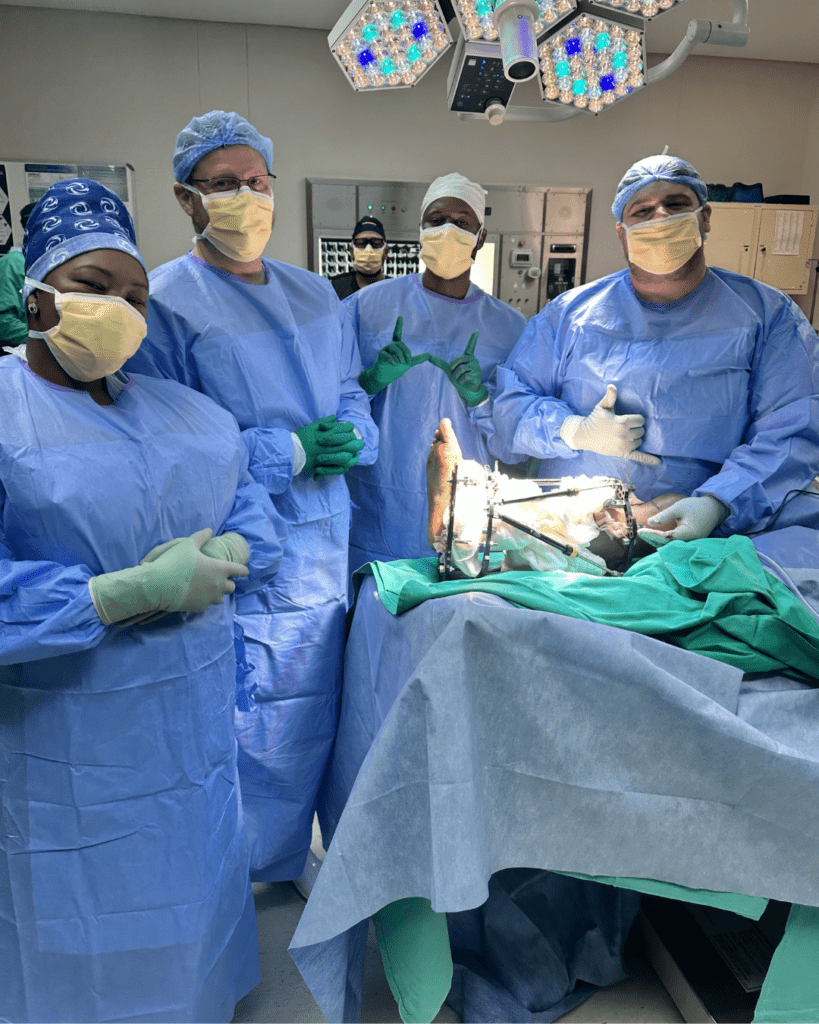
While his medical career and wellness content exist separately, they often intersect in how he understands performance and the body. His scientific training informs his approach to recovery, nutrition and injury prevention, giving him a perspective many fitness influencers lack. He does not just prescribe exercises; he explains why they work.
“It was not the original plan,” he admits. “But it became a calling. And I realised that medicine also requires discipline, strategy and resilience, things I learned on the field.”
Why Recovery Is the Real Performance Hack
Sifiso does not train like most people. Instead of chasing intensity, he focuses on sustainability. He measures effort not just in sweat, but in its effect on his nervous system, muscles and long-term performance. “Most people push until something hurts, then they stop,” he says. “I focus on managing load, planning recovery and understanding my body’s signals.”
READ MORE: 13 Post-Workout Foods for Faster Muscle Recovery, Backed by Science
From a medical perspective, performance is about balancing stress and capacity. That means building gradually, fuelling properly and paying attention to patterns, not just individual sessions. Sifiso tracks how he feels daily, adjusting volume, intensity and rest accordingly. He emphasises that ignoring recovery can lead to injury and burnout, lessons he has learned firsthand. “I deload before I feel broken. I listen to my body. I allow recovery to be proactive, not reactive.”
For him, the most underrated part of peak performance is simple, sleep, nutrition and mental downtime. Recovery is where the body rebuilds, adapts and grows stronger. Skipping it is not just counterproductive; it is self-sabotage. “Recovery. That is where real growth happens. It is not optional, it is essential.”
The Truth About Looking Fit
One of the biggest misconceptions he sees is the idea that looking fit equals being healthy. Too many people chase a visual ideal without understanding the work happening inside. “Just because you look fit does not mean you are healthy,” he says. “I want men to think beyond aesthetics. Fitness should be about functionality, energy and long-term wellness.”
READ MORE: Eat and Train Like Michael B. Jordan
He encourages men to pay attention to internal markers of health, sleep quality, blood work, hormonal balance and gut health. By measuring these indicators alongside strength and conditioning, Sifiso believes fitness becomes more meaningful. Looking good might get attention, but feeling good and performing consistently is what lasts. “If we focus on enhancing training, we should also focus on enhancing recovery.”
The Role of Gut Health and Nutrition
While many focus on protein and muscle growth, Sifiso believes the finer details are often overlooked. Nutrition is not just about macros, it is about how the body processes food, repairs tissue and maintains balance. “Things like probiotics, omega-3s and overall nutrient intake play a huge role in recovery,” he says. “What you put in your body today affects performance tomorrow.”

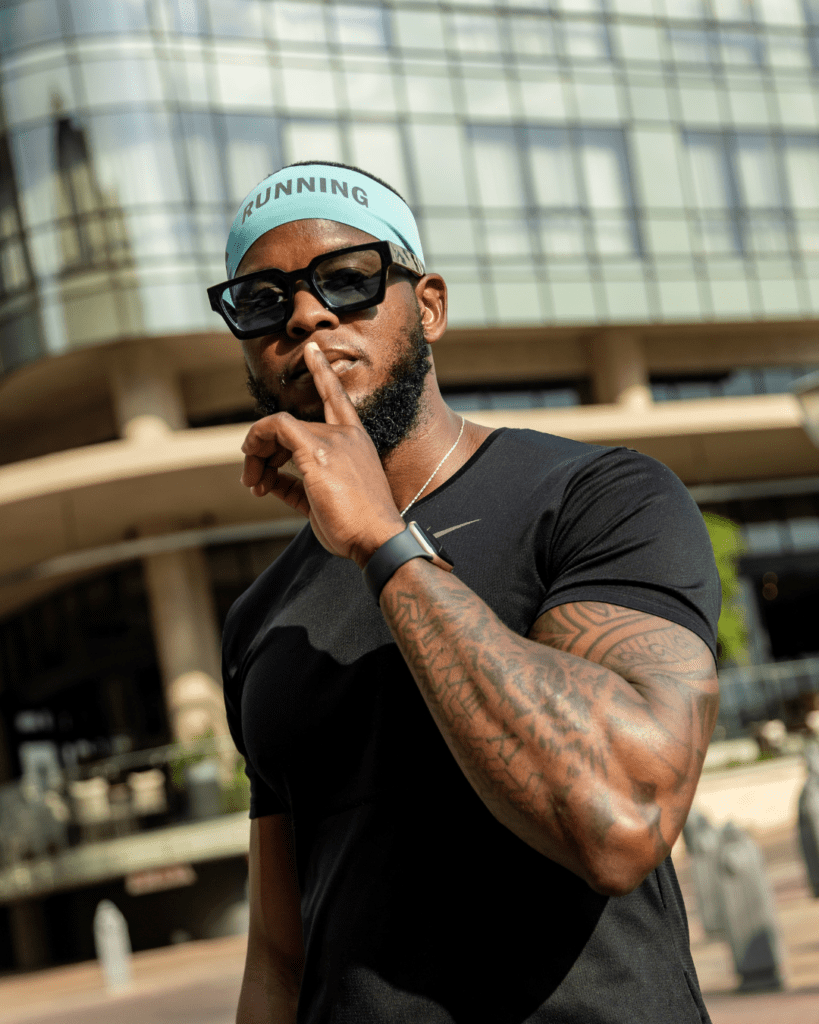
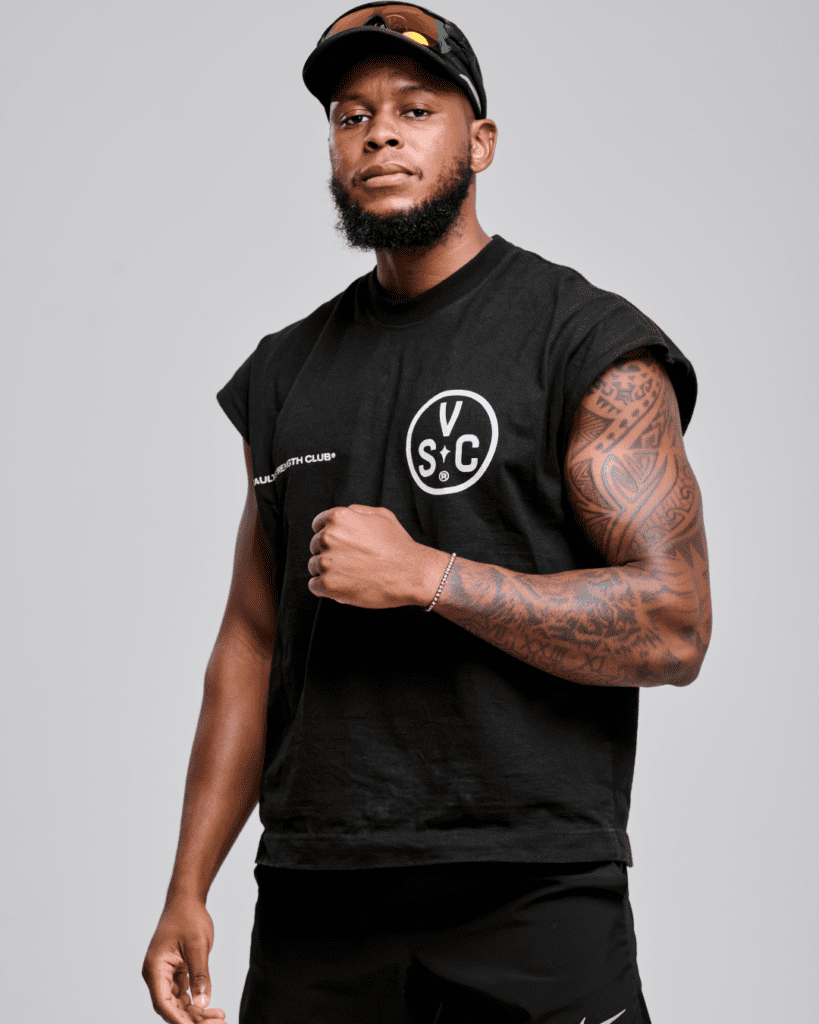
His interest in gut health came from wanting to improve how the body responds to training. For him, recovery is not just about rest. It is about how the body absorbs and rebuilds after stress. His regimen includes a variety of nutrient-dense foods, hydration strategies and timed meals to optimise energy for both work and workouts. “It is about giving your body what it needs to perform again and to prevent breakdowns before they happen.”
Running as a Form of Healing
Running was not always part of Sifiso’s routine. With a background in rugby and strength training, it came later, but it quickly became one of his favourite forms of self-expression. Running gave him mental clarity, a way to manage stress and a tangible measure of progress.
“I started running during a time when I needed healing,” he says. “It became more than a workout. It became therapy.”
What began as something new quickly became something meaningful. Running became part of his routine and his personal growth. He uses it not just for endurance, but for meditation and focus. It is where he reflects on goals, plans his week and reconnects with himself. Now, he runs two to three times a week while maintaining strength work, building a balanced approach to fitness that addresses speed, power and resilience.
Finding Balance in a Busy Life
Between medicine, training, content creation and community, Sifiso’s schedule is demanding. His approach to balance is simple but intentional. “I find time,” he says. “It is about prioritising what matters and committing to it.”
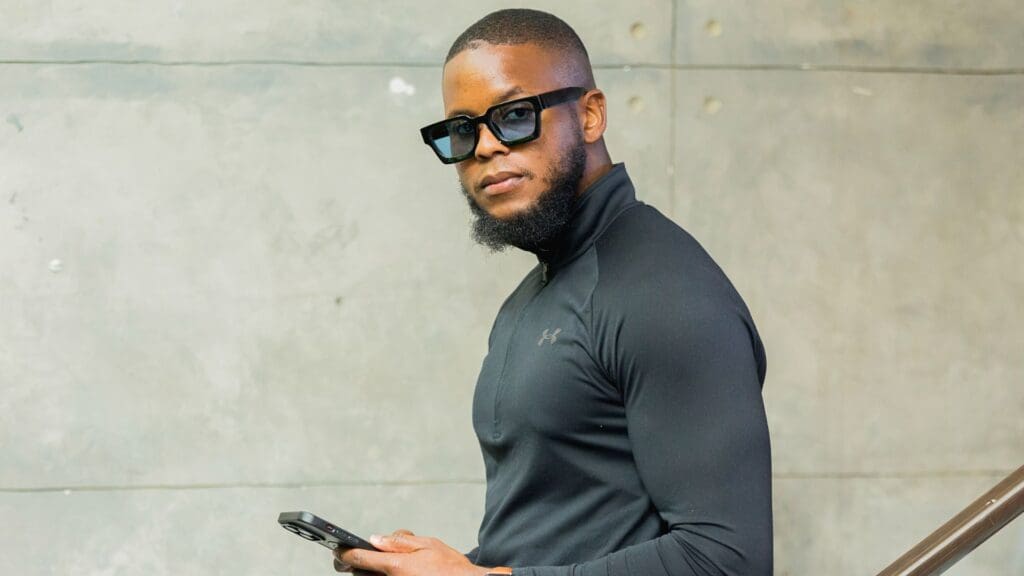
Rather than overcomplicating it, he integrates recovery into his daily life. Active recovery, stretching, mindful meals and mental downtime are non-negotiables. By combining structured planning with flexibility, he avoids burnout while maintaining high performance across multiple areas of life. “If I am tired, I rest. There is no shame in it. That is part of discipline, too.”
Discipline as a Way of Life
At the core of everything is discipline. Sifiso does not view it as rigidity or punishment, it is a tool for freedom. It is the ability to make choices that align with long-term goals rather than short-term satisfaction. “Discipline is action,” he says. “Your yes must be a yes and your no must be a no.”
READ MORE: Sibusiso Kubheka Becomes First to Break 6-Hour Barrier in 100km Run with adidas
It is not something he switches on and off. It is part of who he is. It shapes how he trains, works and lives. Whether it is waking up for an early run, sticking to a study schedule or managing patients’ care with precision, discipline is the foundation.
Faith as the Foundation
Sifiso’s discipline is deeply connected to his faith. It informs everything he does, guiding decisions, shaping character and giving purpose. “Faith strengthens everything,” he says. “It grounds me and reminds me why I do what I do.”
It informs how he shows up in his work, his training and his relationships. For him, purpose, belief and performance are all connected, creating a holistic framework for life.
Leading Through Community
Through his content and community, Sifiso’s message is consistent, growth matters more than perfection. His followers are inspired not just by what he does, but by how he does it. “The men who follow me want to be better,” he says. “I am just showing them the way, through example and honesty.” Rather than structured challenges, he believes his lifestyle itself is the example. Each day is a lesson in showing up, respecting the process and putting in the work.
What Strength Looks Like Today
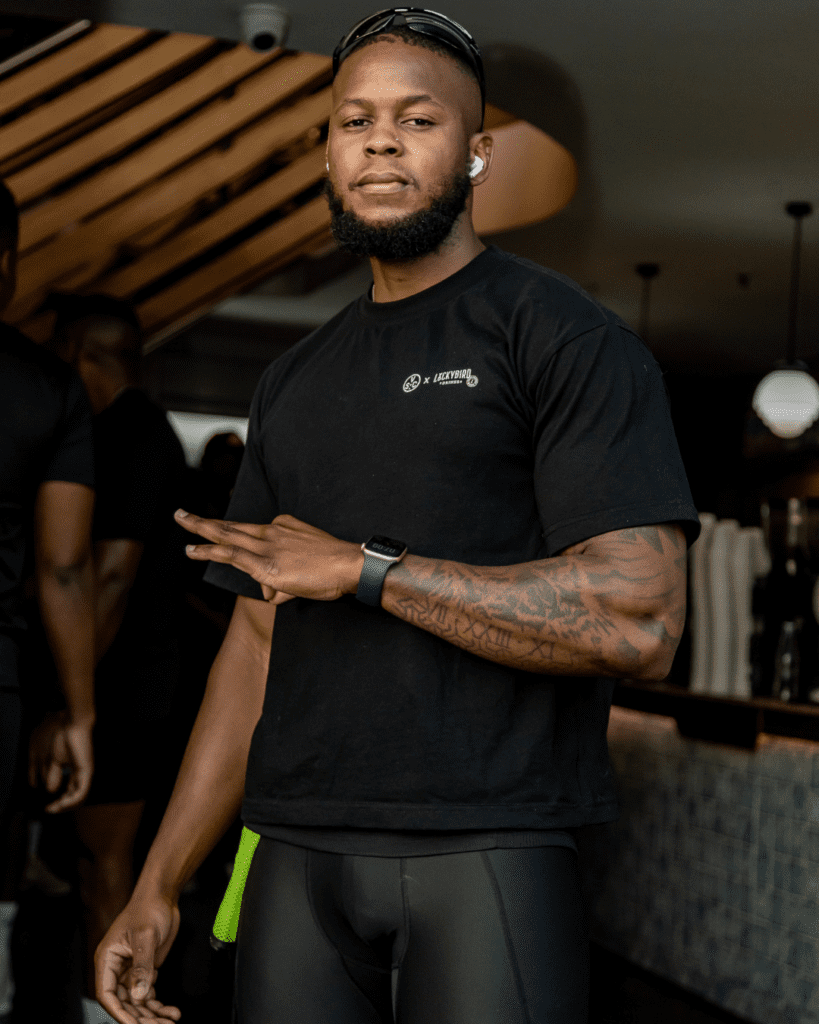
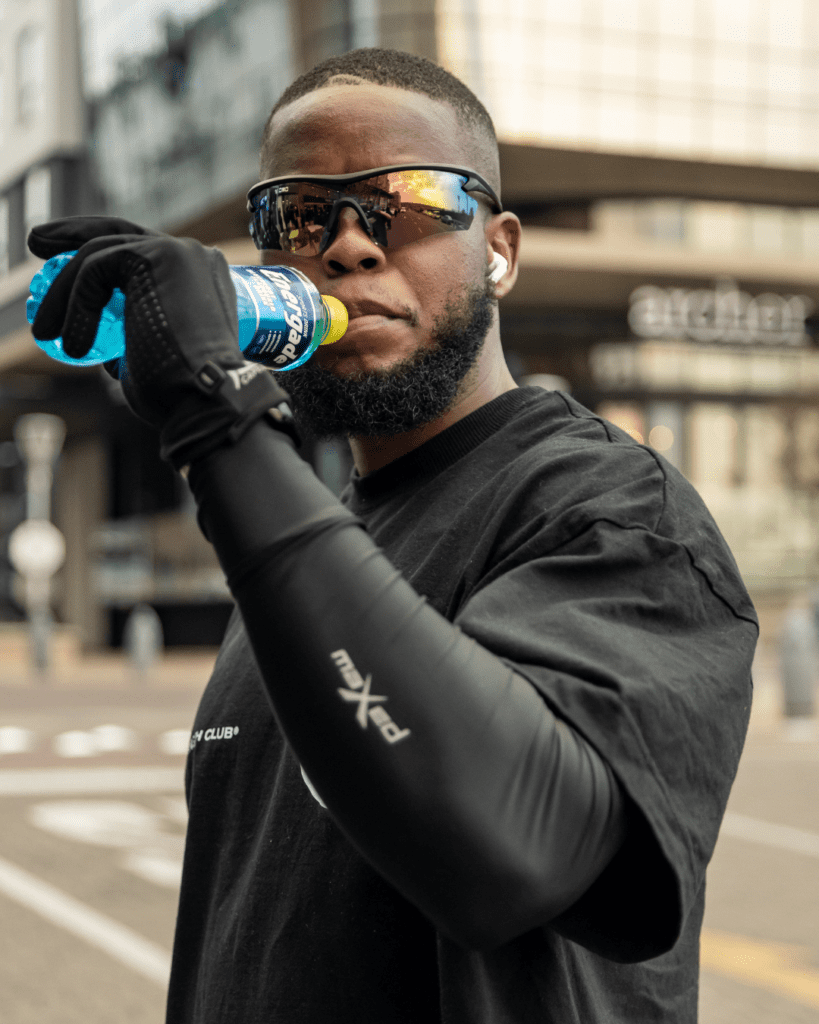
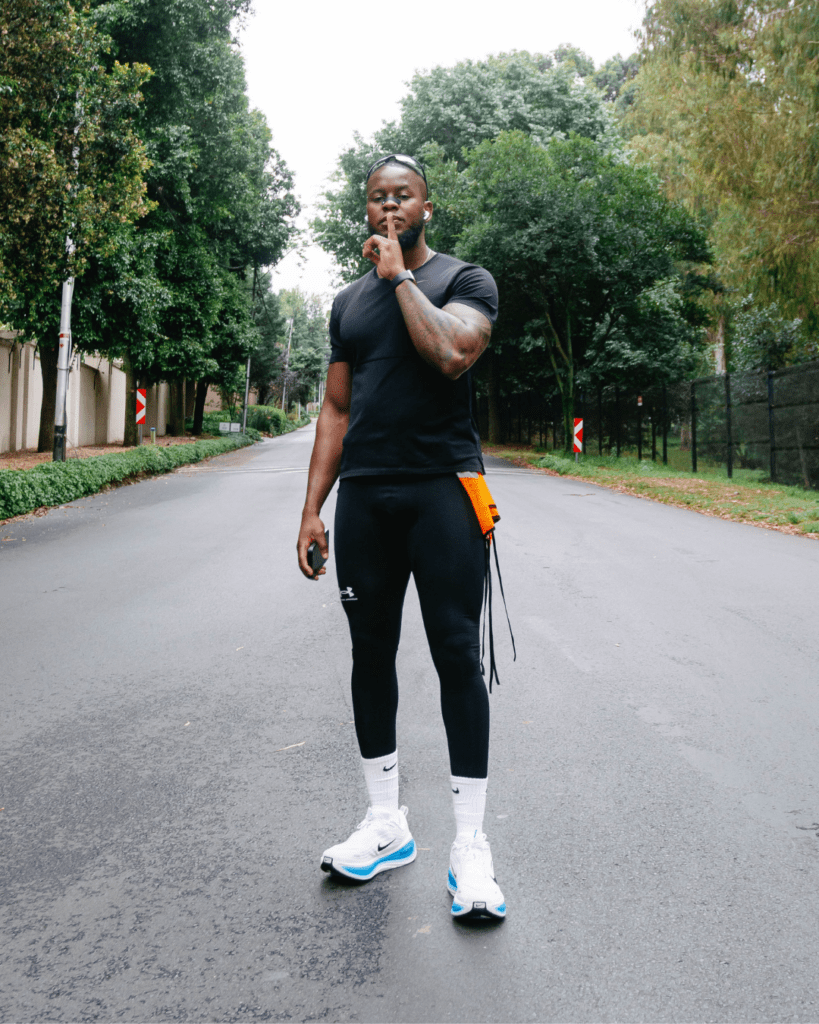
When asked to define strength, his answer is clear. “A strong man is someone who is decisive, assertive and able to lead.” Physical strength is important, but mental strength comes first. Being able to manage stress, make decisions under pressure and maintain consistency matters most.
Still a Work in Progress
Despite his discipline, Sifiso is still evolving. “I am working on being more assertive,” he says. “Even when you build habits and discipline, there is always room for growth.” His humility shows that true strength comes from acknowledging that progress is never complete. What started as a response to being told he was too small has become something much bigger. For Sifiso, strength is not just about pushing harder. It is about understanding your body, recovering properly, showing up consistently and cultivating the mental resilience to handle life’s challenges.
READ MORE: WATCH: How Gunna Stays Stage-Ready and Festival-Fit
Because real performance is not built in a single workout. It is built over time, in the daily choices, the recovery periods and the consistency of action.