Smart rings, bands and watches will all tell you how you slept last night, down to your heart-rate variability (HRV) and blood oxygen. They track how long it took you to nod off, how often you stirred, and how much of the night you spent in deep sleep and REM. It’s a remarkable amount of insight for a device that sits on your wrist or finger all night.
There’s just one big, annoying, unavoidable catch: Whatever wearable you prefer, you have to keep the thing charged. A smartwatch is the worst offender. You have to top it off sometime during the day, maybe while you shower, so it doesn’t die in the middle of the night. Smart rings and bands last longer—up to a week or two between charges—but even then, not everyone finds them comfortable to wear overnight (and comfort can be an issue with watches at night as well).
RELATED: Want Better Sleep? New Research Says Eat More Of These Foods
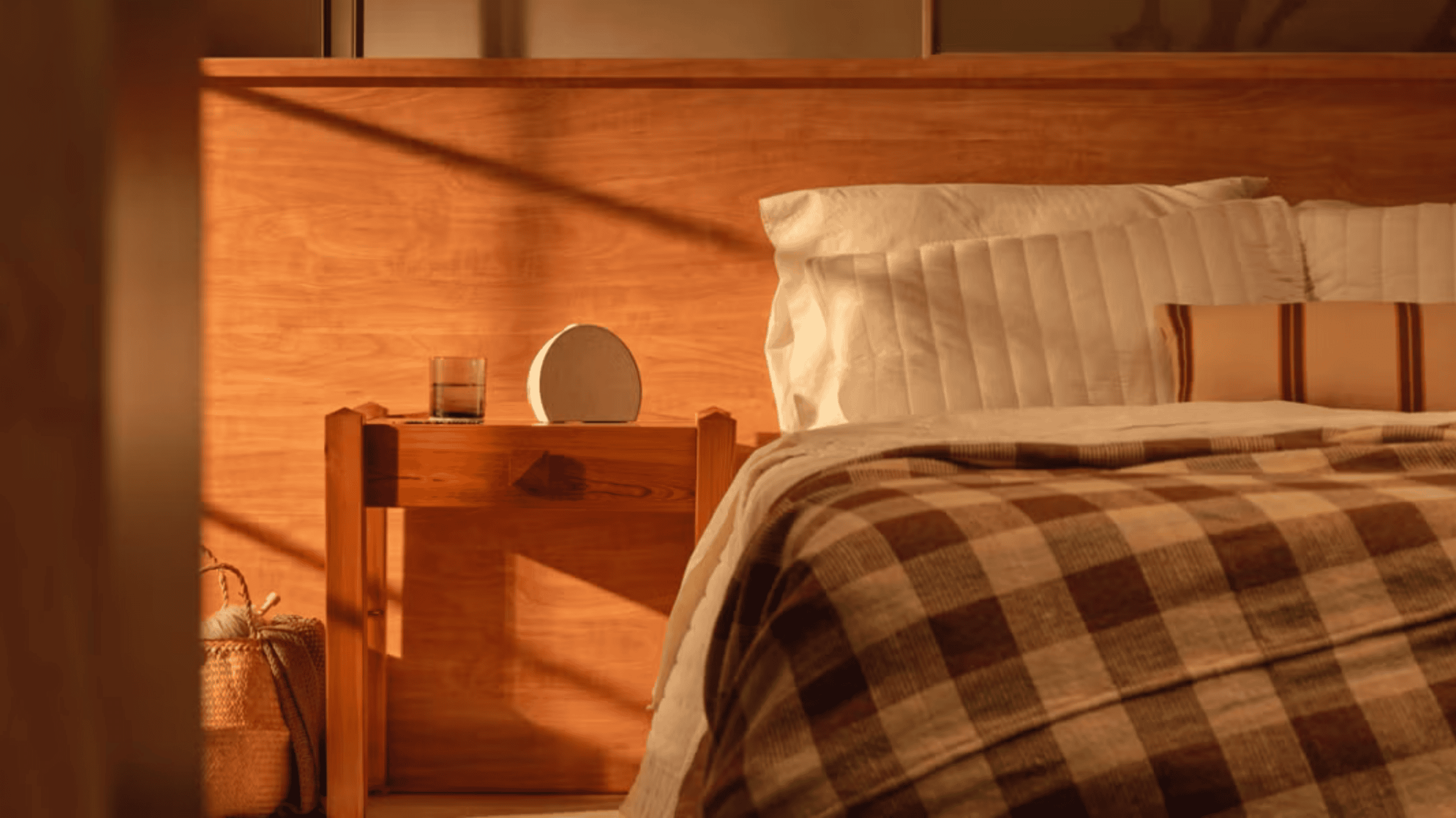
The good news is a newer group of trackers is starting to emerge with a fix. They don’t go on your body, and they don’t need charging. Instead, they sit on your nightstand or slide under your mattress, fading into the background so you barely know they’re there.
Meet the Hatch Sleep Clock
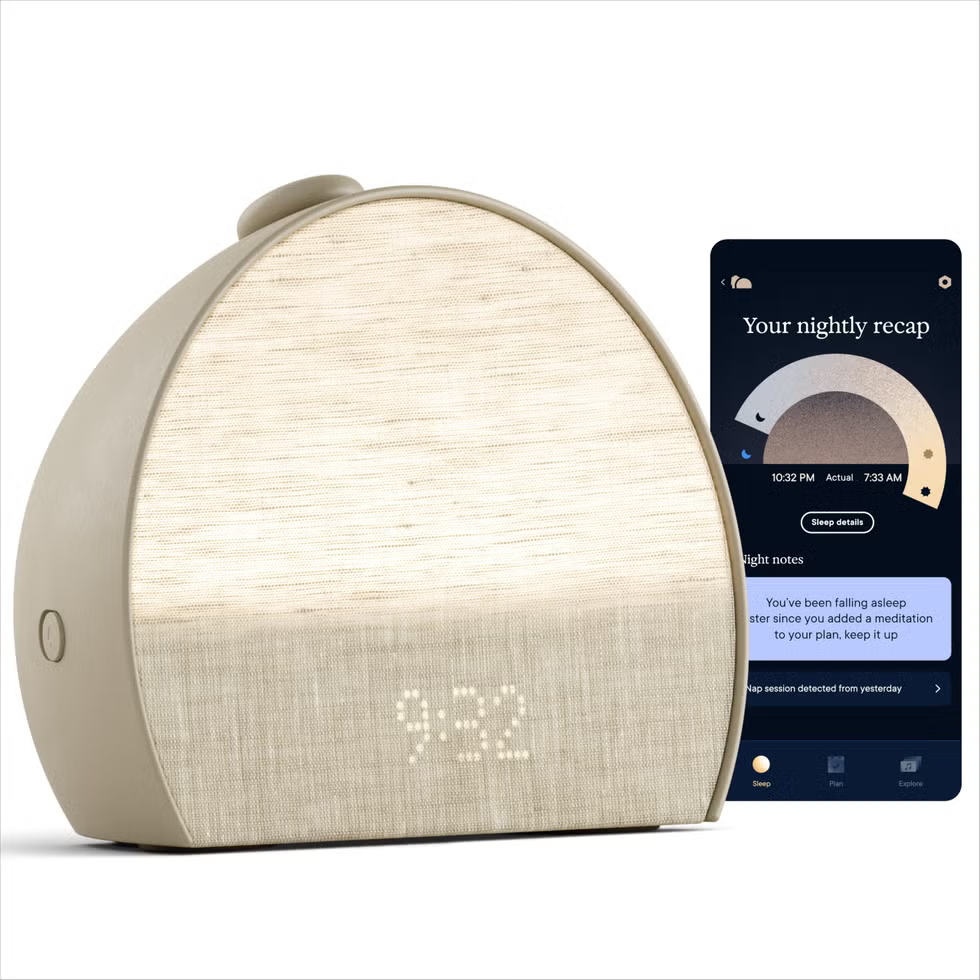
Hatch Sleep Clock Bedside Sleep Tracker
Pros
- Doubles as Hatch’s Sunrise Alarm Clock
- No need to charge or wear
- Recommendations to shift patterns for better sleep
Cons
- Doesn’t offer a sleep score, which some people do like
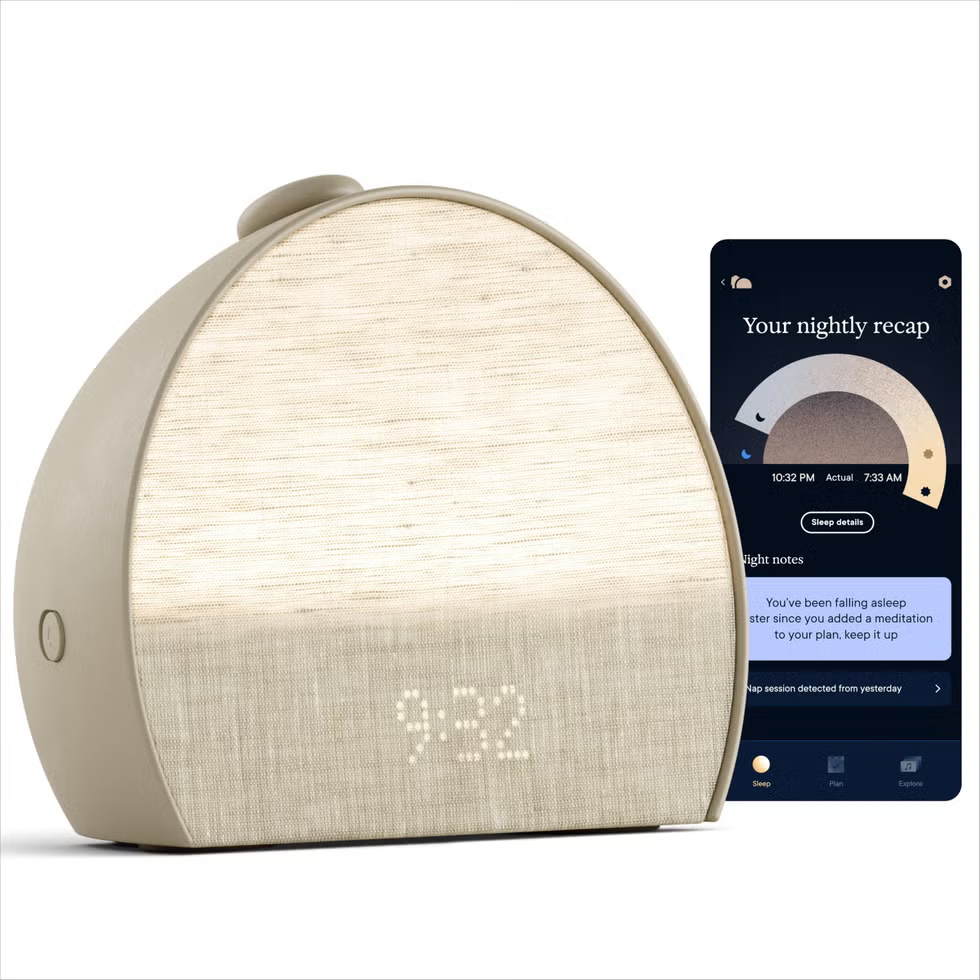
The Hatch Sleep Clock is one of the newest contactless trackers on the market. It sits on your nightstand, a few feet from you and pointed at your torso, and uses non-contact radar to pick up your presence and movement. After an initial setup through the Hatch app, you press a button on top of the clock to start tracking each night.
RELATED: Get the Sleep You Really Need—an Expert Answers Your Most Pressing Questions
Rather than giving you a nightly score, Hatch looks for patterns across days and weeks, then suggests small routine changes to improve your sleep. The brand argues that nightly scores can make people more anxious about sleep, which undercuts the whole point of tracking. Hatch’s recommendations take about a week to kick in, since the Sleep Clock needs a few nights to learn how you sleep first.
Say your bedtime keeps drifting later as the week goes on. The Sleep Clock will notice the shift and suggest ways to get back on schedule. Or say you consistently sleep better on nights when you fall asleep to one of Hatch’s wind-down sounds. It notices that pattern and recommends making calming audio, like an audiobook or short meditation, a regular part of your bedtime routine. As a bonus, the Sleep Clock doubles as a sunrise alarm, helping you wake up gradually instead of to a jarring beep.
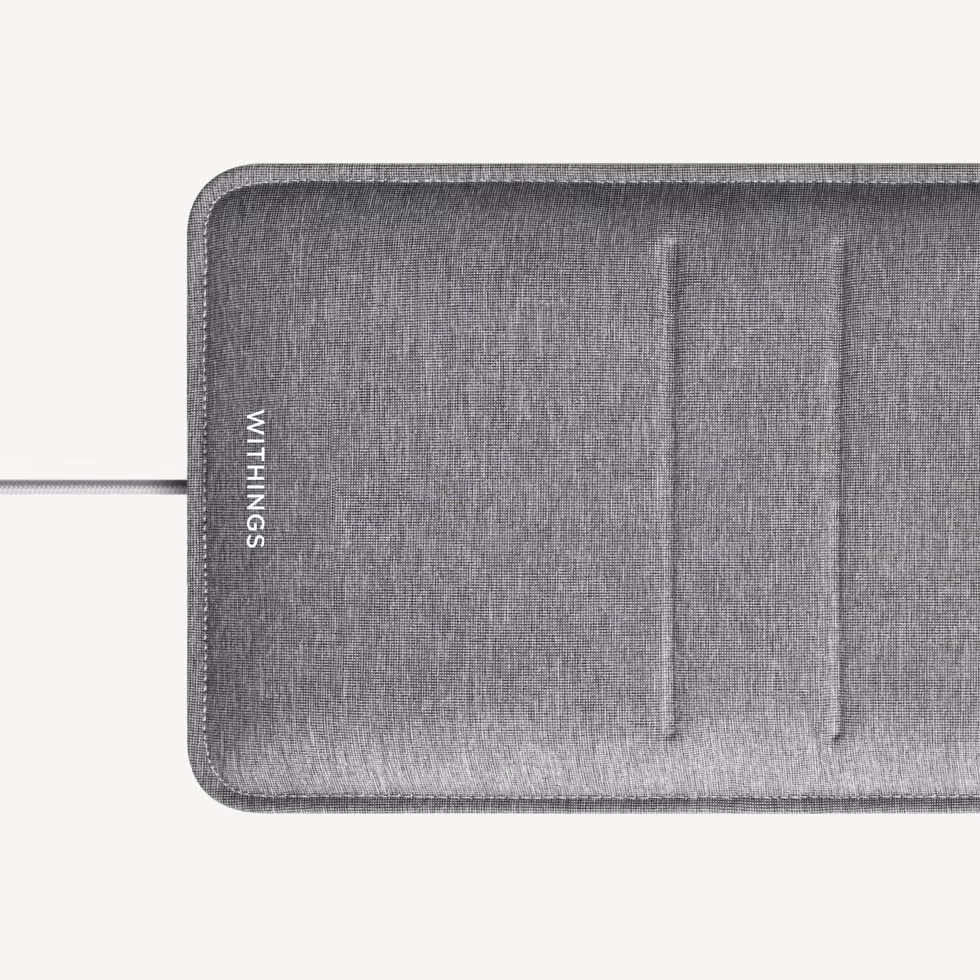
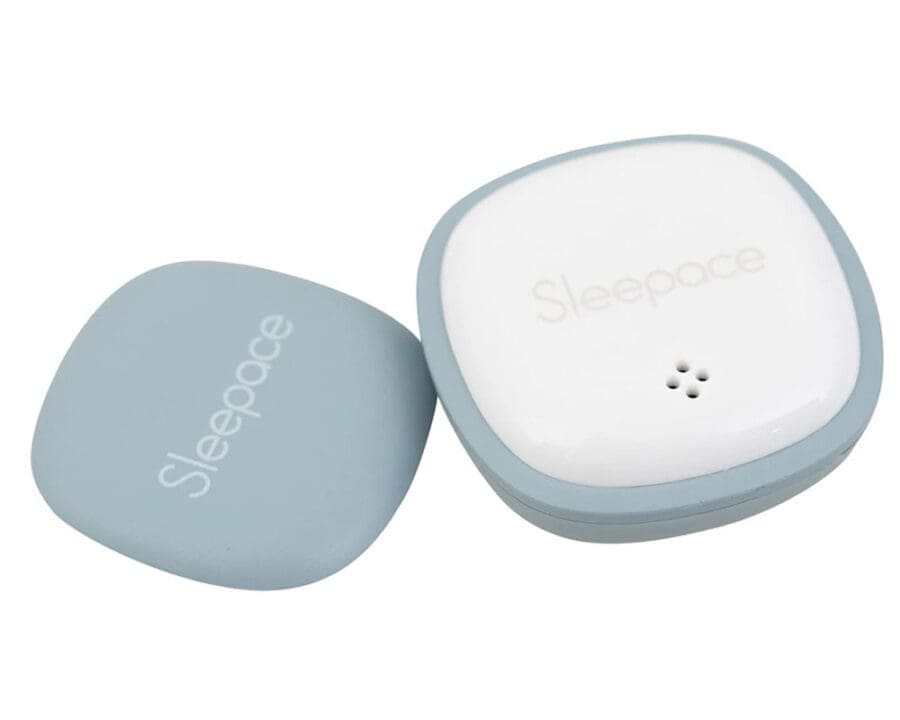
Hatch isn’t the only company betting you’d rather not babysit a wearable before bed. Withings makes a thin pad, the Sleep Tracking Pad, that slides under your mattress. It reads your heart rate, breathing and snoring through the mattress and gives you a sleep score in the morning. SleepDot offers a more affordable non-wearable option. The pebble-sized tracker clips onto the corner of your pillowcase with a magnet and uses a microphone and motion sensor to monitor your sleep phases and quality.
RELATED: Sleep Supersets: 5 Foolproof Strategies To Catch More ZZZs
Are Contactless Sleep Trackers Accurate?
Wearables capture signals from your body, but their sleep data is still an estimate, not a substitute for clinical sleep testing. The new Apple Watch Series 12 reads your pulse every five seconds and checks your HRV as often as every five minutes. Apple says it’s the most accurate heart-rate sensing the company has put in a watch. The Oura Ring and Samsung Galaxy Ring also use sensors against your skin, along with movement data, to estimate when you’re awake or asleep and identify your sleep stages.
Contactless trackers don’t sit against your skin, so they infer sleep from breathing and movement, whether they’re on your nightstand or under your mattress. That makes them useful for following broad patterns, such as when you went to bed, how long you slept and whether your schedule is becoming more consistent. Hatch says the Sleep Clock’s detection is 97 percent accurate compared with clinical sleep studies, which it says are around 99 percent accurate.
RELATED: Tried & Tested Samsung Galaxy Ring Review: Is This the Best Smart Ring for Android Users?
The short answer is that contactless trackers can be useful for most people who want to follow their sleep patterns. In our sleep tracker buying guide, wearables came out ahead because they collect signals from the body, while pads and mattress covers are better suited to tracking trends over time. Dr Chris Winter, a neurologist and sleep specialist, says sleep trackers have generally improved at measuring how long you sleep, even if they can’t reliably distinguish between sleep stages.
Is a Contactless Sleep Tracker Right for You?
Contactless trackers won’t replace a wearable for anyone chasing every metric. Beyond sleep tracking, a ring, band, or watch follows you through the day, logging workouts, steps, and recovery, while a bedside clock or mattress pad does none of that. But if sleep is all you’re after, and you’d rather not wear or charge anything, the Hatch Sleep Clock, Withings Sleep Tracking Pad, and Eight Sleep Pod 6 can track your sleep night after night with nothing to wear, charge, or think about.
Contactless Sleep Trackers
This article by Brandon Russell was originally published on Men’s Health US – additional reporting and products added by the Men’s Health SA team.