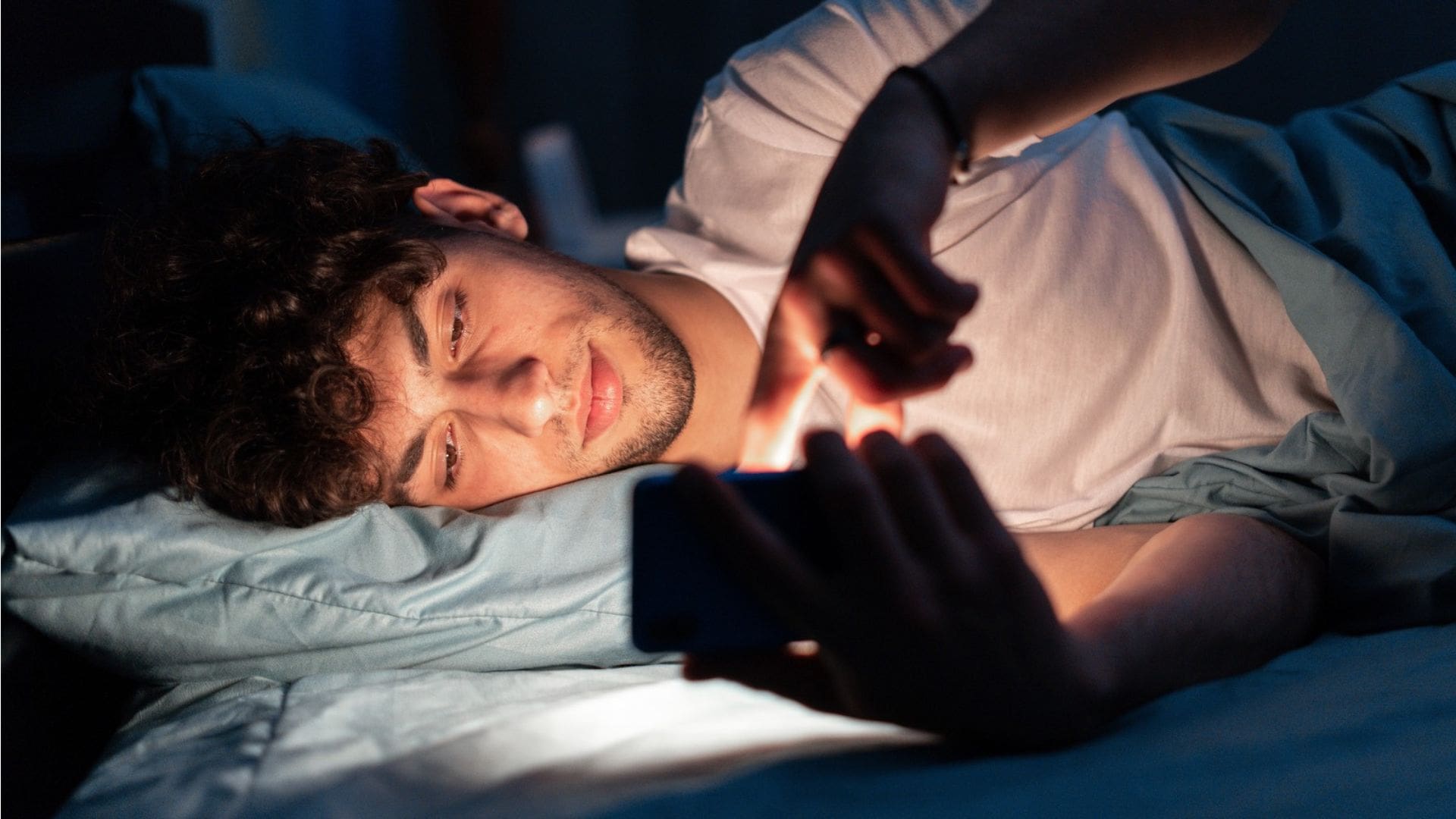
Sleep has become the latest frontier in self improvement. First came fitness trackers, cold plunges and protein goals. Now social media is filled with people trying to squeeze every possible benefit out of a good night’s rest through a trend known as sleepmaxxing.
The hashtag has exploded on TikTok, with creators sharing everything from elaborate bedtime routines to expensive sleep gadgets. While many of these habits are rooted in solid sleep science, experts say there is a fine line between building healthier routines and becoming so focused on perfect sleep that it starts working against you.
What Is Sleepmaxxing?
Sleepmaxxing is the practice of deliberately optimising your sleep using a combination of lifestyle habits, environmental changes and, in some cases, sleep products. The goal is not simply to spend more time in bed but to improve both the quantity and quality of sleep. Unlike a single sleep hack, sleepmaxxing is more of a mindset. People who embrace the trend often build structured evening routines designed to help their bodies transition into sleep more easily.
Common sleepmaxxing habits include:
- Going to bed and waking up at the same time every day
- Limiting screen time before bed
- Reducing exposure to bright lights in the evening
- Avoiding caffeine late in the day
- Keeping the bedroom cool, dark and quiet
- Using eye masks, ear plugs or white noise machines
- Practising relaxation techniques such as breathing exercises or meditation
READ MORE: Want Better Sleep? Start With These Simple Habits
Some people also experiment with supplements like melatonin or magnesium, although these are not necessary for healthy sleep and should be used carefully.
Why Sleep Matters More Than Ever
Sleep is no longer viewed as wasted time. Research consistently links good quality sleep to better physical performance, sharper thinking, improved mood and stronger immune function. Adults generally need between seven and nine hours of sleep each night. Consistently falling short can affect everything from workout recovery and testosterone production to heart health and appetite regulation. For men who train regularly, quality sleep is particularly important because it is during deep sleep that the body carries out much of its muscle repair and recovery.
Which Sleepmaxxing Habits Are Actually Worth Trying?
Despite the hype, many of the core principles behind sleepmaxxing are supported by science. Maintaining a regular sleep schedule helps reinforce your body’s internal clock, making it easier to fall asleep and wake up naturally. Limiting bright light from phones and tablets before bed may also help preserve melatonin production, the hormone that signals it is time to sleep.
Creating a cooler, darker bedroom can improve sleep quality, while avoiding caffeine later in the day reduces the likelihood of lying awake when you should be sleeping. These habits form the basis of what sleep experts call good sleep hygiene, and they have long been recommended regardless of what social media happens to call them.
When Sleepmaxxing Goes Too Far
The biggest concern is not the healthy habits themselves but the pressure to achieve “perfect” sleep every night. Trying to optimise every aspect of your bedtime routine can create anxiety around sleep. Some people become so worried about hitting the ideal sleep score or following every step of their routine that they actually make it harder to fall asleep.
READ MORE: How Using Your Phone Before Bed Is Ruining Your Sleep Quality
Researchers have even identified a phenomenon called orthosomnia, where people become overly fixated on data from sleep trackers instead of listening to how rested they actually feel. If missing one night of perfect sleep leaves you stressed or frustrated, the routine may be doing more harm than good.
Do You Really Need Sleep Gadgets?
The sleep industry is booming, with products ranging from smart mattresses to wearable sleep trackers and blackout curtains. While some of these tools may improve comfort or help identify patterns, they are not magic solutions. For most people, simple lifestyle changes deliver the biggest improvements.
Before investing in expensive technology, focus on the basics:
- Keep a consistent sleep schedule
- Exercise regularly
- Get natural sunlight during the day
- Avoid heavy meals and alcohol close to bedtime
- Make your bedroom as comfortable as possible
These habits cost little and are backed by far more evidence than many viral TikTok recommendations.
Should You Try Sleepmaxxing?
Sleepmaxxing may sound like another fleeting wellness buzzword, but the underlying message is one worth embracing. Prioritising sleep can improve your health, performance and recovery.
READ MORE: How to Boost Testosterone Naturally With Diet, Training and Sleep
Just remember that better sleep does not require a complicated routine or a bedroom full of gadgets. The healthiest approach is to build simple, sustainable habits that work for your lifestyle rather than chasing perfection every night. A good night’s sleep is a goal worth pursuing. Obsessing over it is not.