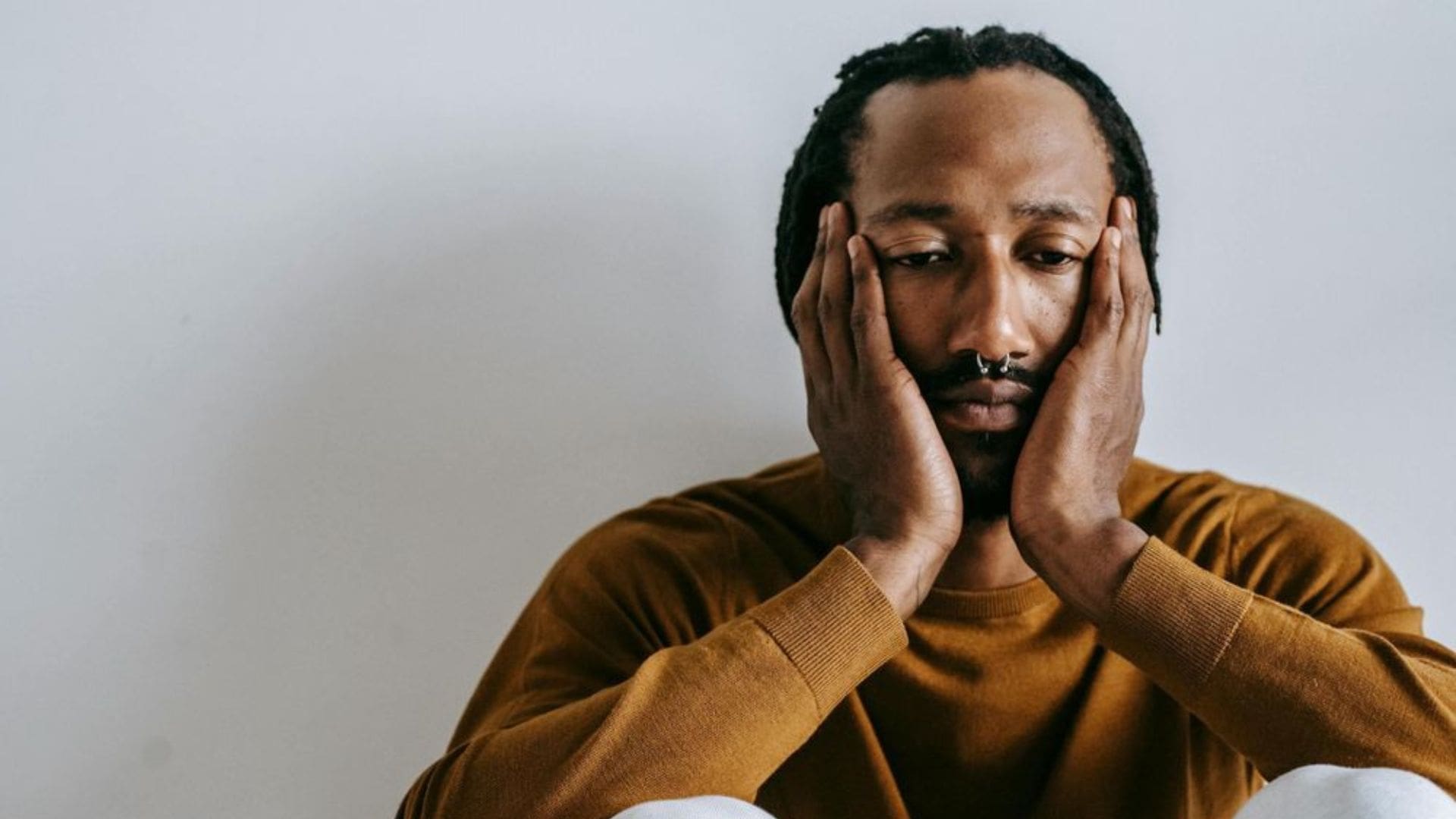
South Africa’s men are facing a mental health crisis, but many are still suffering in silence. While conversations around mental wellbeing have become more common, the stigma surrounding vulnerability remains deeply rooted, leaving many men feeling they have to carry life’s pressures alone.
That is exactly what The Hustle IRL podcast, hosted by entrepreneurs Darren Morris and Samm Marshall, aims to challenge. Through candid conversations about business, fatherhood, relationships, identity and modern masculinity, the pair hope to create space for men to speak honestly long before they reach breaking point.
In an interview with Men’s Health, Morris and Marshall share why they believe vulnerability is a strength, what they have learned from speaking to men across the country and why simply telling men to “open up” is not enough.
Men Are Carrying More Than They Let On
For Morris, one of the biggest problems is that discussions about men often overlook what they themselves are experiencing. “When men are spoken about publicly, it often lands as one big slogan that says men are the problem,” he says. “There are serious conversations that need to be had about masculinity, behaviour and accountability. But there also needs to be space to ask what men are carrying, why they are not speaking and what happens when they have nowhere honest to put their pain.”
READ MORE: 5 Subtle Anxiety Symptoms Men Are Normalising, According to Psychologists
He says the statistics around male suicide, depression and isolation paint a worrying picture. “Men were not okay. They were just very good at pretending.” According to Morris, many men simply do not have environments where honesty feels safe. “In a guys’ WhatsApp group, you can send memes, talk nonsense and pretend life is great. But the moment someone says, ‘I am struggling,’ the responses can quickly become ‘stop being soft’, ‘don’t be a wimp’ or ‘be a man’.”
The Pressure To Provide Is Taking Its Toll
Morris believes one of the biggest unspoken burdens facing South African men is the pressure to fulfil the traditional role of provider.
“For generations, men have been told that their value lies in being protectors and providers,” he says. In a country with persistently high unemployment, many men feel they are failing before they’ve even begun. Those who are working often face a different challenge, sacrificing time with their families in an effort to make ends meet.
“So either way, many men feel like they are losing.” He adds that insecurities around ageing, confidence and self-worth are often dismissed or turned into jokes, making it even harder for men to speak honestly.
Why Saying “I’m Not Okay” Is Still Difficult
Many boys grow up hearing phrases such as “be a man”, “stop crying” and “toughen up”. Morris believes these messages have long-term consequences. “Those lines become programming,” he says. “Boys learn very quickly that sadness gets mocked, fear gets punished and vulnerability makes you a target.”
As adults, many men become experts at performing strength, even among their closest friends. “They can sit next to their best friend at a braai, laugh for hours, talk about sport, work and money, but still never say what is actually going on inside them.” “The scariest part is that many men are surrounded by people and still feel completely alone.”
Stress Doesn’t Always Look Like Stress
One recurring pattern Morris has noticed through conversations on The Hustle IRL is that emotional struggles often remain hidden until they become overwhelming. “A man can be doing well on the outside, working hard, showing up, providing, smiling and carrying on. Then stress starts building. Burnout creeps in.”
READ MORE: Why Men Need to Train for Balance in the Age of Burnout
Without an outlet, he says, those pressures can become dangerous. The podcast has also shown him what happens when men finally feel safe enough to speak honestly. At a recent talk hosted with the University of Johannesburg, Morris watched lifelong friends open up to one another for the first time. “They knew the jokes. They knew the banter. They knew the surface-level guy stuff. But they did not know the real story.”
Friendship Needs More Than Banter
Marshall believes genuine male friendship is evolving, but there is still work to do. “Real friendship isn’t just about spending time together,” he says. “It’s about asking your friend, ‘How are you really doing?’ Sometimes that means asking the question twice because the first answer is usually, ‘I’m fine.'”
READ MORE: Looking at Art Is Proven to Lower Stress – Here’s How (And Why) It Works
He credits universities, NGOs and community organisations for creating more opportunities for these conversations, but says awareness alone is not enough. “It’s one thing to tell someone to open up. It’s another to create an environment where they actually feel safe enough to do it.”
Vulnerability Creates Permission
Marshall is quick to point out that neither he nor Morris are mental health professionals. Instead, he believes the value of their platform comes from sharing lived experiences as entrepreneurs, fathers and ordinary South African men.
“We’re simply men talking honestly to other men.” One lesson has stood out above everything else. “Vulnerability is contagious. When one person is willing to speak honestly about their own life, the wins, the failures and the fears, it gives someone else permission to do the same.”
He also stresses that podcasts and conversations should never replace professional support when it is needed. “If our conversations help remove some of the stigma around asking for that help, then we’ve done something worthwhile.”
Redefining What Strength Looks Like
Marshall believes many men inherited their understanding of masculinity simply by watching the men around them. Today, he sees strength differently.

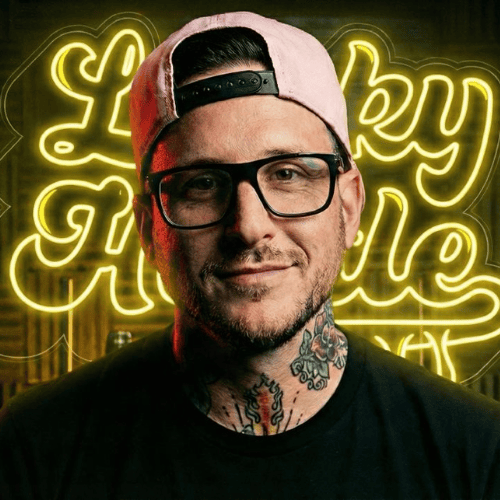
“I still think there’s value in being dependable and useful to the people around you. But I also think strength is about knowing when to be vulnerable and when to simply get on with the work in front of you.” Ultimately, he says, real strength is found in continually working on yourself, your relationships and your purpose.
The Conversation Can’t End With Awareness
For Marshall, improving men’s mental health will require more than annual awareness campaigns. He believes conversations need to happen across generations, from young boys to fathers and older men, while recognising that every family and community experiences masculinity differently.
READ MORE: “I Didn’t Think I’d Make It”—Men Who Survived by Speaking Out
“Real change is usually slower and more layered than the headlines suggest,” he says. “That’s why I think this conversation requires patience, nuance and a willingness to keep showing up.”