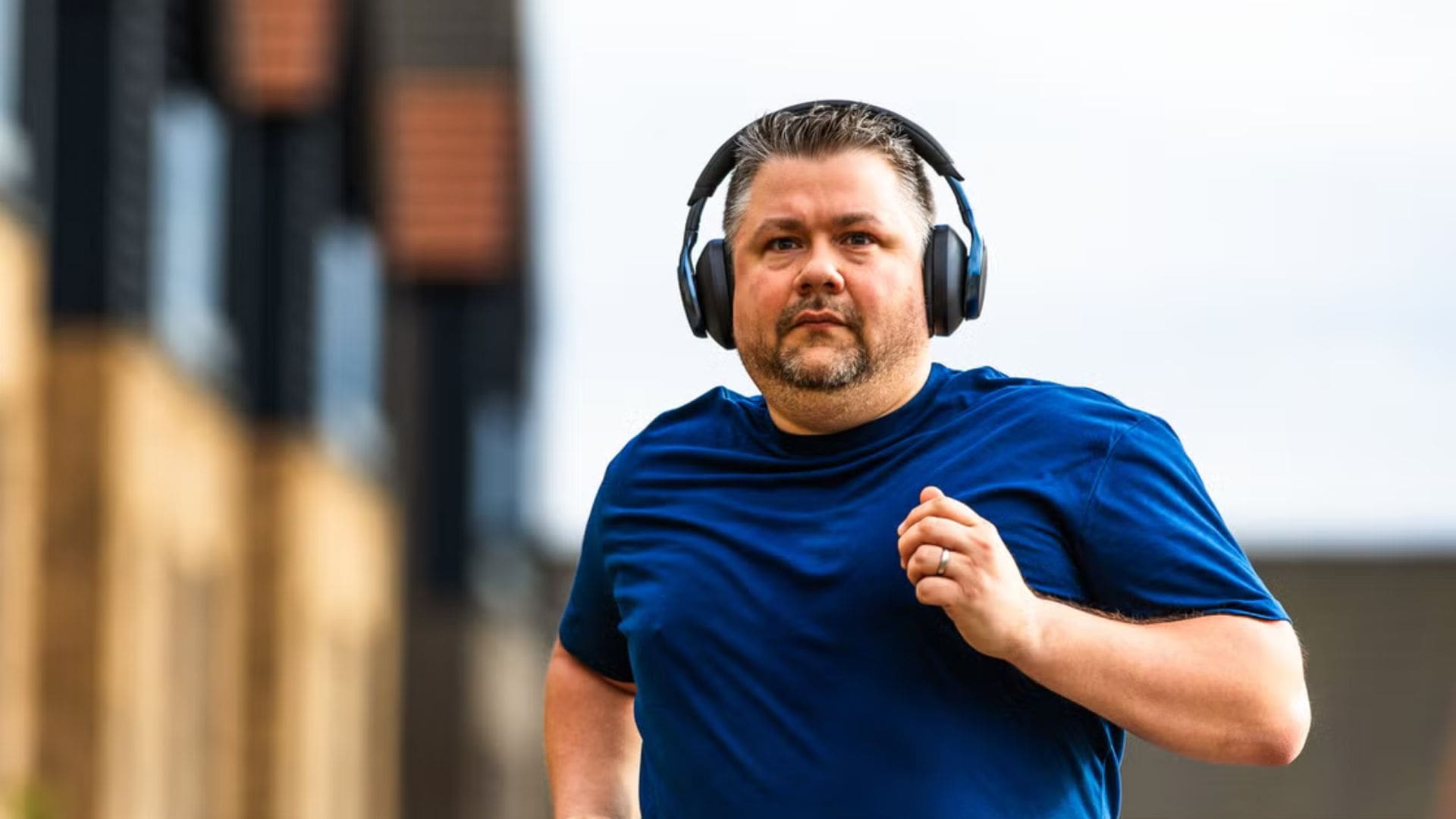
You’ve probably been told the key to losing weight is simple: do more cardio. The result? You feel exhausted, hungry, stressed and still don’t see much change in the mirror. According to fat-loss coach Paúl Lucín, that approach often backfires – especially for men over 35 juggling desk jobs, high stress levels and limited time. ‘Cardio isn’t bad,’ says Lucín. ‘But for a lot of men, it’s not the right tool for the lifestyle they actually have.’
Instead of helping people build a leaner physique, Lucín says endless cardio sessions can leave them feeling depleted, inflamed and frustrated. ‘You’re not 20 years old anymore with unlimited time and recovery capacity,’ he says. ‘You’re dealing with work stress, responsibilities and a body that no longer responds well to guesswork.’ According to Lucín, the body usually starts sending warning signs long before people realise their routine isn’t working.
Physically, excessive cardio without strength training can lead to muscle loss, increased hunger and lower energy levels. Recovery suffers, sleep worsens and persistent aches begin to appear – especially in the back, knees and neck. Mentally, he says many men end up trapped in a cycle of frustration.
‘They’re successful professionally, but physically they feel disconnected from themselves,’ he says. ‘They avoid photos, wear baggier clothes and stop feeling comfortable in their own body.’
READ MORE: Test Your Cardio and Strength Endurance with This Unforgiving ‘Run It Back’ Carry Challenge
The 5 Biggest Cardio Mistakes Holding You Back
1. You Lose Muscle – and End Up Looking Softer
Lucín says long cardio sessions without resistance training often lead to muscle loss alongside fat loss. ‘Less muscle means a slower metabolism,’ he explains. ‘You may weigh less, but you don’t necessarily look or feel better.’ Instead, he recommends prioritising strength training three times per week using compound lifts like squats, presses, rows and deadlifts.
‘Muscle is what gives your body shape and definition.’
2. It Makes You Hungrier
One of the biggest problems with excessive cardio, according to Lucín, is compensatory eating. ‘After 45 to 60 minutes of cardio, most people come home starving and end up eating back everything they burned – often more.’ Rather than trying to ‘earn’ food through exercise, he recommends structuring meals around protein, vegetables and consistent eating habits while increasing low-intensity daily movement like walking. ‘That gives you much more control over appetite and energy.’
3. It’s Too Difficult to Sustain
Lucín believes most people fail because the plan simply doesn’t fit real life. ‘Four or five long cardio sessions every week don’t work for most people with demanding jobs and families,’ he says. ‘The plan you can’t maintain is the plan that fails.’
Instead, he recommends:
- Three weekly strength sessions lasting 45-55 minutes
- 8,000-10,000 steps per day
- Short walks after meals and after work
‘That’s much easier to stick to consistently, even when life gets busy.’
4. It Increases Stress and Disrupts Sleep
According to Lucín, intense cardio layered on top of work stress and poor recovery can elevate cortisol levels even further. The result? Poor sleep, bloating, low energy and increased cravings. ‘People end up feeling inflamed, tired and constantly run down.’ To improve recovery, he recommends strength training, limiting screen time before bed and prioritising seven to eight hours of sleep per night. ‘Good sleep will improve your hormone health more than most supplements ever will.’
5. It Reinforces an ‘All or Nothing’ Mindset
Lucín also believes cardio can encourage perfectionist thinking around fitness. ‘People think if they don’t train for an hour, it doesn’t count,’ he says. ‘Then they miss a session, feel guilty and spiral.’ Instead, he recommends focusing on consistency rather than perfection. ‘The 80% you can repeat always beats the 100% you never sustain.’
The Simple Fat-Loss Plan He Recommends Instead
Lucín recently worked with a 40-year-old IT worker who had been running four times a week without losing weight. ‘He was constantly hungry, tired and frustrated.’ Rather than adding more cardio, Lucín simplified the approach:
- Three weekly strength sessions
- Walks after meals and after work
- Meals built around protein, vegetables and complex carbs
- Better sleep habits, including avoiding screens before bed
After 91 days, Lucín says the client had lost 9kg, reduced his waist size and significantly improved his energy levels – all without extreme dieting or spending hours in the gym.
‘He didn’t stop socialising, he didn’t live on boiled fish and salad and he didn’t need to train endlessly,’ says Lucín. ‘He just stopped relying on cardio alone.’
READ MORE: Should You Do Cardio Before or After Lifting Weights?
A Simple 14-Day Reset Plan
Lucín recommends focusing on sustainable habits rather than quick fixes.
Strength Train 3 Times per Week
Focus on compound exercises and gradual progression.
Workout A
- Goblet squat
- Dumbbell bench press
- Dumbbell row
- Plank
Workout B
- Romanian deadlift
- Overhead press
- Lat pulldown
- Pallof press
Workout C
- Lunges
- Incline dumbbell press
- Cable row
- Ab wheel rollout
Perform 3-4 sets of 8-12 reps with controlled technique.
Aim for 8,000–10,000 Steps Daily
Especially after meals and after work.
Build Meals Around Protein and Vegetables
Lucín recommends structuring meals roughly as:
- Half vegetables
- Quarter protein
- Quarter complex carbohydrates like rice or potatoes
- Moderate healthy fats like nuts or avocado
Prioritise Sleep
- Avoid screens for one hour before bed
- Aim for seven to eight hours nightly
- If training late, eat a balanced dinner with protein, vegetables and carbohydrates to support recovery
What You Might Notice Within 2 Weeks
According to Lucín, most people quickly notice:
- Less bloating around the stomach
- More stable energy levels
- Better fitness during everyday activities
- Clothes fitting more comfortably
‘You don’t need more cardio,’ he says. ‘You need a strategy that actually fits your life.’
READ MORE: Swimming vs Running: Which Cardio Workout Is Best For You
The Case for Cardio (Beyond Fat Loss)
All this being said, it’s important to note that cardio still offers major health benefits beyond fat loss. Regular cardiovascular exercise can improve heart health, endurance, blood pressure, insulin sensitivity and overall fitness, while also supporting mood and mental wellbeing. The issue, according to Lucín, isn’t cardio itself – it’s relying on excessive amounts of it as the primary strategy for fat loss while neglecting strength training, recovery and sustainable habits.
This article by Roberto Cabezas was originally published on Men’s Health UK