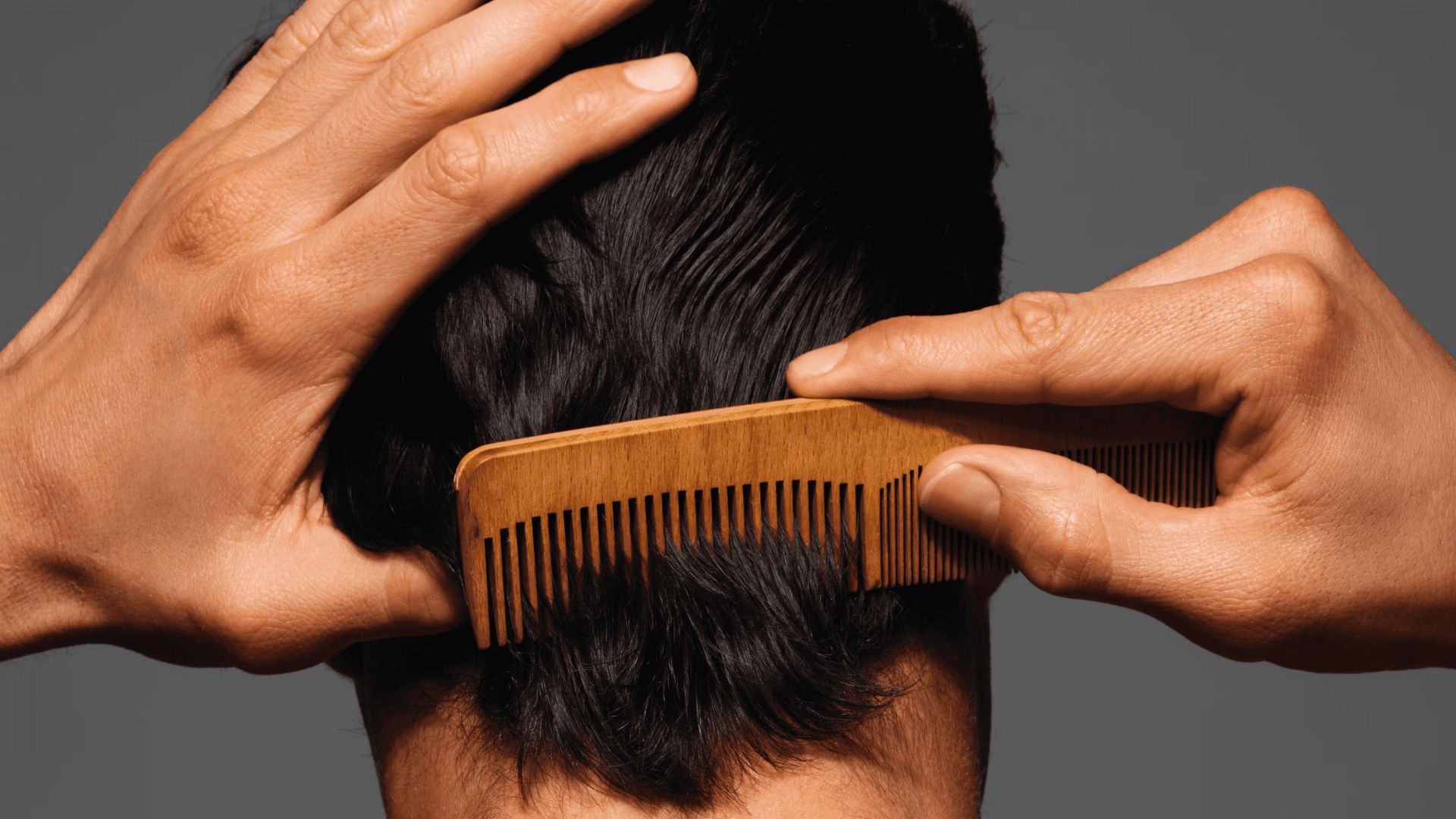
If you’re on your fitness journey, you may have heard the word creatine getting tossed around. There’s a good reason for that: Creatine has been scientifically proven to help build muscle (unlike many other sketchy supplements of the muscle-building kind). It’ll just cost you your hair, or so goes one of the gym’s biggest rumours.
An alleged side effect of creatine is that the supplement causes you to go bald. This rumor mostly stems from a study published in 2009 that first linked creatine to increased levels of the hormone dihydrotestosterone. Dihydrotestosterone is a hormone linked to hair loss. Consequently, the rumour has been circulating around the gym space for years.
But here’s the thing: creatine is one of the most studied supplements in the world. Jose Antonio, PhD, exercise physiologist at Nova Southeastern University, says there is more than 500 scientific studies that have looked at creatine. “No other food or dietary supplement has as much supportive data.”
Out of all of that data, nothing has pointed to hair loss being a side effect of taking creatine. Here’s what you need to know.
Does Creatine Cause Hair Loss?
Let’s settle this debate once and for all: No, creatine does not cause hair loss.
The 2009 study in question investigated a group of college-aged rugby players who took creatine every day for three weeks. The study showed a “statistically significant” increase in the participants’ levels of dihydrotestosterone (DHT), the testosterone byproduct that, in high concentrations, can shrink hair follicles. Additionally, high DHT concentrations can shorten the hair growth cycle, and cause hair to thin.
However, according to Antonio—who, along with an internationally renowned team of researchers, reviewed the most common creatine misconceptions for the Journal of the International Society of Sports Nutrition—none of the rugby players in the study actually experienced hair loss as a result of taking the supplement.
READ MORE: Should I Try Creatine? This Is What You Need To Know
What’s more, the people in the study who received the creatine started out with baseline DHT levels 23 percent lower than the placebo group. Their measured increase in DHT “remained well within normal clinical limits.” In other words, their DHT levels started out low and they stayed low. A ‘statistically significant’ result is not the same thing as physiologically meaningful, Antonio explains.
Over the years, several clinical trials have examined the effects of creatine supplements on testosterone. So far, none have replicated the findings of the South African study. Still, once the alarming results of the 2009 study made its way to social media, the creatine-causes-hair-loss rumour took off.
Most recently, a 2025 clinical trial tracked the hair loss of 38 men taking either creatine or a placebo and who regularly strength train. After 12 weeks, there were no differences in hair loss between the two groups. There were also no differences in DHT levels. In response to the findings, the American Hair Loss Association cautioned that the clinical trial may not show a full picture. This is due to their small sample size, lack of genetic screening for hair loss predisposition, and the researchers’ reliance “on outdated hair assessment tools such as the Trichogram.” They also note that several authors had close ties to the supplement industry.
The research remains ongoing, but Antonio is clear that “the current body of evidence does not indicate that creatine causes hair loss or baldness.”
What is Creatine, Anyway?
Creatine is simply an amino acid derivative. It helps create and store the molecule phosphocreatine (PCR), which the muscles use to generate energy for low-duration, high-intensity exercise.
Antonio cites studies showing that creatine may help improve memory and brain function and benefit patients with neuromuscular diseases, type 2 diabetes, Parkinson’s disease, Alzheimer’s disease, and traumatic brain injury. The supplement may even help limit the amount of damage from a concussion. Another benefit research has found is creatine’s potential to work synergistically with exercise to slow, and perhaps even reverse, age-related muscle loss (sarcopenia).
Does Creatine Have Any Other Side Effects?
Creating is designated as GRAS (Generally Recognised as Safe) by the FDA. If used correctly, creatine doesn’t have many side effects other than some weight gain. Usually, this is in the form of lean muscle mass.
There have been a small number of anecdotal reports of kidney damage, blood sugar concerns, heart problems, muscle cramps and pulls, dehydration, and diarrhoea. But, there’s been no evidence that those symptoms were caused by creatine itself, and not something else.
READ MORE: 10 Things Every Guy Should Know About Protein Powder
Older studies have suggested that caffeine may make creatine less effective, though more research is needed. Leslie Bonci, RD, former sports dietitian for the Kansas City Chiefs, cautions that creatine may not work for everyone. Since creatine is a naturally occurring organic compound in most meats and fish, Bonci says creatine supplements may be more beneficial for vegetarians. This is because vegetarians “don’t already consume creatine as part of their daily diets.”
Any guy thinking about adding creatine to his diet should visit a reputable health-food or vitamin-and-nutrition store, says MH dermatology advisor Adnan Nasir, MD. The supplement is available as a powder, tablet, energy bar, or drink mix.
Men with underlying kidney disease should consult a doctor before coming home with a barrel of powder. And stick to the recommended amount: typically 3 to 5 grams a day. Guzzling 20 grams at a time isn’t going to turn you overnight into the Hulk. Creatine is water soluble, which means if you take too much, you’ll literally be flushing your money down the toilet. At least you can be pretty sure that creatine won’t cause you to find your hair around the shower drain.
This article by David McGlynn and Jocelyn Solis-Moreira was originally published on Men’s Health US