
When it comes to nutrition, most trends on social media are a case of bold promises and barely any science. But ‘Fibremaxxing’ – i.e., an approach to nutrition where you prioritise hitting or exceeding your daily fibre targets – is a promising outlier.
The reality is that most of us aren’t hitting our recommended amount of fibre intake. For reference, adult men should be aiming for around 30g of the macro. Some studies have shown that 95% of us are failing to crack these digits.
And that’s a big problem. When you’re not eating enough fibre, you’re putting your overall health at risk. It’s not your digestive system that suffers, but your gut health and heart health, too. A lack of fibre also puts you in the firing line for diseases such as colorectal cancer, type 2 diabetes and heart disease.
Fortunately, the fix is simple: it’s time to bulk up your meals with a dose of fibre. To make it easy, we’ve compiled a list of 7 versatile ingredients you can weave into breakfast, lunch, dinner and every snack in between to make sure you never fall short again.
1. Sweet Potatoes
The classic spud’s sweet variant is a versatile ingredient that can be roasted, microwaved or mashed for a quick macro payload any day of the week. While you’ve probably got an abundance of potato peelers in your drawers, keep them stashed – sweet potatoes are best with their outer layer intact.
READ MORE: Are You Eating Enough Fibre? Here’s How to Tell
A 200g serving of this sweet spud contains almost 7g of fibre, and will also net you 4g of protein. But there’s more to this tuber than meets the eye. Sweet potatoes are rich in beta carotene (double of the average adult’s daily needs).
Sweet potatoes are incredibly rich in beta carotene, the antioxidant responsible for the vegetable’s bright orange color.
In fact, one cup (200 g) of baked orange sweet potato with skin provides more than double the amount of beta carotene that the average adult needs per day. This chemical is converted to vitamin A in your body and has been found to help support healthy eyesight.
2. Lentils
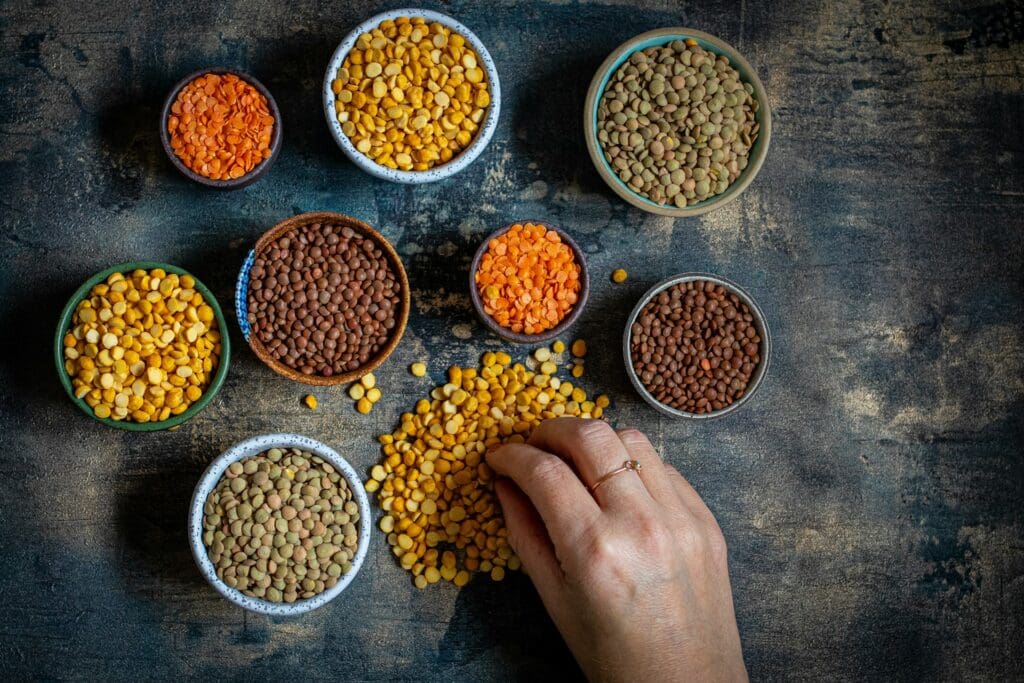
They’re a regular feature in stews and curries (think: a moreish lentil dahl), and regularly feasting on these pint-sized legumes will help you easily hit your daily fibre goals. A 100g serving of dry lentils contains roughly 8g of this vital macro.
Various studies suggest that regularly wolfing down lentils can reduce your risk of chronic diseases such as obesity, heart disease, diabetes and cancer.
3. Oats
Your morning bowl of steaming oats might be one of the best health hacks in your armoury. Your average cup of cooked oats contains around 4g of fibre. Studies have found that the beta-glucan fibre in oats can help reduce LDL (that’s the bad kind) cholesterol levels.
READ MORE: 3 High-Protein, High-Fibre Meals to Build Muscle and Stay Full
4. Chia Seeds
You’d be forgiven for thinking chia seeds were just an excuse for breakfast spots to charge outrageous prices for bog-standard acai bowls. Just a single tablespoon of them contains 4.1g of fibre.
Research has found that chia seeds may aid weight loss as fibre takes longer to digest than other nutrients, helping you feel satiated for longer.
5. Apples
Scientific evidence supports the long-held claim that “an apple a day keeps the doctor away”. It’s a lunchbox staple with enduring health benefits with each fruit containing roughly 4g of fibre. They’re also packed with vitamin C which has been shown to boost immunity, promote skin and eye health, enhance iron absorption and protect against cellular damage.
6. Avocado
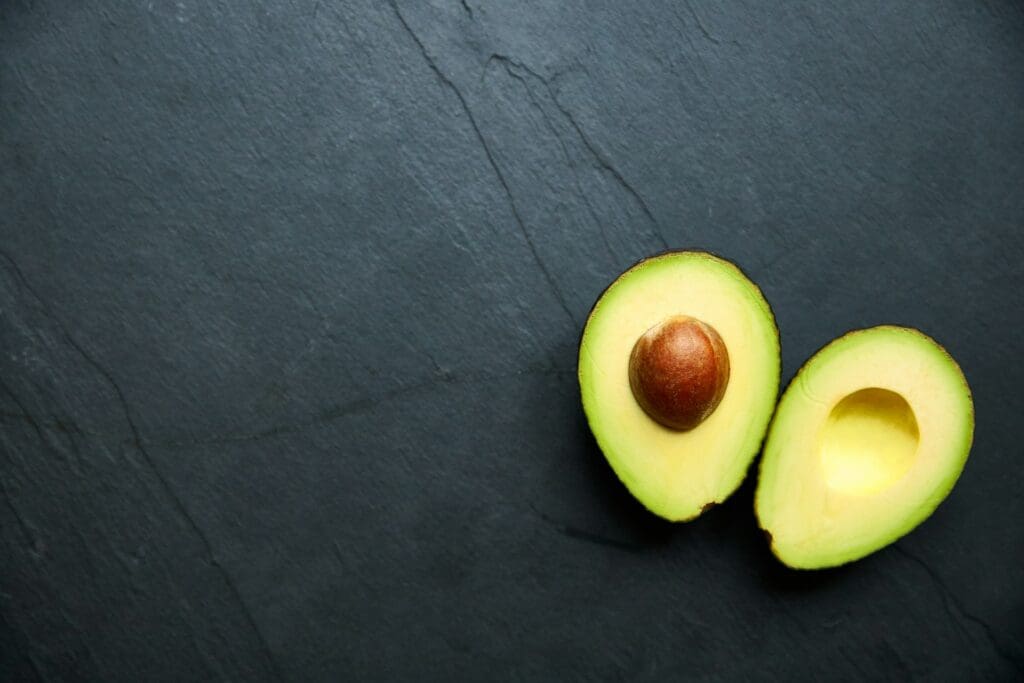
The world’s favourite toast-topper is a nutrient-dense fruit that delivers flavour and health benefits in equal measure. While you’ve probably heard plenty about the humble avo’s stocks of healthy fats, it’s far from a one-trick pony.
READ MORE: The New Age of Nutrition: Why AI Will Change How You Eat
A single medium-sized avocado can contain up to 10g of fibre, with a split between insoluble fibre (to promote digestion) and soluble fibre (to regulate blood sugar and cholesterol). It also contains various B vitamins, vitamin C, vitamin E, magnesium and potassium.
7. Broccoli
Most veggies are heavy on the fibre, but broccoli gets a special mention for being both a fibre phenomenon and laced with endless health perks. A typical serving of cooked broc (around half a cup) will net 2.5g of fibre. Plus, chowing on these ‘mini trees’ has been shown to help reduce inflammation, lower your risk of chronic diseases and support heart health.