Oh God, Fibre? You want to talk about fibre? The most booooooring nutrient apart from maybe potassium (maybe)? Well, all due credit to you, because most people want nothing to do with fibre. Most adults globally don’t hit the recommended daily intake—and that’s across races and ethnicities. Which is a real shame because fibre is a nutritional powerhouse beloved in scientific research. Now, how much fibre you actually need is somewhat controversial (see, drama!), but the short answer is that you need more.
Here’s the long answer.
What Even Is Fibre?
Fibre IS A type of carbohydrate (!) found in plants. Unlike sugar and starch—the other two kinds of carbs—your digestive system needs time to work on fibre, which likely explains many of its gut health benefits.
Not to get too geeky on you, but there are technically two types of fibre—and each have different functions.
Insoluble fibre: “Insoluble” meaning it doesn’t dissolve in water. This is fibre found in produce, nuts, and fortified cereals—it increases the bulk of your stool as well as feelings of fullness.
Soluble fibre: This type dissolves in water, though it forms more of a gel in your digestive tract. This gel can help sugar absorb more slowly in your bloodstream, which helps with blood glucose regulation. You’ll find it in beans, seeds, and berries.
Research has shown that regularly consuming a diet high in insoluble and soluble fibre can lower blood pressure, LDL cholesterol, diabetes risk, and even some cancers. While scientists aren’t yet clear on which type of fibre carries which benefit, you don’t really have to worry about that as long as you’re doing your best to eat enough.
READ MORE: Can This Diet Help Fight Depression? Here’s What the Science Says
How Much Fibre Should You Eat Every Day?
HERE COMES THE drama.
Global guidelines recommend men ages 19 to 30 consume at least 34 grams of fibre daily. (It’s 31 grams for guys 31 to 50, and 28 grams for males 51+.) Some heart health organisations set the target at 38 grams daily. Other nutrition bodies break it down further, stating that men should consume 14 grams of fibre for every 1,000 calories. So if you’re an active guy who needs 3,000 calories a day to fuel performances, that’s 42 grams of fibre.
If all of this is making your head spin, Abby Langer, RD, a Men’s Health Nutrition Advisor and author of Good Food, Bad Diet, is here to help.
“A good way of thinking about fibre is this: Some days will be great, some, maybe not as much. As long as overall you’re consistently choosing high-fibre foods, you shouldn’t have to count every gram,” says Langer. “You also don’t have to add a lot of fibre all at once—build up to it slowly,” she says. Try to integrate beans and lentils, fruits and vegetables, whole grains, and nuts. “Ask yourself at each meal and snack if there’s a way to shove a bit more fibre in there. It’s not about perfection; it’s about being cognizant of your overall fibre intake so you can optimise it.”
In full acknowledgement, eating even 38 grams of fibre daily is a challenge. That’s the equivalent of multiple servings of samp and beans, several slices of brown bread instead of white bread, plus bowls of oats, lentils, butternut, and avocado across your day. Instead, think of your diet from a bigger-picture approach. Are you eating a wide variety of whole foods daily? Do you regularly consume fruits and vegetables whether they are fresh, frozen, or dried? If you are, you’re in good shape, fibre-wise. Through decades of studies, scientists have found that a diet rich in fibre can improve your heart health, prevent and manage diabetes, maintain a healthy weight, keep you regular, and generally help you feel more awesome.
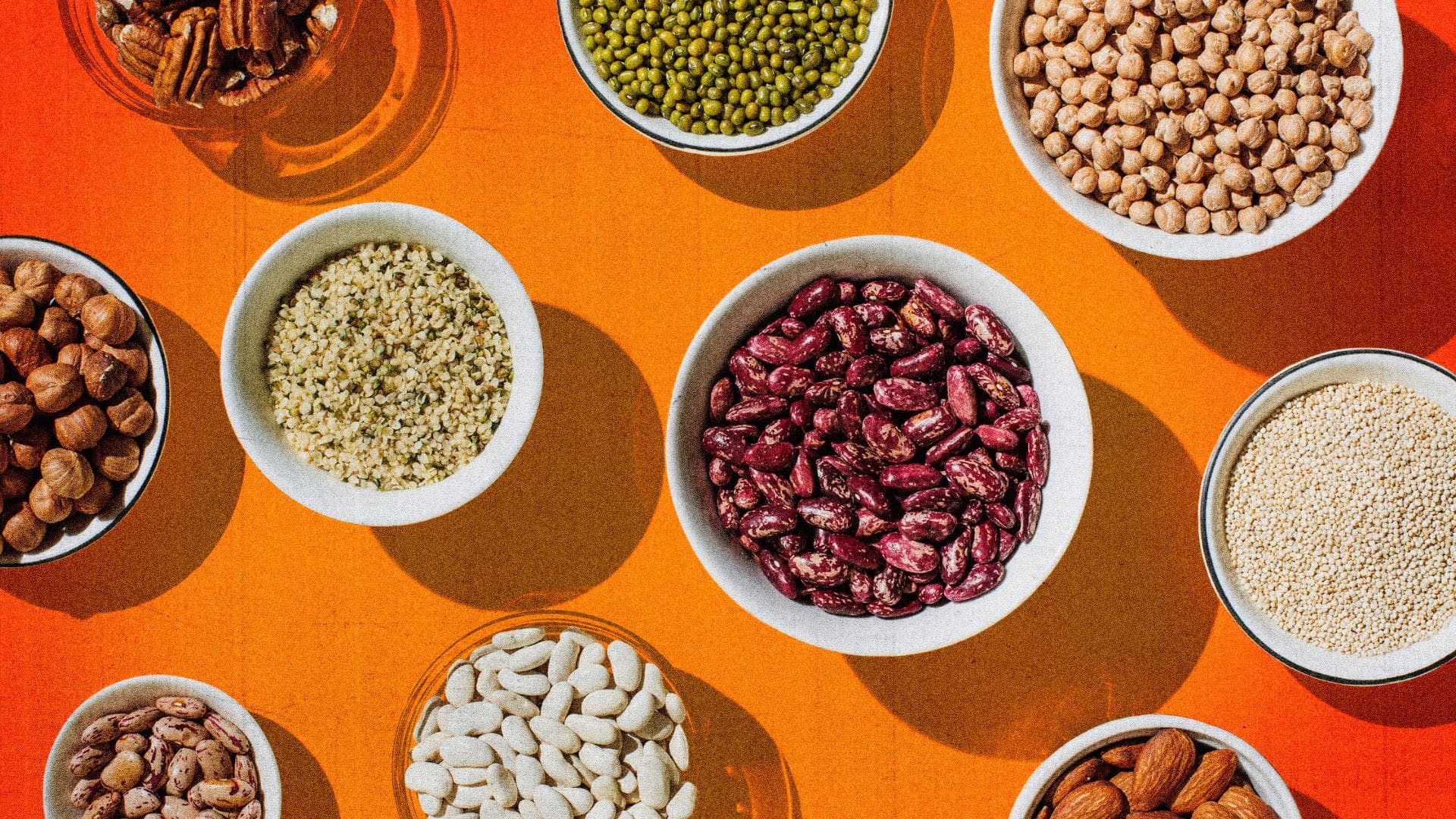
And fibre is so much more than boring ol’ prunes and Metamucil. Fibre is dark leafy greens, whole grains, nuts, legumes, seeds, all kinds of potatoes—deeply satisfying, stomach-patting foods that fill you up.
READ MORE: 6 Health Benefits of Magnesium—And How You Can Get More (Naturally)
Would a Fibre Supplement Help?
Possibly—AND IT depends. Some signs you might not be consuming enough fibre:
You regularly experience energy crashes after eating a meal
You feel hungry shortly after eating
You’re constipated
Your blood pressure numbers are high
But before you start supplementing, talk to your doctor or dietitian, who may recommend a particular type of fibre supplement for certain conditions.
But remember that with a fibre supplement you’re only getting one nutrient: fibre. Whole foods give you the fibre, but a whole host of other beneficial nutrients, too.
This article by Paul Kita was originally published on Men’s Health US – additional reporting and products added by the Men’s Health SA team.