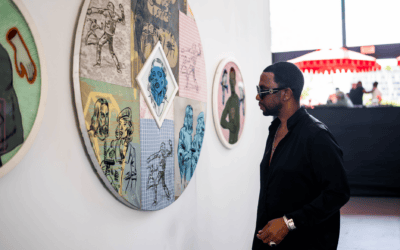
Few producers have shaped the emotional core of South African house music quite like Sun-El Musician. Born Sanele Sithole in the KwaZulu-Natal Highlands, he has built a reputation for crafting immersive Afro-house that moves both body and mind. With his fourth studio album, Under the Sun, he expands that signature sound into something even more layered and expressive, while staying rooted in the rhythms and storytelling of home.
After his performance at the Corona Sunsets Festival, he spoke to Men’s Health about translating studio work to the stage, the importance of balance and why wellbeing plays a key role in his creative process.
Turning Layered Music Into a Live Experience
For Sun-El Musician, performing live is not about recreating what exists in the studio. It is about reshaping it. “It’s about distilling the essence of the album without losing its spirit,” he says. “In studio, you can build layers and sit with detail, but on stage it becomes about energy and connection.”
That shift requires intention. Instead of replication, he leans into reinterpretation, allowing each set to feel alive and responsive. “I rework the music in a way that keeps the emotional core, but allows it to breathe in a live environment. It’s less about replicating and more about giving people a version they can feel in real time.”
Feeling and Movement Go Hand in Hand
His music has always lived in the space between introspection and movement. That balance becomes even more important in a festival setting. “It’s always both,” he explains. “The feeling is what makes the movement meaningful. If people are dancing without feeling anything, it doesn’t last.”
READ MORE: How Ed Sheeran Lost 14kg and Got in the Best Shape of His Life
At the same time, emotion alone is not enough. “If they’re only feeling without release, it stays internal. So I try to create that balance where the music speaks to you emotionally, but also allows your body to respond naturally.”
Reading the Crowd in Real Time
Festival stages demand adaptability, and Sun-El Musician embraces that fluidity. “Festival crowds teach you a lot about timing and intention,” he says. “You become very aware of how people receive certain moments.”
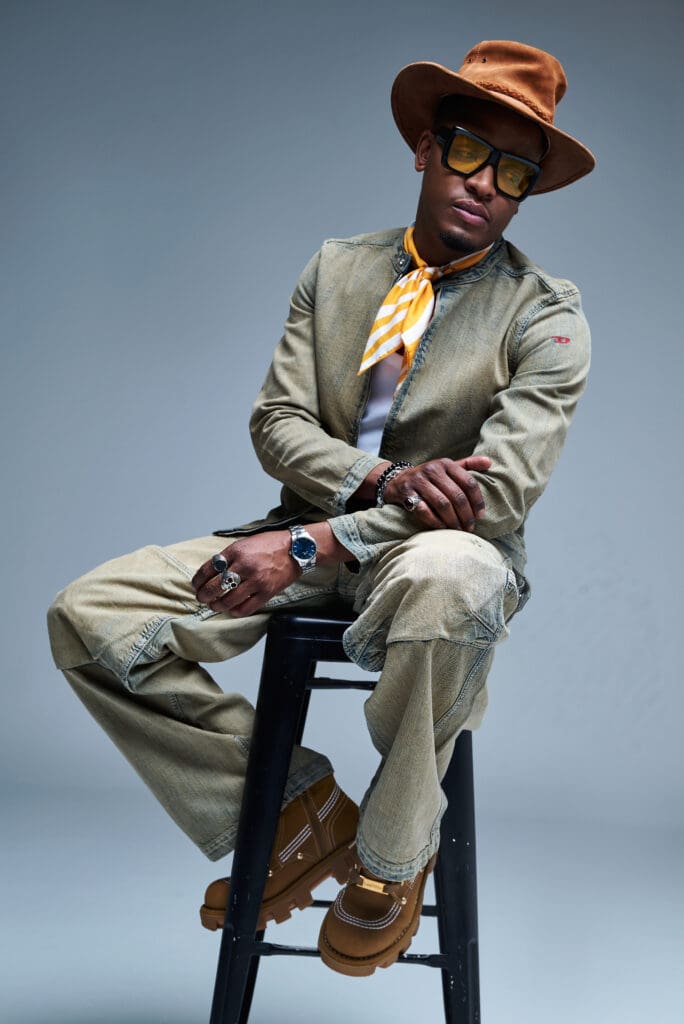
That awareness shapes how he builds each set. “Sometimes I’ll extend sections, strip things back or build tension differently. It’s a conversation in a way. You read the energy and respond to it. That’s where the performance becomes alive.”
A Collaborative Approach To Sound
The new album, named “Under the Sun“, brings together a wide range of voices, including Ami Faku, Msaki, Deborah Cox and Manana. For Sun-El, collaboration begins with emotion rather than technicality.
“It always starts with a feeling. I don’t approach collaboration from a technical space first. It’s about whether someone can carry the emotion of the record.” Once that foundation is in place, the process opens up.“I create a base and then allow the artist to interpret it in their own way. That’s where the magic happens.”
Expanding His Sound Without Losing Identity
While the album explores Afro-house, Afro-tech and R&B, he does not see these as separate lanes. “The foundation is always the same. It’s the feeling and the rhythm,” he says. “Once that’s solid, you can explore different textures without losing yourself.”
That approach allows him to evolve while staying grounded in his identity. “Even when I move into different spaces, there’s still a thread that connects everything back to who I am.” Tracks like Umlayezo and Love Is Love carry a cinematic, almost orchestral quality. Rather than forcing that direction, he allowed it to develop organically.
“I’ve become more comfortable allowing the music to expand naturally,” he says. “Sometimes a simple arrangement isn’t enough, so you let the music open up and become more expansive.”
Growth Through Creative Partnerships
Long-term collaborations have played a key role in shaping his career, both musically and personally. “They challenge you. They bring perspectives you wouldn’t reach on your own,” he says. “Working with people over time builds trust and that allows you to go deeper creatively.”
That growth extends beyond the studio. “It teaches you patience, communication and openness, which all feed back into the music.” No matter how far his sound travels, it always comes back to its origins.
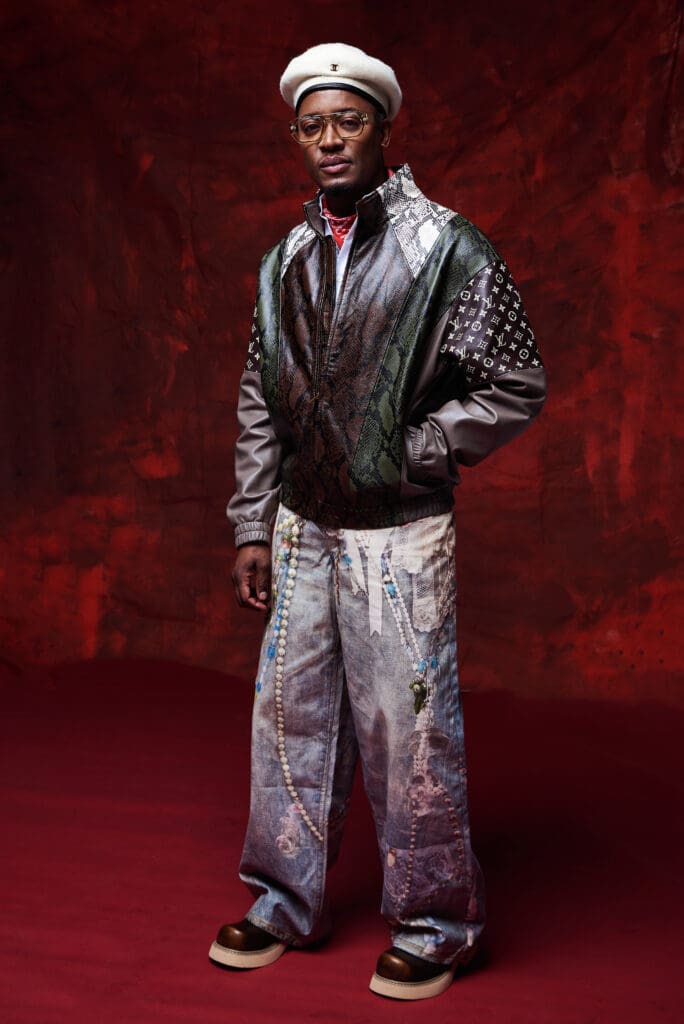
“The rhythm, the storytelling, the emotion, it all comes from home,” he says. “Even when the music evolves, there’s always that underlying pulse that reflects where I come from.” One of the defining qualities of his work is its ability to connect emotionally while still driving movement.
“I focus a lot on contrast,” he explains. “You can have something rhythmically strong, but emotionally soft, or the other way around.” That duality is what creates depth. “When the body connects to one part of the music and the heart connects to another, that’s when it becomes a full experience.”
Why Live Audiences Matter
Global festival stages like Corona Sunsets continue to shape how he thinks about music. “Being in those spaces reminds you that music is shared,” he says. “You see how different people connect to the same sound in different ways.”
READ MORE: A Sunset Soundtrack Awaits at the Corona Sunsets Festival in Cape Town
That perspective feeds back into his creative process. “It expands your awareness without changing your identity.”
The Role of Wellness in Performance
His approach to performance highlights the importance of both physical and mental preparation. “Physically, I try to keep my body in a good space. Rest, hydration, just being mindful of energy,” he says.
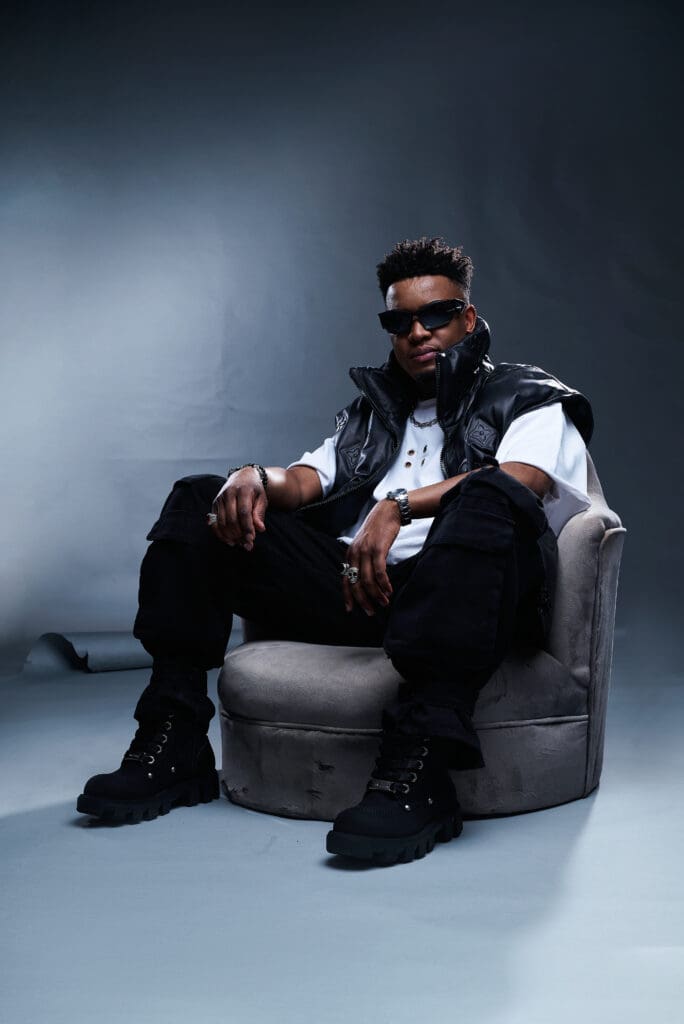
Equally important is mental clarity. “I take time to centre myself before a set. Even if it’s just a few quiet moments. Once I’m on stage, it’s about being fully present.” Touring and producing can take a toll, but Sun-El has learned the value of stepping back.
“I take time to centre myself before a set.”
“Not every moment needs to be filled. Rest is part of the process,” he says. “When you give yourself time to step back, the creativity comes back stronger.” Beyond performance and production, music plays a deeper role in his life. “It’s a way of processing, of understanding things I can’t always explain,” he says. “It keeps me grounded and reminds me to stay present.”
Looking Ahead
While he refuses to single out just one track as a live favourite, he is drawn to songs that allow space to evolve on stage. “I enjoy the ones where you can take people on a journey. Those are the ones that really come alive because you can shape them differently each time.”
As for what comes next, his focus remains clear. “More growth, more intention. More collaborations, but also building worlds around the music. Not just songs, but experiences.”