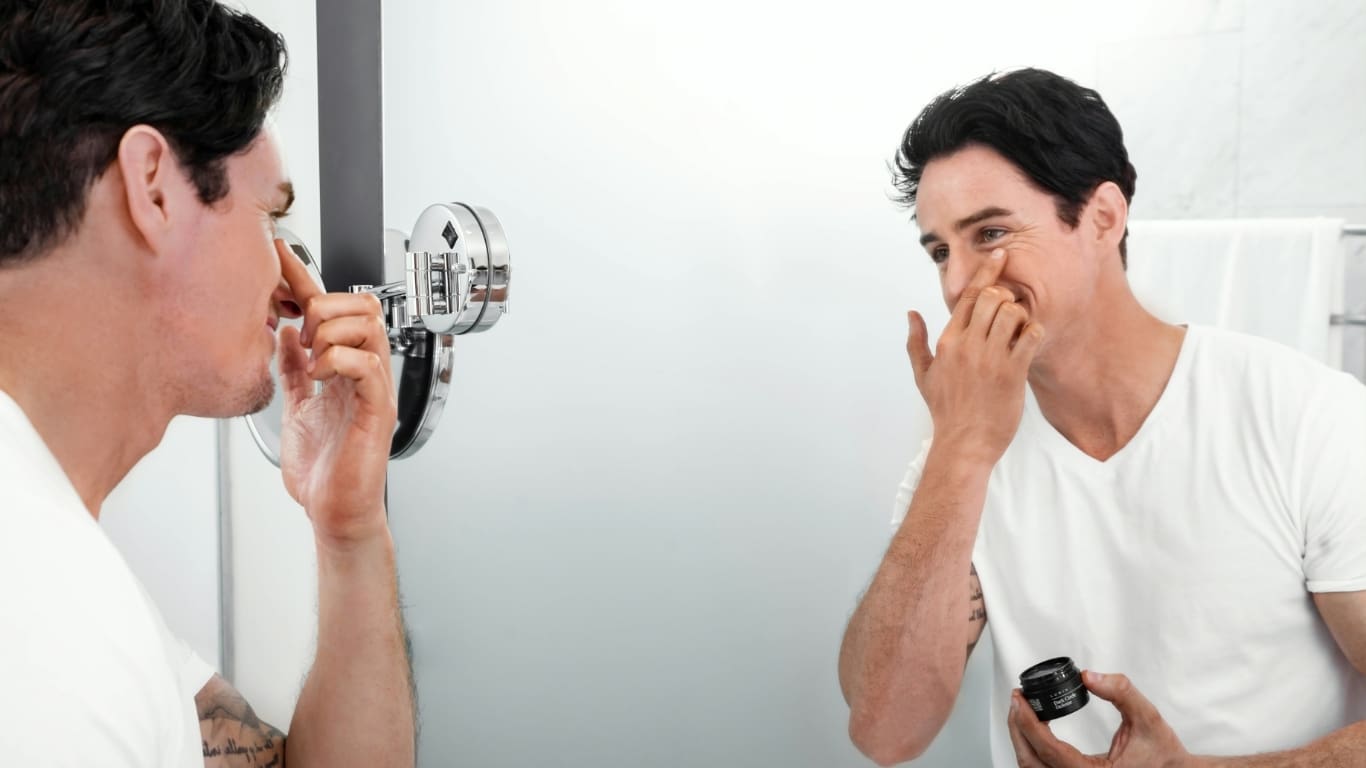
If you’re a guy who wants better skin but has absolutely no interest in building a 10-step skincare routine, I get it. The good news is that you really don’t need one. Retinol is one of those skincare ingredients that can tackle a bunch of different concerns at once, which is probably why dermatologists keep bringing it up when we ask them what guys should be using (besides cleansers, moisturisers, and sunscreen, which is a given).
READ MORE: The New Era of Sunscreen and What It Means for Your Skin
“Retinol is one of the most evidence-based ingredients for improving overall skin quality,” says Dr. Tim Churchill, consultant dermatologist at Cadogan Clinic. It helps increase skin-cell turnover and supports collagen production, which can soften fine lines and improve the look of uneven texture and pigmentation. It can also be useful for guys who deal with blocked pores or breakouts.
And no, retinol isn’t some skincare ingredient reserved for women. The biology behind retinoids doesn’t fundamentally differ between men and women, so there’s no reason to expect men to respond differently, and all of the dermatologists I interviewed for this story agree with this. Here’s what guys should know about using retinol as a beginner.
So, What Does Retinol Actually Do?
Retinol belongs to the retinoid family, which is essentially a group of vitamin A-derived ingredients. When you apply retinol to your skin, it gets converted into retinoic acid, the biologically active form of vitamin A. From there, it helps regulate cell turnover and supports collagen production, while also helping reduce the breakdown of collagen
“It also helps normalize the behavior of keratinocytes and melanocytes, which contributes to smoother texture and more even pigmentation,” says Dr. Marisa Ponzo, MD, a double board-certified dermatologist at North York Board Dermatology.
That might sound like a lot of dermatology jargon, but the practical takeaway is basically that retinol helps your skin behave more like the smooth, clear, evenly toned version of itself that you’re probably trying to get back to.
READ MORE: Surface Hydration vs Deep Hydration: Here’s the Difference, According to an Expert
With consistent use, dermatologists say retinol can help soften fine lines and wrinkles, improve rough or uneven texture, even out pigmentation, and make pores look less noticeable. Because it helps normalize cell turnover, it can also be useful for guys dealing with congestion, clogged pores, and breakouts.
Dr. Michael B. Lipp, a fellowship-trained cosmetic dermatologist at SKINAESTHETICA, describes retinol as the “Swiss Army knife” of skincare because of how many concerns a single ingredient can address. That versatility is also what makes it such a good fit for guys who want to keep their routines simple.
When Should Men Start Using Retinol?
There’s no magic birthday when you’re suddenly supposed to start using retinol. Instead, the dermatologists I spoke with recommend thinking about what your skin is actually doing.
“Some men in their 20s may already be using a retinoid for acne, but from a healthy-aging perspective, the late 20s or 30s can be a great time to establish a consistent routine and benefit from its cumulative effects over time,” says Dr. Shannon Humphrey, founder and medical director of Humphrey & Beleznay Cosmetic Dermatology and clinical associate professor at the University of British Columbia.
READ MORE: The Best Men’s Moisturisers in 2026 for Every Skin Concern
That being said, retinol can help with younger fellas dealing with hormonal problems that visibly show on the face. If you’re in your 30s or 40s and you’re starting to notice fine lines, rougher texture, uneven pigmentation, or other signs of sun exposure, that’s another good reason to consider one.
The bigger point is that you don’t have to wait until you have obvious wrinkles to start thinking about it. “Our skin gradually produces and maintains less collagen as we age, so I favor starting good skincare habits earlier rather than trying to reverse years of accumulated damage later,” says Dr. Rishi Chopra, a Harvard-trained, board-certified cosmetic dermatologist.
And whatever age you are, don’t skip the sunscreen. Multiple dermatologists emphasized that daily broad-spectrum SPF 30 or higher is still the foundation of any anti-aging routine. Retinol can complement sun protection, but it doesn’t replace it, and in fact makes your skin more susceptible to sun damage if you’re not using proper protection.
How to Pick Your First Retinol
If you’re new to retinol, don’t make the mistake of assuming the strongest product is automatically the best one. Pretty much every dermatologist I spoke with made the same point: the best retinoid is the one you can actually tolerate and use consistently.
A higher concentration may produce faster or greater improvements in some measures, but it can also cause more irritation. And there’s not much point in buying an aggressive formula if your skin gets so dry, red, or irritated that you stop using it after two weeks.
Dr. Churchill recommends beginners start with a lower-strength retinol, around 0.1 to 0.3 percent, and one to two nights per week at first. Truly, slower is better in this scenario.
The formulation matters, too. Dermatologists recommend looking for moisturizing and barrier-supporting ingredients such as ceramides, glycerin, hyaluronic acid, or panthenol if you’re concerned about dryness or sensitivity. Encapsulated retinol can also be a good option for beginners because it releases the retinoid more gradually.
READ MORE: How to Apply Eye Cream in 3 Steps, According to Dermatologists
You also don’t need to find a product specifically marketed to men. “Men don’t need a separate category of ‘men’s retinol,’” says Dr. Ponzo. “Skin is skin.” Instead, choose based on your skin type, sensitivity, and what you’re actually hoping to improve.
How to Use Retinol Without Damaging Your Skin Barrier
The most common mistake dermatologists see is simply using too much, too often, too soon. Dr. Lipp says he hears the same story from men who tell him they “tried retinol and it ruined my face.” They usually started using it every night from day one. Don’t do that!
Instead, start with roughly a pea-sized amount for your entire face just one or two nights per week. Apply it to clean, completely dry skin, then follow with moisturiser. If your skin is handling it well after a few weeks, you can gradually move up to every other night and eventually nightly if your skin allows it.
It’s also important to note what your skin type is. “For someone with sensitive or dry skin, I often recommend the sandwich technique: moisturizer first, then retinol, followed by another layer of moisturizer if needed,” says Dr. Lipp. This can help reduce peeling while still allowing you to get the benefits of the retinoid.
Dr. Lipp also warns men not to put it right up against their eyes, lips, or the corners of their nose. Those areas tend to be more sensitive and are much easier to irritate.
Some dryness, mild redness, or flaking can happen when you’re getting used to retinol. But significant burning, persistent redness, or ongoing irritation is a sign to back off and reduce your frequency. If your skin still isn’t tolerating the product after a month or two, Dr. Lipp recommends talking with a dermatologist.
What Shouldn’t You Use With Retinol?
You don’t necessarily need to throw away every other active in your bathroom, but when you’re first starting retinol, it’s smart to keep things simple.
Several dermatologists recommend avoiding strong exfoliating acids, such as glycolic or salicylic acid, on the same nights you’re using retinol, at least while your skin is adjusting. Physical scrubs and other potentially irritating products can also make the adjustment period rougher.
It’s also recommended that you keep your vitamin C in your morning routine and retinol in your nighttime routine when you’re first getting started rather than stacking both into the same routine.
The simpler your routine is when you start, the easier it will be to figure out what’s actually working for your skin.
The Best Retinoids for Beginners, According to Dermatologists and Editors
If you’re new to this: CeraVe Resurfacing Retinol Serum: multiple derms’ favourite for pores, post-acne marks, texture, oily/acne-prone skin. Options from The Ordinary and Dermalogica are favoured by our grooming editor.
For dry or sensitive skin: If your skin is flaky and dry, or just generally sensitive, the La Roche-Posay Retinol B3, or Dr. Lipp’s pick, CeraVe Skin Renewing Retinol are perfect choices (ceramides + hyaluronic acid + shea butter = a hug for your face).
For max hydration: A locally available option is Neutrogena Retinol Boost Night Cream, which combines retinol with hyaluronic acid for added hydration.
Fighting acne specifically: CeraVe Resurfacing Retinol Serum is a locally available option for blemish-prone skin, helping improve the appearance of post-acne marks, pores and uneven texture.
When you’re ready to level up: Dr. Churchill’s suggests Medik8 Crystal Retinal: a retinal (stronger tier), great for anti-aging if you start low and build up slowly.
Fine lines/texture/pigmentation: Dr. Humphrey’s pick, SkinCeuticals Retinol 0.3, is a lower concentration and specifically focused on photoaging.
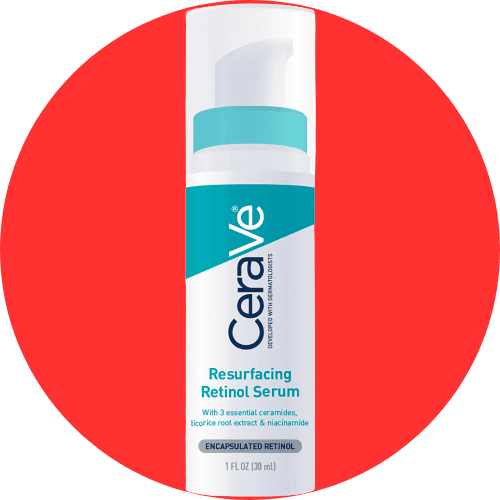
Great for Beginners
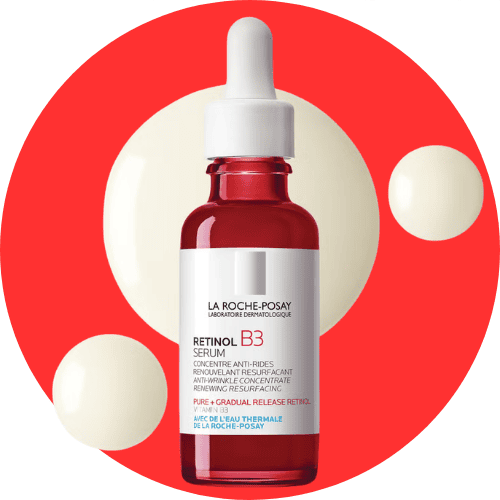
Feels Nice on Skin
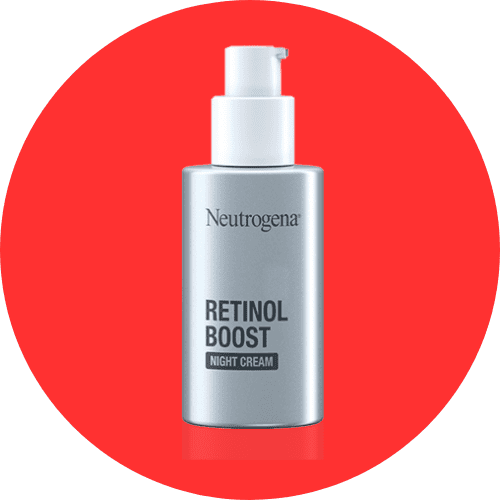
Most Derms Recommend
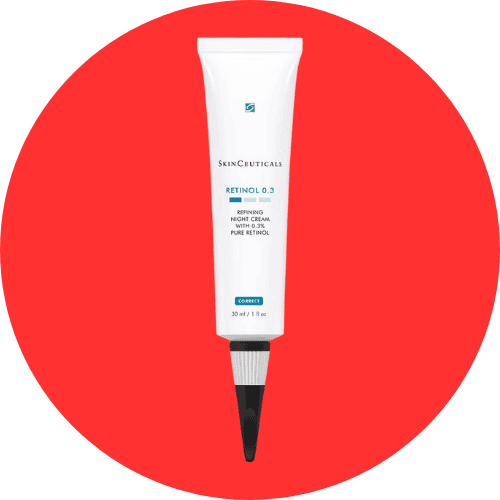
Dr. Humphrey’s Pick
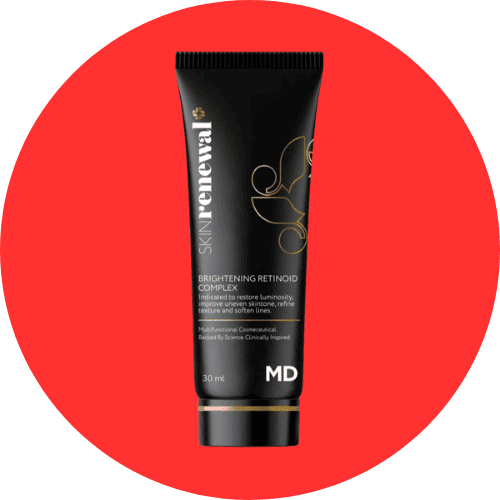
My Personal Favourite
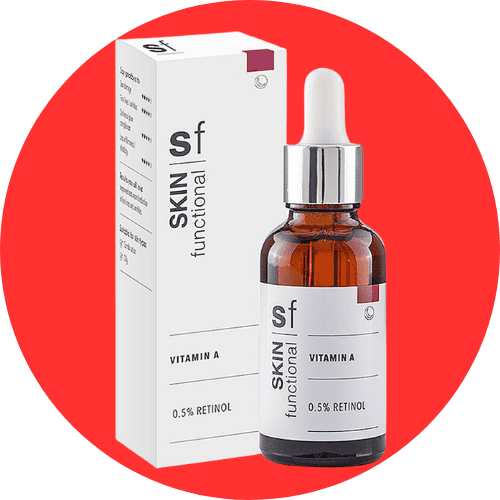
Another One I like
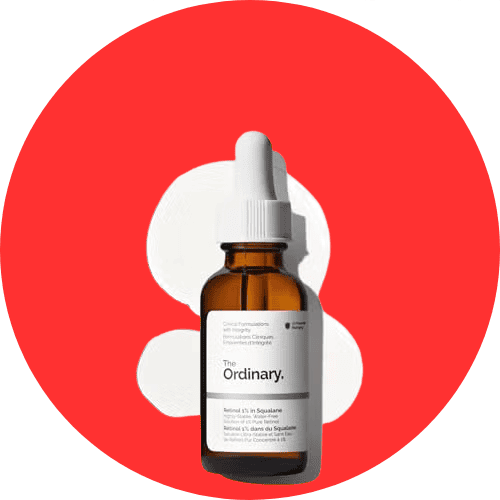
Our Grooming Editor’s Pick
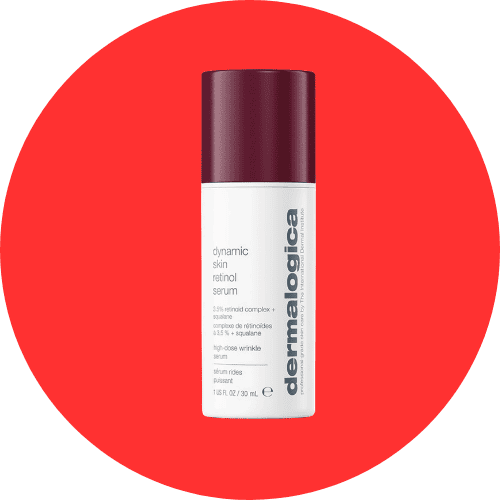
Our Grooming Editor’s Pick
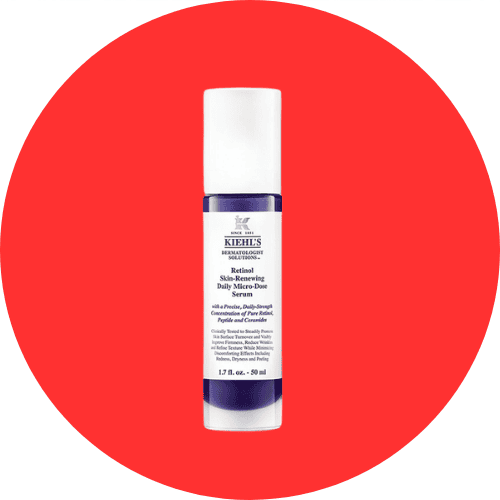
Popular Online
The Bottom Line
You don’t need to become a skincare guy overnight. If your current routine consists of washing your face, putting on moisturiser, and remembering sunscreen most days, you’re already working with a pretty manageable foundation. Retinol is simply one of the few active ingredients that can add a lot without requiring you to pile a bunch of new products onto your bathroom counter.
Start with a gentle formula, use a small amount just a couple of nights a week, moisturise, and give your skin time to adjust. You don’t get bonus points for jumping straight into the strongest retinoid you can find.
The goal isn’t to survive two weeks of aggressive retinol use. It’s to find something your skin can tolerate and that you can keep using consistently for years.
Meet The Experts
- Dr. Tim Churchill, is a consultant dermatologist at Cadogan Clinic in London.
- Dr. Marisa Ponzo, MD, is a double board-certified dermatologist practicing at North York Dermatology Clinic.
- Dr. Michael B. Lipp, is a fellowship-trained cosmetic dermatologist at SKINAESTHETICA.
- Dr. Shannon Humphrey, is founder and medical director of Carruthers & Humphrey Cosmetic Dermatology in Vancouver, and a clinical associate professor at the University of British Columbia.
- Dr. Rishi Chopra, MD, MS, FAAD, is a Harvard-trained, board-certified cosmetic dermatologist.
This article by Josiah Soto was originally published on Men’s Health US