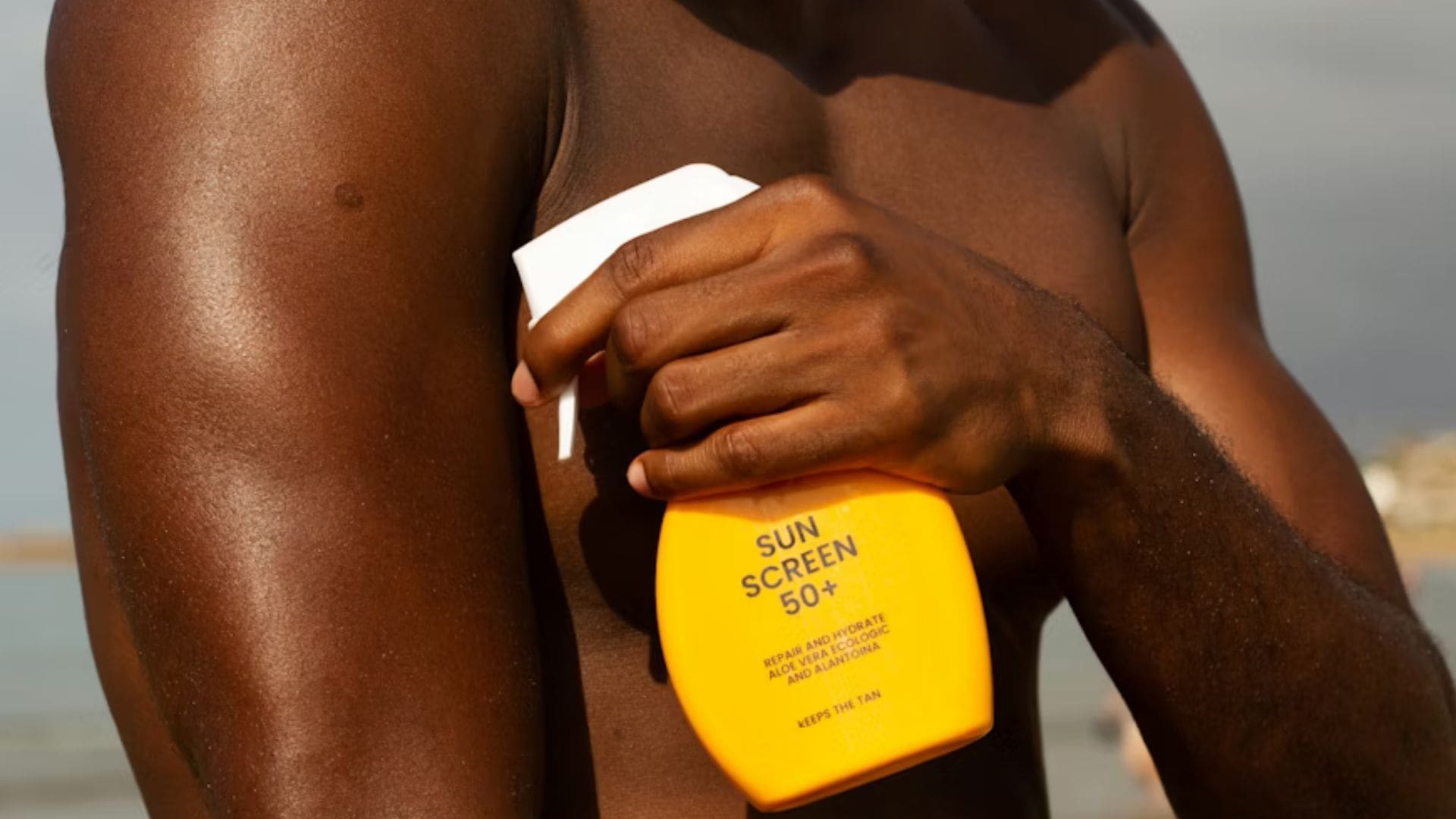
We’re officially on burn notice. Despite years of public health warnings, about 88 percent of men still say they never use sunscreen. What’s worse, one in seven adults under 35 believe that sunscreen itself is more harmful than direct sunlight. That’s a damn shame because we’re witnessing a quantum leap forward in all things sunscreen. Modern sunblock is not the goop you spackled on as a kid.
Today’s sunscreens—fuelled by new research and tech—are pure wizardry. Not only are these products safe, but they block multiple harmful rays, prevent skin cancer, reduce skin damage, combat signs of ageing, hydrate, control breakouts, and decrease redness. We dug into the latest science, talked to top dermatologists, and tested next-generation products to unblock your sunblock issues—now and way, way into the future.
Decoding Sunscreen Language.
Before we get into the past and future of sunscreen, it’s important to flag the fake news out there. An incomplete list of influencer-friendly sun-care tips that docs do not recommend: Drinking water (good idea, but not as sunscreen; Eating well (see “drinking water”); Beef tallow (yuck); DIY anything (just don’t); Chemical-free sunscreens (no, sunscreens don’t cause cancer). That being said, these are terms you should know that you’ll run into when looking for genuine, effective SPF products.
READ MORE: How to Protect Your Skin in Summer, According to a Dermatology Expert
Chemical: These sunscreens sink into the skin and convert UV light to harmless heat. (Pretty cool, right?)
SPF: It stands for “sun protection factor,” which indicates the amount of UV radiation a product shields you from.
Broad-Spectrum: The product protects against UVA and UVB light. To gain approval, a sunscreen must do both.
Mineral: Mineral sunscreens feature ingredients like zinc oxide that act as a physical barrier, reflecting UV rays before they can penetrate.
Water-Resistant: This means the sunscreen will protect you (usually for either 40 or 80 minutes) while you’re in the water. These are great for pool or beach days, and a must for sunscreens for working out.

The Best Sunscreens
Old-school screens left you ghostlike. New tech eliminates the white residue—and other issues. Plus, many now act as double agents, blocking harmful rays as well as repairing, hydrating, and smoothing out skin.
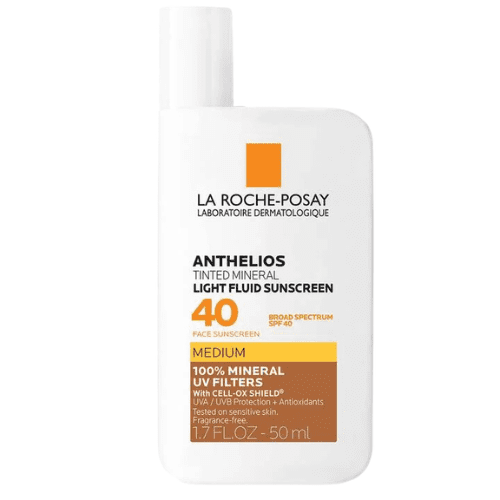
FOR SKIN TONE
La Roche-Posay Anthelios Tinted Mineral Sunscreen SPF 40
Available in four shades, this screen has iron oxide, which blocks visible damage from light.
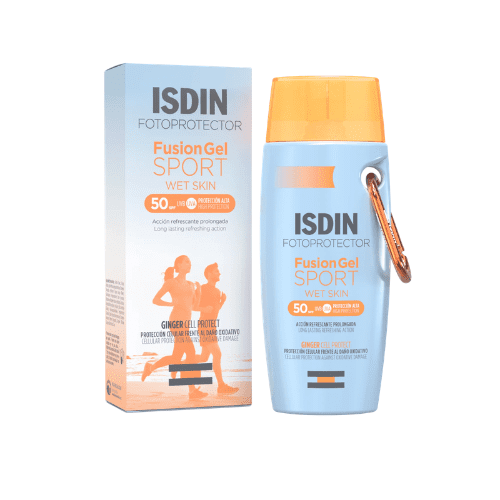
FOR WORKOUTS
ISDIN Fusion Gel Sport SPF 50+
Sweat-proof, invisible, non-sticky and formulated for intense movement – this gel SPF keeps up when you’re going full tilt.
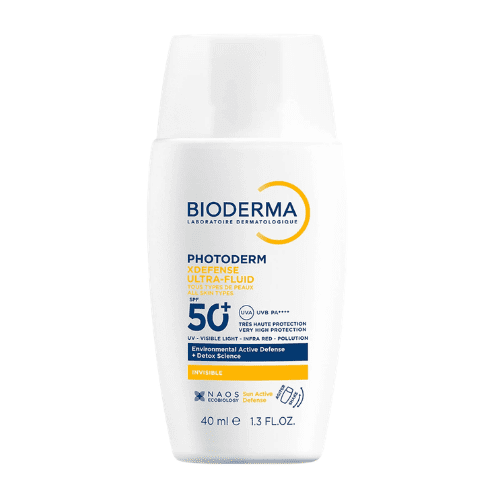
FOR MORE PROTECTION
BIODERMA Photoderm XDefense Ultra Fluid SPF50+ Invisible
New tech shields your skin from harmful rays, visible light, infrared and even pollution.
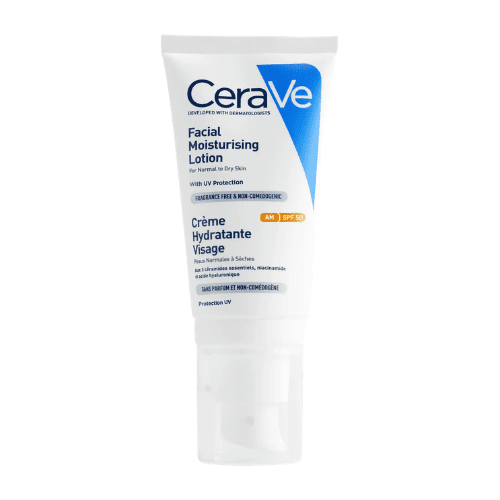
FOR DRYNESS
CeraVe Facial Moisturising Lotion SPF50
Contains ceramides and niacinamide – great for dudes who don’t like multi-step routines.
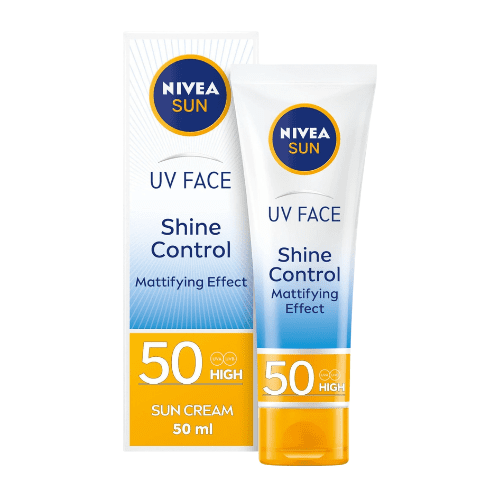
FOR ZERO SHINE
Nivea Sun SPF50 Shine Control Cream
Non-stick and non-greasy, this formula helps mattify oily skin while keeping your outer layer hydrated.
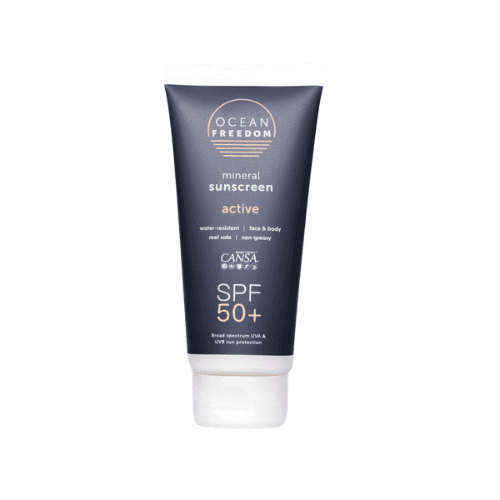
FOR THE WATER
Ocean Freedom Active Mineral SPF 50+
Made with swimmers in mind, this sunscreen is water-resistant so you won’t have to reapply after you make a splash.
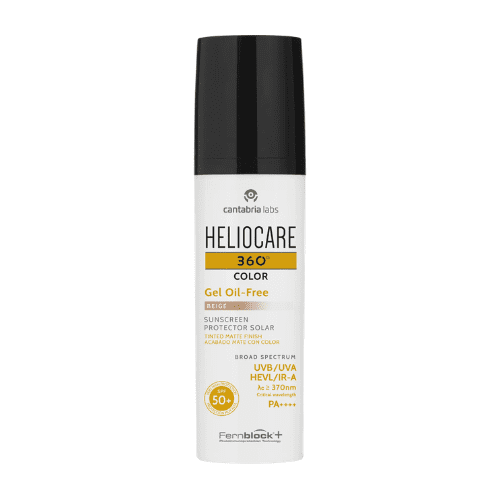
FOR THE REDNESS
Heliocare 360° Colour Gel Oil-Free SPF 50
Don’t be afraid of tint -his gel is sheer and neutral, perfect for calming post-gym lush or shaving irritation.
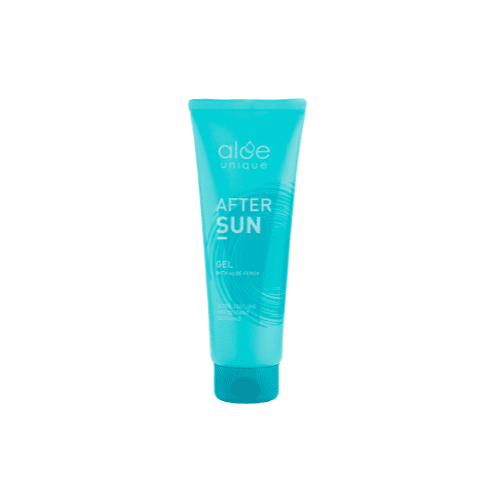
AFTER-SUN CARE
Aloe Unique After Sun Gel
Apply to clean, dry skin to soothe the burn. This gel uses cooling aloe to instantly relieve and replenish.
The Simple Solution
While not approved in the US, Bemotrizinol, also known as PARSOL Shield, is another option available to us here in SA. “To get to an SPF 30 or 50, I need to use at least two or three chemical sunscreens [in a formula],” says cosmetic chemist Ron Robinson. But PARSOL Shield offers more protection with fewer ingredients. And it’s not only long-lasting, but boasts water-resistance without wreaking havoc on your skin. (It’s incredibly gentle!) In many parts of the world, like Europe and Asia where the smart offering has been used for decades, folks are singing its praises. One to consider if you prefer a minimalist approach.
READ MORE: Tried & Tested: The HydraTouch Facial Experience at Skin Renewal
About “Hybrid” Sunscreens
These screens, a combo of chemical and mineral, are often lighter than pure mineral ones. That’s a win. But recent studies show they may not protect against UVA rays and visible light as well as a chemical- or mineral-only option, says dermatologist Dr. Corey L. Hartman. Pure mineral sunscreens with a tint provide the most protection against both kinds of damaging light, studies show.

How to Apply Sunscreen
Even the best sunscreen won’t do jack if you don’t put it on right. Follow these guidelines from the American Academy of Dermatology for the best results. Always opt for a broad-spectrum sunscreen that’s SPF 30 or higher for optimal protection. Also, pick a water-resistant product, as it will last longer. Put it indoors and let it dry for 15 minutes before going outside. On your body, use about one ounce of sunscreen total. On your face, use a nickel-size dollop. If it’s a spray sunscreen, don’t forget to rub it in after spraying. Make sure to cover the tops of your feet, ears, and neck, too. Don’t forget your lips, and use a lip balm that’s SPF 30 or higher. Reapply everywhere every two hours.
READ MORE: Why More Men Are Taking Skincare Seriously
Meet the Experts
- Dr. Corey L. Hartman, MD, board-certified dermatologist and founder of Skin Wellness Dermatology in Birmingham, AL.
- Ron Robinson, cosmetic chemist and founder of BeautyStat.
This article by Garrett Munce was published on Men’s Health US – additional reporting was done by the Men’s Health SA Team.
Men’s Health participates in various affiliate marketing programs, which means we may get paid commissions on editorially chosen products purchased through our links to retailer sites.