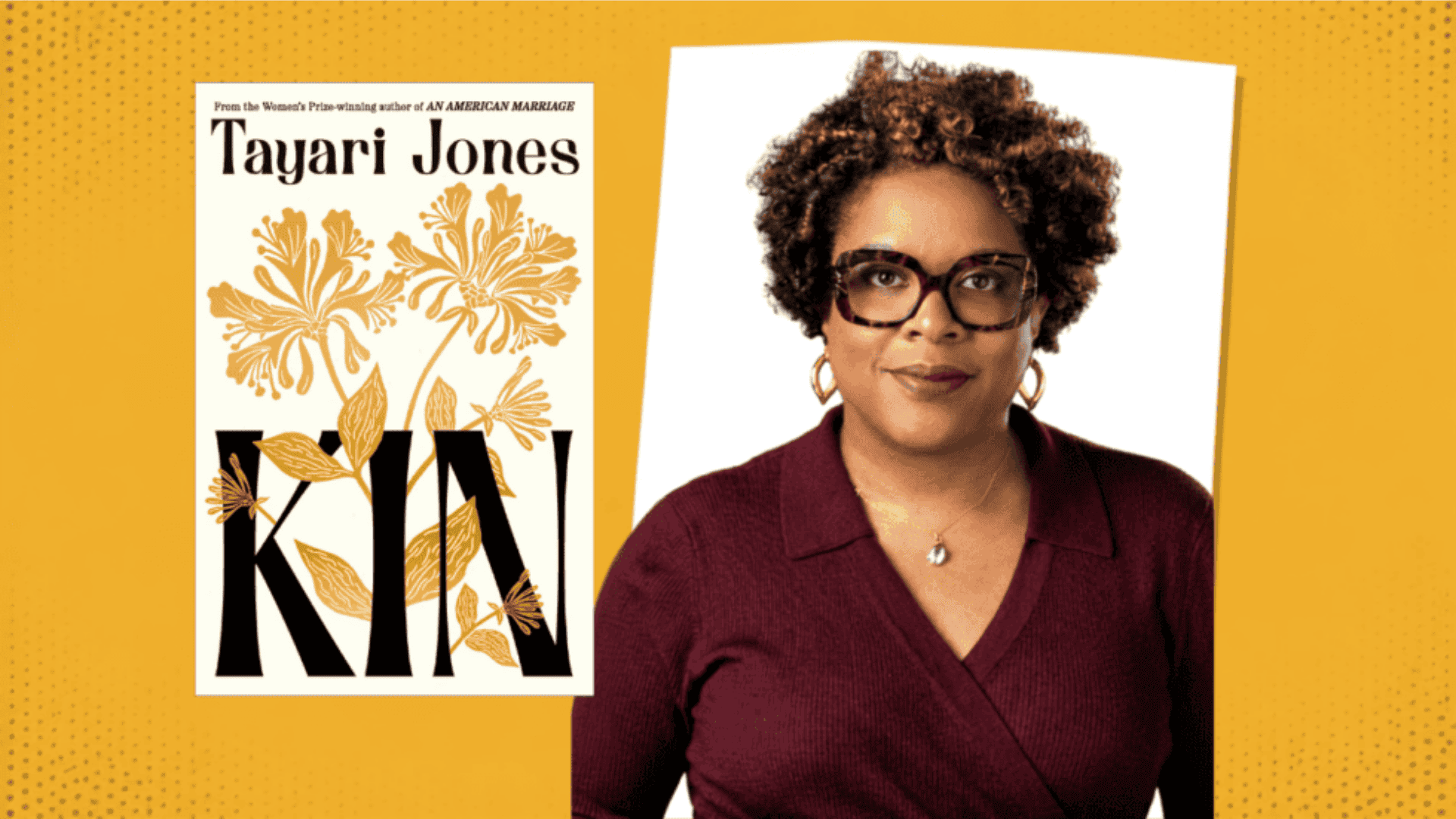
Tayari Jones’ Kin is the kind of novel that quietly reminds you just how much our friendships can shape the people we become. Set against the backdrop of the American South, the novel follows Vernice and Annie, two motherless girls who grow up together in Honeysuckle, Louisiana. Their lives eventually take very different directions, but the bond they form in childhood continues to connect them across distance, disappointment and the changing circumstances of adulthood.
Jones uses their friendship to explore family, grief, identity, ambition and the complicated ways we remain tied to the people who knew us before we fully knew ourselves. What stayed with me most after finishing Kin was not simply what happens to Annie and Vernice, but what their relationship says about friendship itself.
Friendship Can Be One of the Great Loves of Our Lives
We often reserve our biggest language for romantic relationships. We talk about finding “the one”, heartbreak and spending a lifetime with someone. Friendship can be treated as something slightly less consequential. Kin challenges that idea.
Annie and Vernice’s friendship contains many of the same things we associate with great love stories. There is devotion, disappointment, history, resentment, tenderness and an understanding of one another that cannot easily be replicated. They are not always physically together, nor do they always understand the choices the other makes. Yet the relationship remains part of who they are.
READ MORE: What A Little Life Reveals About Male Friendships and Emotional Pain
That is perhaps one of the most affecting things about Jones’ novel. Some friendships do not need constant proximity to remain significant. There are people who become part of the architecture of our lives simply because they knew us at a particular time and helped shape who we became.
The People We Lose Leave Something Behind
Grief runs throughout Kin, beginning long before the novel reaches its devastating conclusion. Both women grow up in the shadow of absent mothers, although their circumstances are very different. That absence influences how they understand themselves and the lives they eventually pursue. The novel is deeply interested in what happens when we spend years searching for something we believe will finally make us whole.
By the end of the novel, Annie’s death makes the book’s examination of friendship even more painful. Her death is heartbreaking, but it also forces us to consider what it means to lose someone who carries part of our history.
When a lifelong friend dies, you do not only lose the person standing in front of you. You lose someone who remembers earlier versions of you. They may remember the childhood fears, private jokes, ambitions and mistakes that no one you meet later in life will ever fully understand. That kind of grief deserves to be taken seriously.
Family Is Not Always About Blood
The title Kin feels increasingly meaningful as the novel progresses. Jones is interested in biological family, but she also asks us to think more expansively about who qualifies as family. The women are surrounded by relatives and substitute maternal figures, but their own relationship becomes another kind of family. This idea of chosen family feels particularly powerful because it acknowledges something many of us experience as adults.
READ MORE: The Quiet Violence of Dreams Is Not an Easy Read and That Is the Point
The people who sustain us are not always the people we are related to. Sometimes it is the friend who has known you for decades. Sometimes it is the person you meet much later who becomes an essential part of your life. Sometimes family is created through loyalty, care and simply continuing to show up. That is one of the reasons Kin feels so emotionally universal despite being rooted in a very specific place and period.
A Story About Two Women That Men Should Read Too
It would be easy to describe Kin primarily as a novel about female friendship and it certainly is that. But doing so risks overlooking how relevant its central ideas are to men. Men’s friendships can sometimes exist within narrower emotional boundaries. We may talk about work, sport, relationships and whatever is happening around us without necessarily telling our friends what is happening within us.
A novel like Kin offers another way of looking at friendship. It suggests that friendship can involve knowing someone’s fears, disappointments, family history and contradictions. It can mean allowing yourself to need another person. It can also mean accepting that even our closest friends will sometimes make choices we do not understand. None of that makes the friendship weaker. It makes it human.
Why Kin Stays With You
Jones has written a novel that deals with enormous subjects without losing sight of the individual people at its centre. Race, class and the realities of life in the Jim Crow South form part of Annie and Vernice’s world, but the novel remains intensely focused on character and relationships. The story moves between the perspectives of its two protagonists as their lives diverge and eventually converge again in the face of tragedy.
READ MORE: Why Ocean Vuong’s Writing on Life, Loss and Belonging Matters
I finished Kin thinking about friendship and how rarely we stop to appreciate just how formative it can be. Friends witness our becoming. They know the things we once wanted, the people we once were and sometimes the things we have tried to forget. Even when life takes us in completely different directions, some friendships leave a permanent mark. Kin understands that beautifully.
It is a compelling, deeply moving novel about the family we are born into, the family we find and the people whose presence in our lives becomes impossible to measure until they are gone.
Rating: 4.5/5