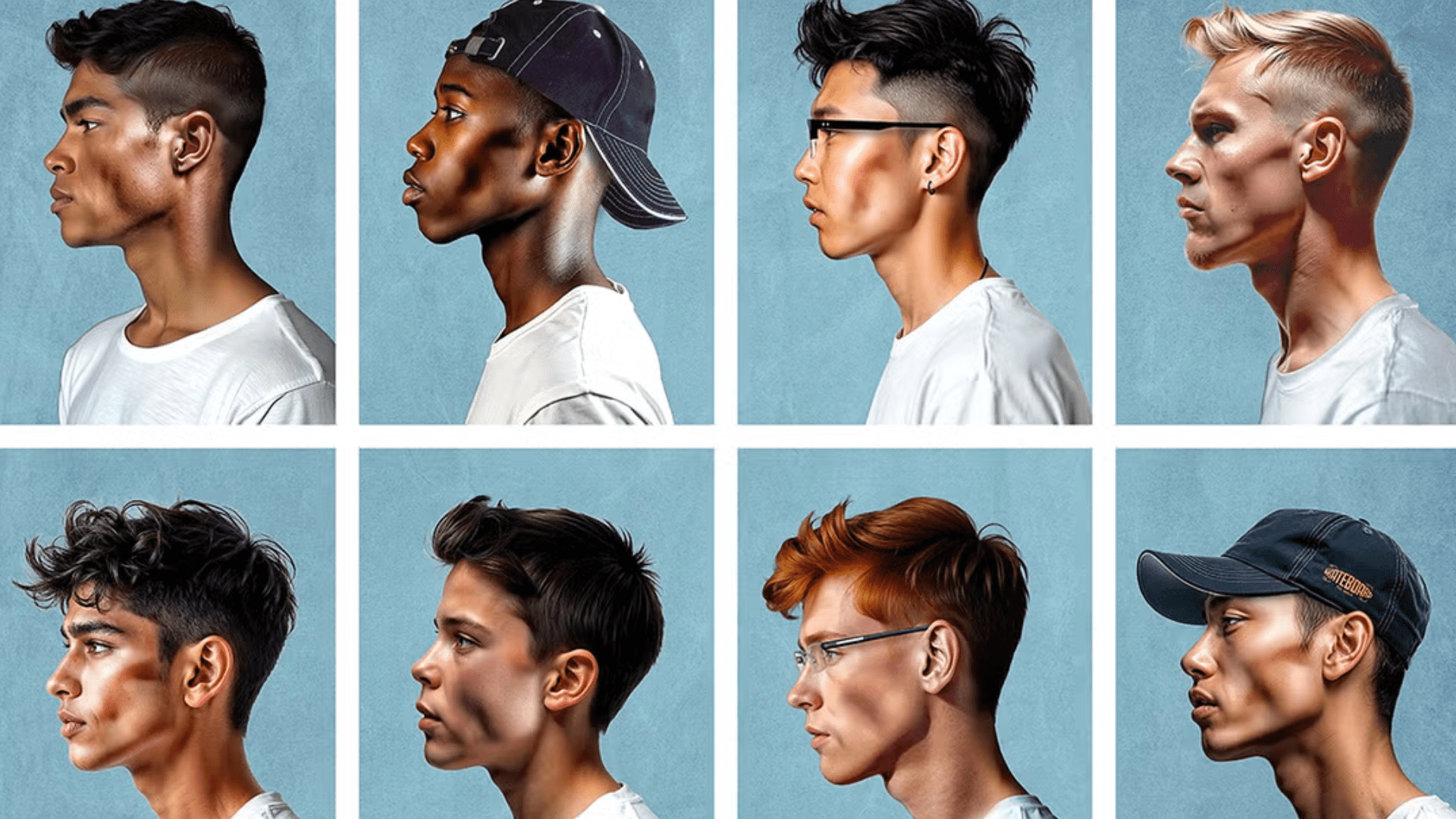
A growing online trend known as “looksmaxxing” is gaining traction among young men on platforms like TikTok, YouTube and Reddit. While it is often framed as self improvement, experts warn that it can quickly shift into unhealthy obsession, driven by unrealistic beauty standards and algorithm driven content.
In simple terms, looksmaxxing refers to the deliberate effort to maximise physical appearance through skincare, fitness, grooming, diet or even cosmetic interventions. The concern is not self care itself, but the extreme and sometimes harmful behaviours being promoted under the label. Biomedical scientist and skincare expert Dr Judey Pretorius says the trend reflects deeper issues around identity and self worth.
“Looksmaxxing is being marketed as self improvement, but in many cases it can quickly become an unhealthy obsession with perfection,” she explains.
What Exactly Is Looksmaxxing?
Looksmaxxing describes a wide range of appearance focused behaviours aimed at achieving an idealised version of attractiveness. Healthy self care usually focuses on hygiene, wellbeing and confidence. Looksmaxxing, however, often shifts toward rigid beauty standards and the idea that appearance directly determines success, popularity or social value.
While some content includes basic grooming and skincare, more extreme versions promote unverified techniques, aggressive routines and unrealistic transformation goals.
Why the Trend Is Growing Among Young Men
Young men are increasingly exposed to curated images of success, fitness and attractiveness online. This stage of life is often marked by identity formation, which makes external validation more influential.
READ MORE: The One Creatine Side Effect Men Can’t Stop Worrying About
Many are drawn to looksmaxxing because it presents a structured path to improving confidence, dating prospects and social standing. Dr Judey highlights the pressure behind this appeal. “Young men are increasingly exposed to unrealistic beauty standards online, where attractiveness is often linked to success, popularity and self-worth. The danger is that many begin to believe they are never good enough as they are.”
When Self Improvement Becomes Unhealthy
Self improvement becomes a concern when appearance starts to dominate a person’s thoughts and daily functioning. Warning signs include constant mirror checking, distress over perceived flaws, avoiding social situations and obsessively researching appearance changes. It can also show up emotionally, with feelings of anxiety or inadequacy despite visible improvements. At that point, the focus has shifted away from wellbeing and into fixation.
The Skincare Risks Behind Looksmaxxing Routines
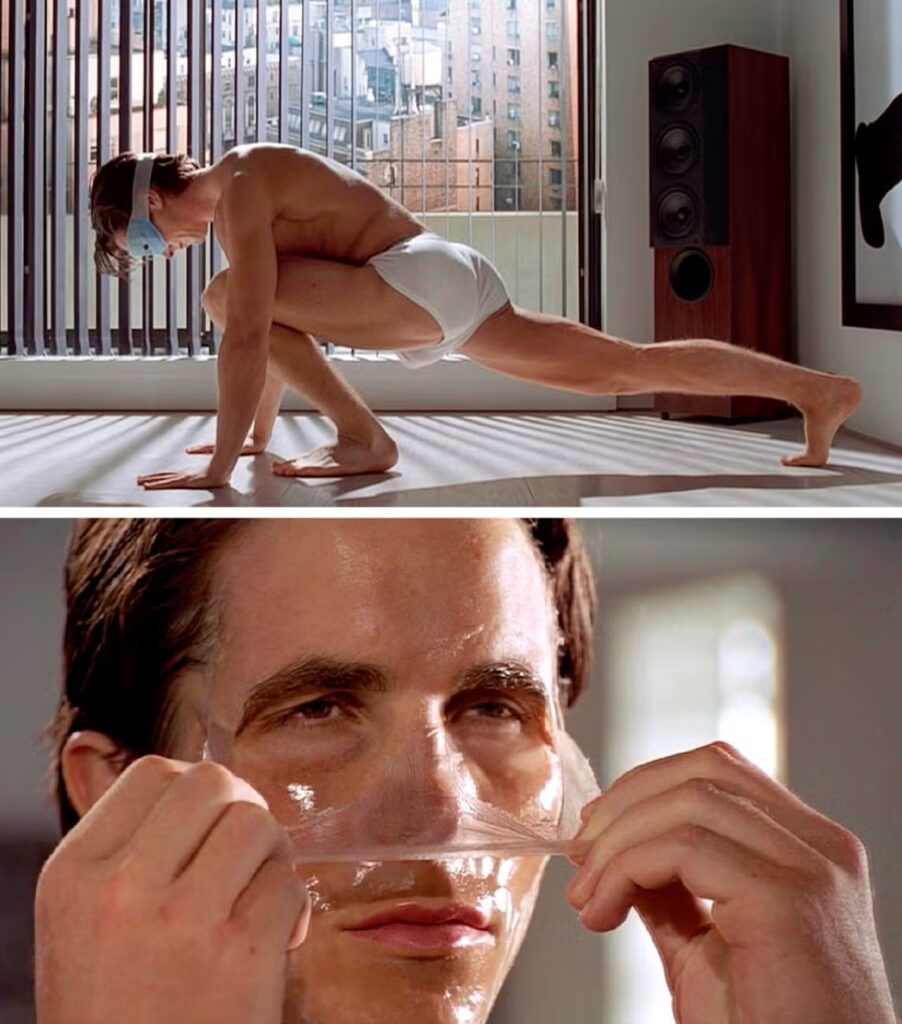
One of the most concerning parts of the trend is how skincare advice is being shared online without proper understanding of skin biology. Dr Judey notes that many young people are combining strong active ingredients without guidance. “We are seeing young people layering multiple active ingredients onto their skin without understanding the science behind them,” she says. Common risky practices include over exfoliation, misuse of retinoids and overuse of chemical acids. These behaviours can lead to skin barrier damage, irritation and long term sensitivity.
Other risks include:
- Over exfoliating, which strips the skin’s natural barrier and increases irritation and infection risk
- Excessive use of retinoids or acids, which can cause burns, redness and hyperpigmentation
- Mixing incompatible ingredients, leading to prolonged inflammation
- Using counterfeit or unregulated skincare products bought online
- Extreme dieting aimed at changing facial appearance, which can affect nutrition and skin health
- Jawline “training” methods like excessive chewing or facial exercises, which may contribute to jaw pain and headaches
The Psychological Drivers Behind the Trend
Looksmaxxing taps into common emotional needs, especially among young men. These include the desire for confidence, belonging, control and acceptance. In a highly competitive digital environment, appearance can feel like one of the few things that is immediately changeable. However, experts warn that this can create a cycle where self worth becomes tied to physical appearance alone.
How Social Media Algorithms Fuel Extremes

Platforms like TikTok and YouTube play a major role in amplifying looks focused content. Transformation videos, before and after clips and extreme routines tend to attract higher engagement. This means they are more likely to be recommended repeatedly. Over time, this can distort perception of what is normal or realistic and reinforce the idea that perfection is achievable and necessary.
What Healthy Self Improvement Actually Looks Like
Experts stress that self improvement is not the problem. The issue is when it becomes extreme or disconnected from wellbeing. A healthy approach includes regular exercise, balanced nutrition, good sleep, consistent grooming and skincare routines suited to individual needs. It also includes developing confidence through skills, relationships, emotional resilience and personal growth. Ultimately, confidence is not built from appearance alone.
READ MORE: 5 Quick Tips To Help Improve Your Autumn/Winter Skincare Routine
The biggest misconception in looksmaxxing culture is that achieving a specific physical ideal will lead to happiness or self acceptance. In reality, confidence is shaped by far more than appearance. It comes from physical health, emotional wellbeing, relationships and a realistic sense of self worth. As Dr Judey puts it, chasing perfection is often a moving target. Building a balanced relationship with yourself is far more sustainable than trying to meet an online ideal that keeps shifting.
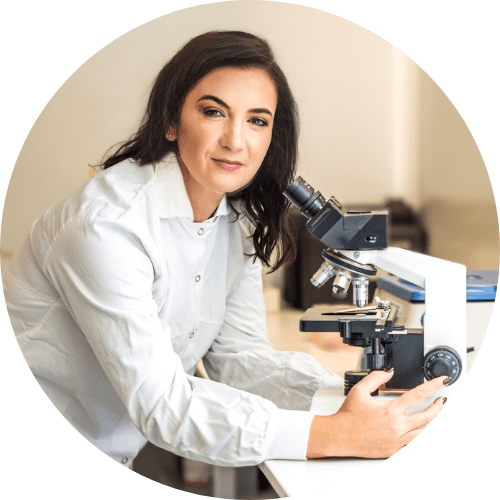
Meet Dr Judey Pretorius
Dr. Judey is a distinguished Biomedical Scientist with vast expertise in wound healing, regenerative medicine and cell therapy. Her academic accolades include a Master’s degree in Genetics and Molecular Biology and a PhD in Pharmaceutical Chemistry. As the founder of Biomedical Emporium®, she has propelled advancements in skincare by formulating innovative products that support the skin’s natural rejuvenation and repair processes.