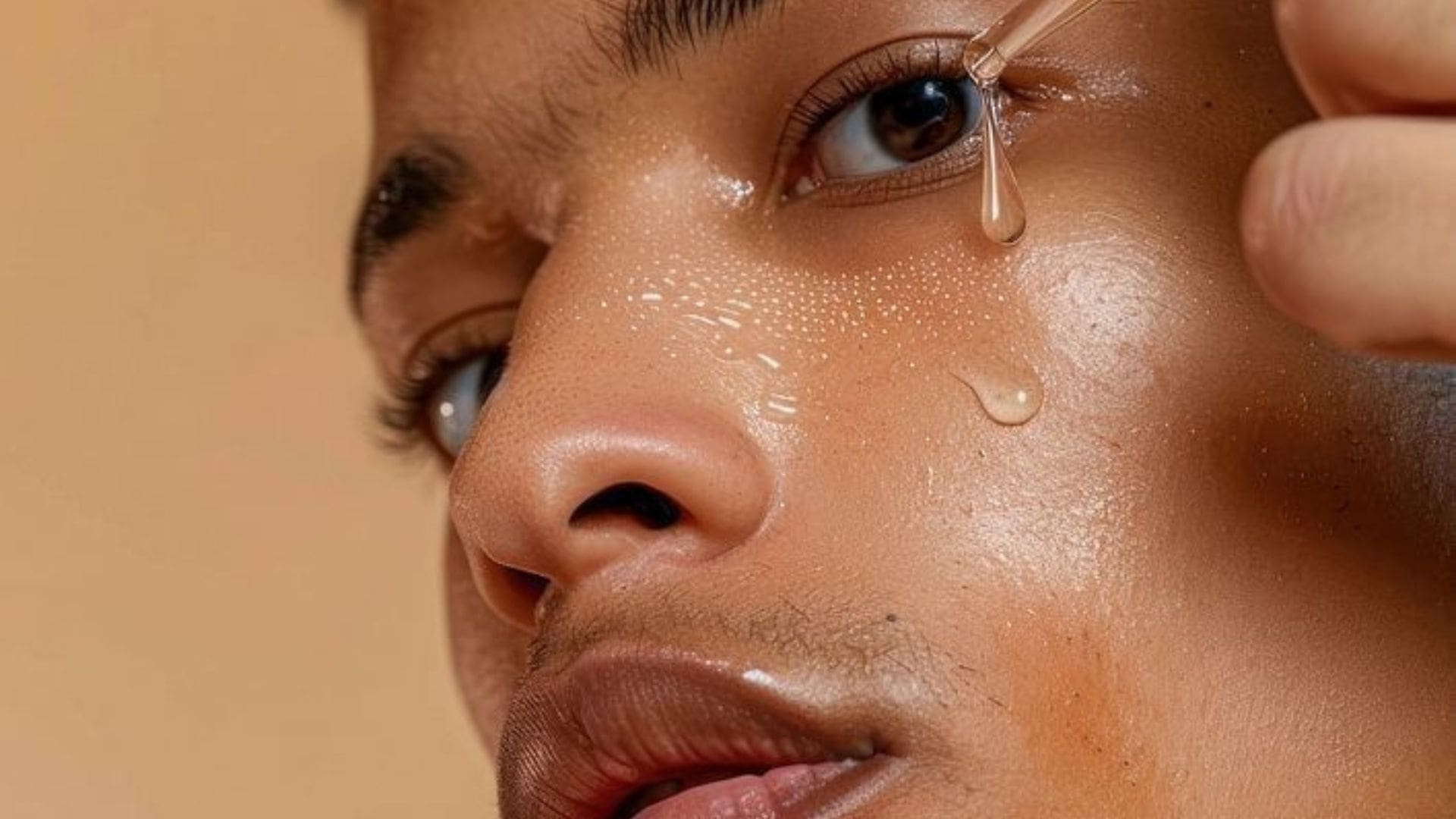
The skincare world is shifting. Radiance is no longer just about tighter or lifted skin. More people are asking a simpler question: why does my skin suddenly look tired?
Dr Alek Nikolic, a leading aesthetic medical practitioner and founder of the Dr Alek Nikolic practice, has noticed this change. He says, “Patients often arrive convinced they need fillers to restore youthfulness. But in many cases, the issue is deep hydration rather than volume loss.” True skin glow comes from within, not just the surface.
Surface Glow vs True Hydration
Skincare today delivers impressive results. Serums promise plumpness, moisturisers promise hydration, and barrier repair creams strengthen the skin’s outer layer. They help, but they can only do so much.
“Topical products improve extrinsic hydration,” explains Dr Nikolic. “They increase water content in the surface layers and strengthen the barrier. That is why skin looks instantly fresher.”
READ MORE: The New Era of Sunscreen and What It Means for Your Skin
Intrinsic hydration occurs deeper in the dermis, where collagen, elastin, and structural proteins live. This is the layer responsible for bounce, resilience, and elasticity. Treatments like hyaluronic acid injectables, chemical peels, and Dermapen treatments, when combined with hyaluronic serums, do more than coat the skin. They change its water content from within, realign collagen, increase both collagen and elastin, and improve natural moisturising factors like glycosaminoglycans.
Intrinsic vs Extrinsic Hydration
Mistaking dehydration for volume loss can lead to the wrong treatment plan. Adding structure to skin that just needs water can create unnecessary fullness without addressing dullness, fine lines, or crepey texture. True volume loss changes facial contours. Dehydration changes light reflection, elasticity, and smoothness.
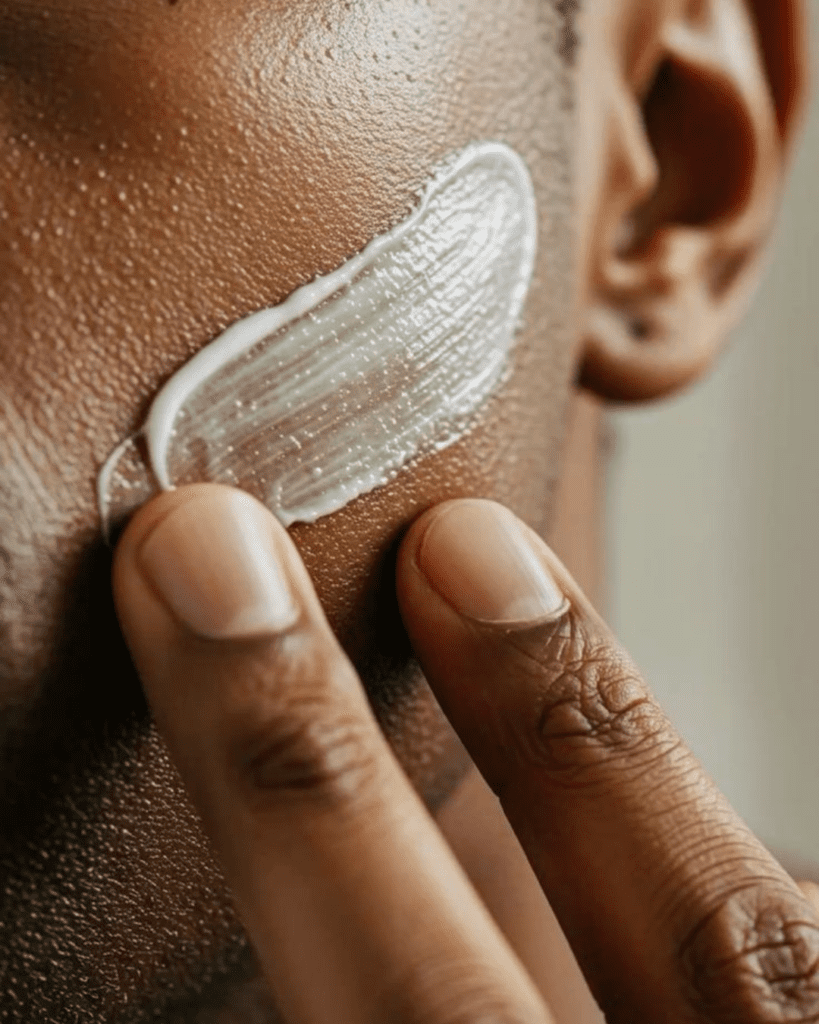
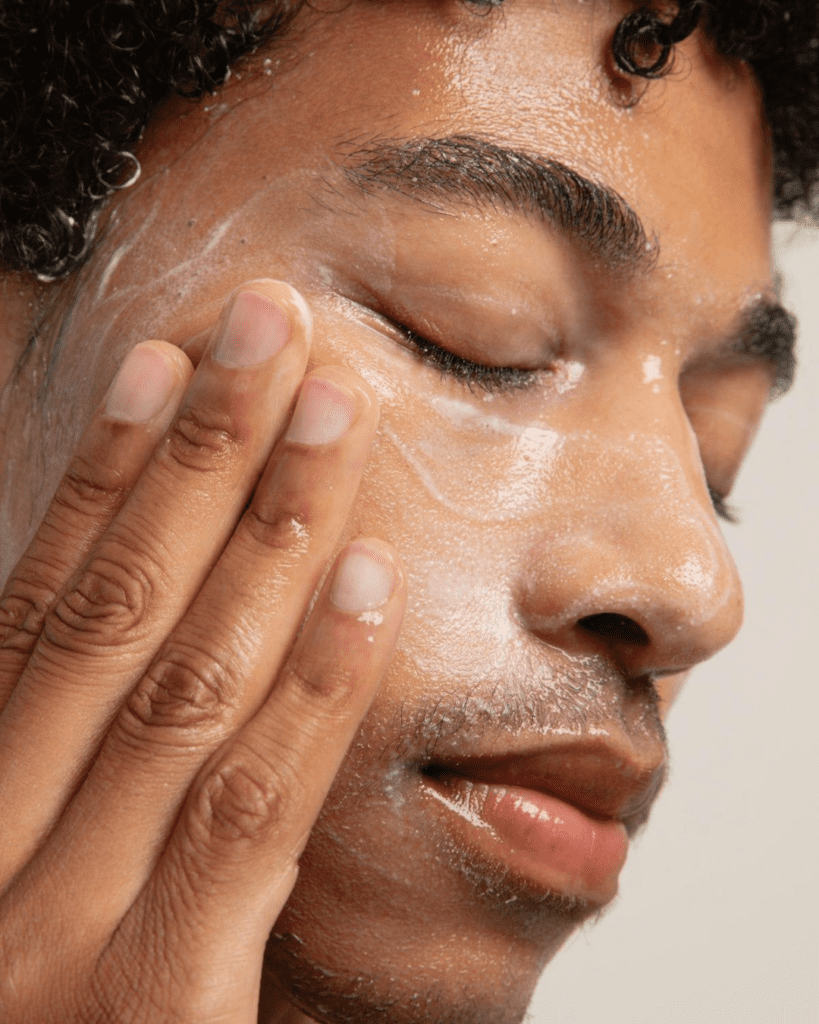
Extrinsic hydration is what you see immediately after applying a good moisturiser: softness, light reflection, and a short-lived glow. Intrinsic hydration refers to the skin’s ability to bind and retain water within the dermal matrix. When that internal water content drops, skin can look thin, crepey, or dull, even if the surface is moisturised.
READ MORE: How to Protect Your Skin in Summer, According to a Dermatology Expert
“Fine lines are often mistaken for volume loss,” says Dr Nikolic. “In many cases, they are dehydration lines. Proper dermal hydration softens these lines without adding structure.”
“When the dermis loses water, collagen fibres do not function optimally,” he explains. “Skin looks flatter and less resilient. Restoring hydration at the correct depth improves fine lines and luminosity without adding volume.”
What Injectable Hydration Actually Does
Unlike traditional fillers, injectable skin hydrators deposit hyaluronic acid just beneath the surface. The aim is water retention and stimulation, not contour. Controlled resurfacing with hydrating chemical peels supports the skin barrier while encouraging renewal. Dermapen treatments create microchannels, allowing hyaluronic acid serums to penetrate deeper and stimulate collagen.
“There is no dramatic before-and-after,” says Dr Nikolic. “Patients notice their makeup sits better, their skin reflects light differently, and it looks healthy.”
Hydrated skin is about feeling radiant and reflecting your best self. If you are chasing that coveted glow, remember true beauty starts with deeply nourished skin, far beyond any superficial fix.

Meet Dr. Alek Nikolic
Dr. Alek Nikolic is a renowned specialist in aesthetic medicine and is at the forefront of the latest developments in his field. With a focus on skin care, skin ingredients, and cosmetic dermatology treatments such as lasers, chemical peels, Botulinum toxin, and Dermal Fillers. He has performed over 20,000 procedures to date and is responsible for training many medical practitioners both locally and internationally.