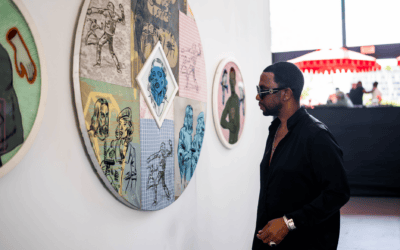
This festive season, Netflix brings South African audiences Love and Wine, a story that explores the delicate balance between authority and warmth, ambition and vulnerability, through the lens of a father and son navigating life, love and loss. At the centre of the story are Bongile Mantsai and Ntobeko Sishi, whose performances anchor the film with authenticity, humour and emotional honesty.
Men’s Health sat down with Bongile Mantsai and Ntobeko Sishi to unpack the emotional layers behind their characters and the deeper messages hidden beneath the laughter.
For Bongile Mantsai, portraying a powerful and demanding father meant finding the intersection of discipline and love. “I approached the character as many strong men are raised, with discipline, yet with quiet, steady love. Power without compassion becomes control, warmth without structure becomes weakness. I built him on both leading firmly, never from ego, always from love. That’s the balance every father seeks,” he says.
READ MORE: What to Watch This Weekend: Fatal Seduction, Hunting Jessica Brok and Cop & A Half
Mantsai wanted his character to reflect a universal truth about fatherhood: love often comes through high expectations. “Having high expectations is a way to show love. But how you show it is important. Our fathers showed love by giving things up for us; our generation is learning to add being there emotionally. I wanted to show a father who encourages his children to do better, but also makes room for their feelings and who they are.”
A Story of Resilience

The film’s father is also a man shaped by hard work and determination. “This is the story of every South African who has worked hard without taking shortcuts. In our communities, success is not handed down but earned through late nights, taking on responsibility, and believing in ourselves. This character stands for that resilience we all know, the person who will not let circumstances decide his future,” Mantsai explains.
Playing the role also reshaped Mantsai’s own understanding of leadership and fatherhood. “Leadership isn’t about being the loudest voice; it’s about being the most consistent. Fatherhood, to me, is leadership rooted in love. It has taught me to listen better, to guide with purpose and to remember that children don’t just follow what you say, they reflect who you are.”
For the actor, this story allowed him to reveal new dimensions of his craft. “I was drawn to the emotional honesty of this story. It let me explore a kind of strength that isn’t macho, but mature. Viewers will see a more vulnerable and reflective side of a man who carries responsibility yet still allows himself to feel.”
Representing South African Stories on a Global Stage
Mantsai reflects on the growing reach of local storytelling. “It’s an honour, but also huge responsibility. We’re no longer just telling stories for ourselves; the world is watching. And that pushes me to show the richness, humour, culture and depth of South Africa with authenticity. It’s powerful to know our stories can resonate globally without losing their roots.”
READ MORE: Inside the Trauma and Truth Uncovered in Showmax’s Unspoken War
He hopes audiences leave the film feeling a renewed sense of connection. “I want families to see themselves in these characters and walk away feeling closer, lighter and more hopeful. Healing, love and courage, those are the words I would use to describe this project. And I hope young South African men take away that you can be strong and soft, ambitious and present, a leader and loving. Manhood is not about shutting down emotions; it’s about mastering them.”
Mantsai also encourages viewers to pay attention to subtle cues in his performance. “The small moments, the silences, the looks, the body language. Comedy is the surface, but the truth lives in those profound beats. That’s where you’ll see a man struggle with pride, love, fear, responsibility… all the things we often hide behind jokes.”
The Son’s Perspective

For Ntobeko Sishi, playing a son grappling with identity and vulnerability was an opportunity to reflect on his own experiences. “I think we’ve all gone through a kind of identity, not crisis, but moments in our teens where we try to fit in, trying to show up a certain way to be valued and loved. It resonated with me because this character’s struggle is grounded in that desire to belong,” he says.
Sishi also had to navigate the challenge of portraying someone who hides parts of himself. “Vulnerability for me as a whole is something I bring to acting. Any character I play has to be vulnerable. You have to surrender yourself to whatever character it is, whether it is someone who hides their identity for love, or in other extreme circumstances. My prep work always involves vulnerability and surrendering to the character.”
Physical preparation for the role reflected authenticity rather than routine. “The character gyms when he wants, he gyms when he can. He does a lot of things when he feels like doing them. That approach is mirrored in my own personal routine and reflected on screen,” Sishi explains.
Lessons in Authenticity and Connection
Beyond the physical, the film taught Sishi lessons about honesty and authenticity. “Authenticity is not just sadness and pain. A lot of the time, honesty is seen as showing grief, but this character taught me that you should also be honest about joy. Celebrate the happy things in life. Play more, be less self-sympathetic.”
READ MORE: WATCH: Kings of Jo’burg Season 3 Trailer Drops—and It’s a Full-On War for the Throne
Sishi reflects on the father-son dynamic, shaped by grief and resilience. “His father uses strictness to hide grief, but the son uses playfulness to hide grief. They are hiding the same thing but in different ways. It allowed me to tap into the dynamic in a way that felt natural. We don’t have to stifle ourselves to bring out the best in someone else. Deal with it, talk about it, be honest. That’s how you understand each other.”
Onscreen Chemistry and Collaboration
Working with his co-stars also shaped the film’s energy. “Before I met Masali Baduza, I’d heard she was serious and that I needed to be on my A-game. But she was a sweetheart. It was such a joy to hang out with the cast and crew; it created a vibe that translated to the screen. The fear, relief and calm I experienced meeting her are reflected in the film.”
Balancing comedy with emotional honesty was another challenge. “The situations are insane, absurd and funny, but you must keep a straight face. And when things are sad, you have to be playful with the drama. We didn’t lean into slapstick, humour had to feel natural, organic, part of reality.”
READ MORE: What to Stream This Month on Showmax, Netflix, Disney+ and More
Sishi hopes the film sparks conversations among South African men about masculinity and vulnerability. “His father hides grief, shame and pain to protect his son. That overbearing exterior doesn’t make him a bad father. Instead of isolating yourself from grief, deal with it and connect with your child. The way a father manages emotions affects the son. Do less stifling, do more connecting.”
A Story for Families and Generations
Together, Bongile Mantsai and Ntobeko Sishi bring Love and Wine to life as a story of fatherhood, identity and authenticity. Through their performances, audiences witness the strength of vulnerability, the power of connection and the complexities of masculinity in a South African context. This festive season, the film invites families to see themselves in the characters, to laugh, reflect and walk away feeling closer, lighter and inspired by the courage it takes to lead with love.