You’ve been lectured since school days about the importance of getting seven-to-nine hours of sleep a night. Odds are, though, you’re not hitting that goal as often as you should be.
You’re not alone, either. A growing number of South Africans are falling short on sleep due to demanding schedules, high stress levels, screen time, and disruptions like load shedding.
Seven-to-nine hours of sleep isn’t a “hard-and-fast rule,” but it is generally recognised as the ideal amount to keep healthy and stay alert during the day, explains Anita Naik, D.O., a pulmonologist and sleep medicine physician. “We do know that less than six hours of sleep chronically and more than nine hours of sleep in adults can actually be detrimental to your health.”
But it’s sometimes tempting to cut corners and convince yourself that six hours is enough. Here’s the truth about how it can affect your health.
Does everyone need the same amount of sleep?
People are different, and the right amount of sleep is definitely individualised, but it still averages to about seven hours, Dr. Naik says.
“The right amount of sleep means it’s the amount of sleep that’s right for you that allows you to be alert and highly functional without being sleepy during the day,” she says.
Our culture often values less sleep and more productivity, but it’s generally not healthy, Dr. Naik emphasises.
There are some people who do well on just six hours a night, however, says Peter Polos, M.D., a sleep physician. “Most people who need seven to eight hours [may find those needs] can change over the course of life.”
How do you know if you’re getting enough sleep?
The amount of sleep you get is crucial to feeling rested. But the time you actually spend asleep and how often you wake up during the night also contributes to overall rest.
If you’re getting enough good quality sleep, you’ll wake up feeling refreshed, Dr. Naik says. You feel alert and active. You also don’t need a nap or to keep pouring yourself more cups of coffee (or rooibos, if that’s your go-to).
READ MORE: The Deep Sleep Deficit: Why You’re Not Resting Enough (and How to Fix It)
One way to know if you’re getting enough is to measure how sleepy you are during the day. A common tool is the Epworth Sleepiness Scale, which is available online.
The tool asks questions like how likely you are to nod off if you’re reading or sitting as a passenger in a car for an hour or more. A score of 10 or higher suggests you aren’t getting enough rest.
What happens if you only sleep six hours a night?
You probably won’t start nodding off at your desk on six hours of sleep—in fact, you might think you’re coping just fine.
However, you’re more likely to feel irritable and possibly anxious or low if you keep up the habit, according to health experts.
Your attention span may shorten, and your judgment and reaction time can suffer. That could affect your performance at work or put you at risk on the roads—something particularly concerning on South Africa’s busy and often unpredictable highways.
READ MORE: Time Off? Here’s How to Get More (And Better) Sleep
You might also lean more on caffeine or energy drinks to stay alert, which could create its own set of health issues.
If your sleep dips below six hours a night, your health can suffer, too.
A 2023 study published in The Lancet found that if you sleep that little, plus exercise at a high level, you may experience faster cognitive decline than those who sleep the same amount but don’t work out as intensely. This means your risk for dementia could rise. While staying active is important, sleep is the key to repairing and rejuvenating your body.
Lack of sleep may also lower your testosterone levels, increase blood pressure, and elevate your risk of cardiovascular disease, Dr. Naik says.
Over time, insufficient sleep may lower your metabolism, raise your chances of obesity, and weaken your immune system, according to the South African Society of Sleep Medicine.
How can you create and maintain good sleep habits?
If you consistently get six hours of sleep a night, it shouldn’t be that hard to prioritise rest and push that number up to seven. (Start with a 30-day sleep challenge to make it stick.)
Here are some tips:
- Stick to a schedule where you go to sleep and wake up at roughly the same times each day — even on weekends
- Avoid daytime naps if possible
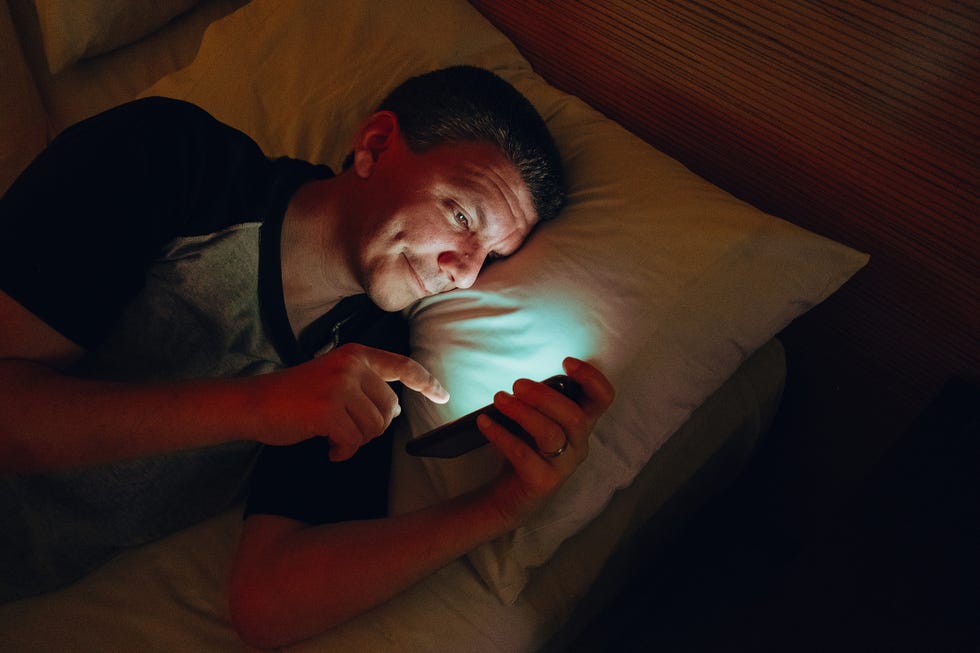
- Skip screen time before bed (Netflix and TikTok can wait)
- Don’t eat or drink close to bedtime — especially alcohol, caffeine and heavy meals
- Sleep in a cool, dark room (blackout curtains help with load shedding disruptions)
- Exercise regularly — but try to finish your workouts at least two hours before bed
Avoid pulling all-nighters. It might seem productive to power through a work deadline or late-night gaming session, but the trade-off is steep. Just one night without sleep can lead to slurred speech, poor vision, shakiness, and coordination issues.
If you’re constantly struggling to fall asleep or stay asleep — even after trying all the tips — it’s worth seeing your GP. They might refer you to a sleep clinic, like the Sleep Science Institute or a local specialist.
READ MORE: Get the Sleep You Really Need—an Expert Answers Your Most Pressing Questions
Doctors will ask about your health and sleep habits, including whether you snore or wake up with headaches, and may suggest a sleep study to get to the root of the problem.
This article was originally published on Men’s Health US – additional reporting and products added by the Men’s Health SA team.