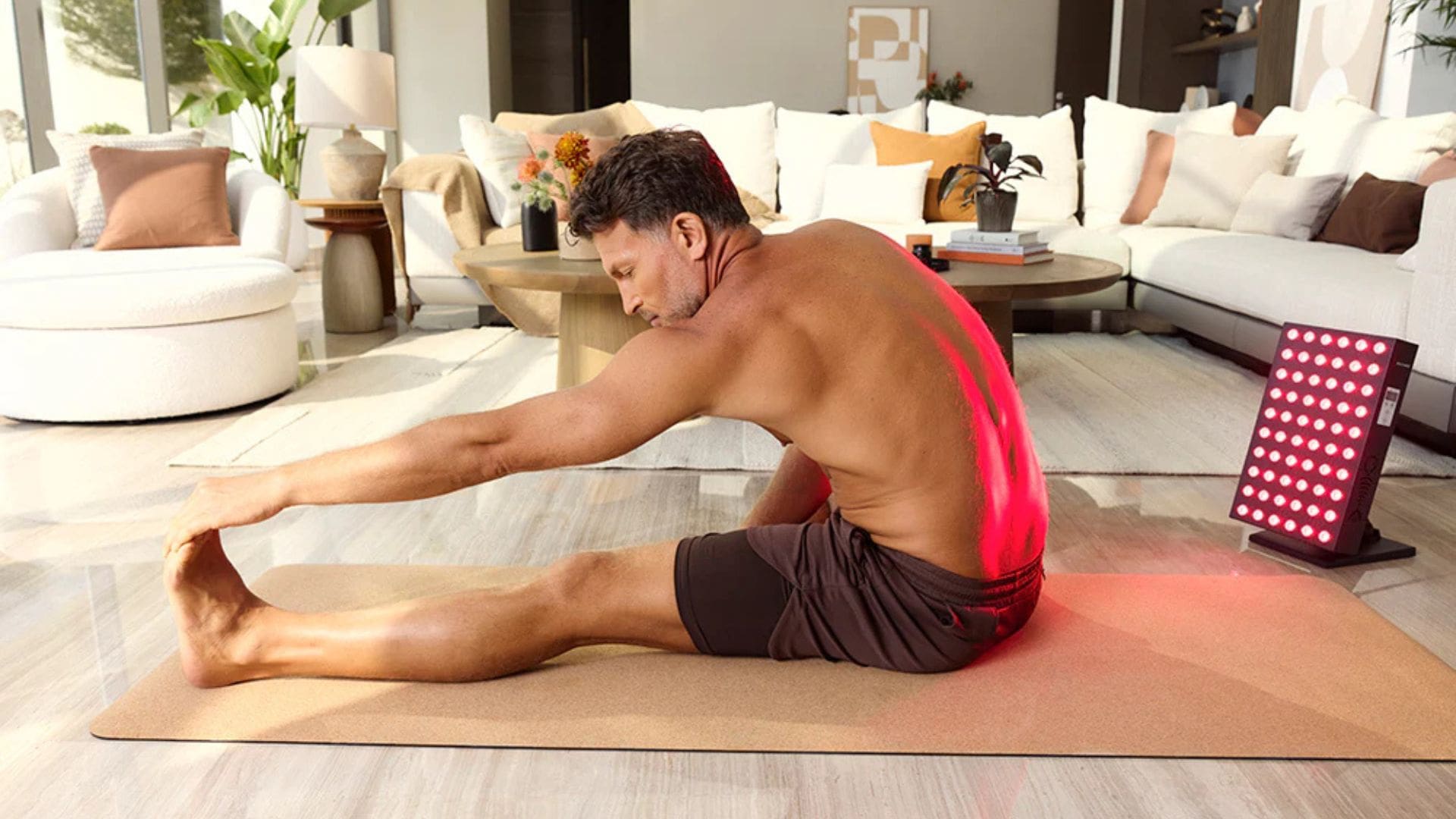
Recovery has become one of the most talked about pillars of performance. What used to mean simply rest and sleep now comes with gadgets, protocols and light-based devices that promise to speed things up. For these 30 days, I was using Bon Charge’s demi light therapy device. Red light therapy is one of them and it glows, literally.
Bon Charge Demi : Quick Summary
Pros:
- Very easy to use and set up
- Compact and easy to store
- Premium build quality
- Versatile (face or full body use)
Cons:
- Expensive upfront cost
What Is Red Light Therapy?
Red light therapy uses low levels of red and near-infrared light, delivered through panels or devices, which are thought to interact with your cells and support energy production at a deeper level. In simple terms, the idea is that it may help your body recover and function more efficiently at a cellular level.
It’s been linked, at least in early research and user reports, to a range of potential benefits including improved recovery after training, reduced inflammation, better sleep, healthier-looking skin and even support for hair growth.
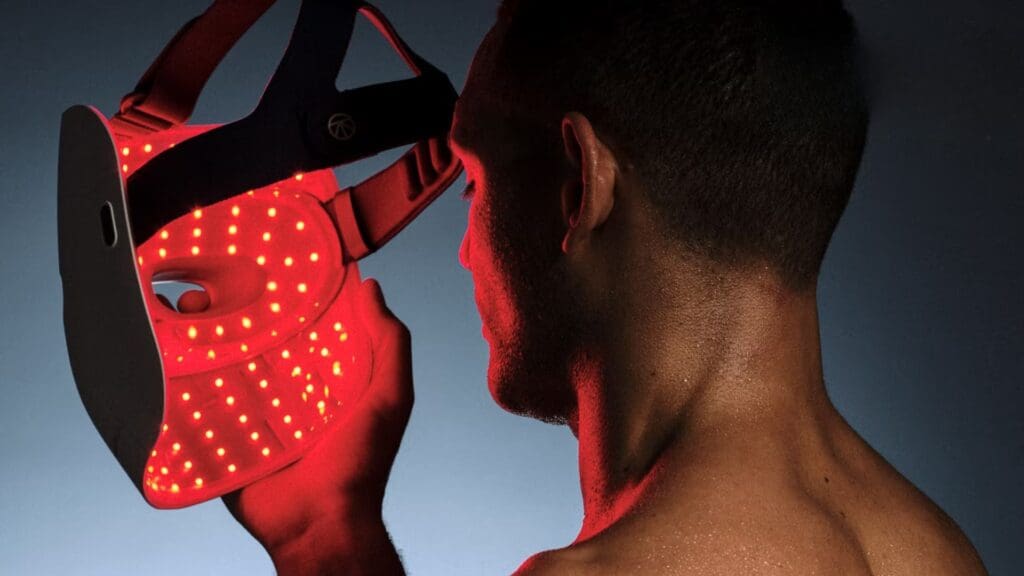
Part of its appeal is that it sits in a strange but interesting space between science and lifestyle. It’s now used in elite sport and high-performance environments, but also increasingly at home by people trying to optimise recovery and general wellbeing. It’s not a quick fix or something you “feel” immediately. Instead, it’s a consistent-use tool being explored for longer-term effects on recovery and performance.
Why I Decided to Test Bon Charge’s Panel
Injuries, fatigue and the constant demand of training were the main reasons I decided to give red light therapy a go. As a runner and someone who often trains twice a day, my body is constantly under load and in a state of recovery. So anything that claims to support that process naturally gets my attention. At first, I was sceptical. A red light helping recovery, sleep, circulation and skin all at once sounded like another wellness trend that had gone too far.
READ MORE: Want Better Sleep? Start With These Simple Habits
But after digging into the research and admittedly, listening to people like Andrew Huberman break it down, I became more open to the idea that there may be something genuinely useful here. Bon Charge made sense as a choice because of its price point relative to competitors, strong user feedback and credibility within the performance and athlete space.
How I Used It
The setup was refreshingly simple. Everything arrived compact, easy to assemble and ready to use straight away. The device has two settings: red light and near-infrared light.
Red light is generally associated with more surface-level effects such as skin health, fine lines, and overall appearance, while near-infrared light penetrates deeper and is more commonly linked to muscle recovery and tissue repair.
Sessions typically last between 10 and 25 minutes. I used protective goggles during each session, which makes the experience feel a little like lying under a tanning bed, just without the downsides. Bon Charge recommends using the device around three to four times per week, with distance ranging from roughly 15 cm to 90 cm depending on the intended outcome.
What Happened After 30 Days
The timing of this couldn’t have been better, as I was dealing with a minor foot injury when I started. Over the 30 days, I noticed subtle but noticeable changes in recovery, sleep and even my skin.
In terms of recovery, the biggest shift was how I felt the day after training. My body seemed to bounce back faster, not pain-free, but less “heavy” and less drained than usual. The usual soreness was still there at times, but there was a slight reduction in overall fatigue.
Sleep was another clear area of change. I’ve become much more aware of sleep as a performance tool and I noticed I was more relaxed going into bed after evening sessions. On nights I used the light in the evening, I seemed to fall asleep more easily and wake up feeling more restored.
Skin was a more unexpected change. After a week or so of consistent use, my complexion appeared a little smoother and more “even”, the best way I can describe it is just a healthier overall tone. One of the underrated benefits, though, was simply the time it created. Those 10–20 minutes became a pause in the day. No phone, no distractions, just standing, stretching, and switching off. It became almost meditative, which in itself felt valuable in a busy routine.
My honest experience
It’s hard to find major flaws in the experience. The biggest positives were consistency and ease. It’s simple to use, quick to integrate into a routine, and once it becomes part of the day, it requires very little thought. It also feels like a premium piece of kit, something designed to last rather than a short-term wellness trend.
READ MORE: 13 Post-Workout Foods for Faster Muscle Recovery, Backed by Science
Most importantly, the time investment felt justified by the return. Whether in recovery, sleep, or simply mental downtime, it added something meaningful to the overall routine.
Is There Actually Science Behind It?
The honest answer is: there is some interesting science here, but it’s still early and not fully settled.
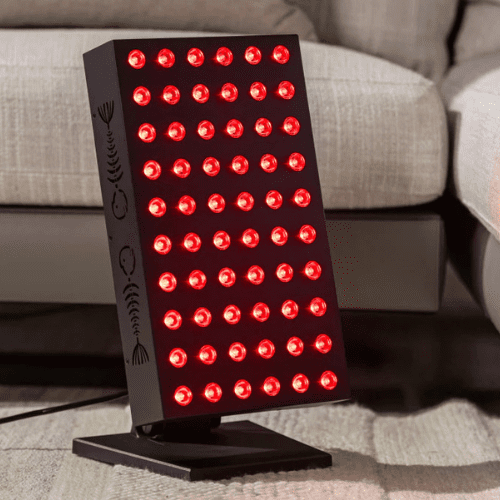
Red light therapy uses red and near-infrared light that’s thought to support mitochondria, the part of your cells responsible for energy production. In simple terms, the idea is that it may help your body produce energy more efficiently, which could support recovery and reduce inflammation.Some studies suggest potential benefits around:
- Reduced muscle soreness after training
- Supporting tissue repair and recovery
- Improved blood flow and circulation
- Possible benefits for skin health and joint discomfort
However, context matters. Much of the research is still small-scale, and outcomes vary depending on how it’s used, including timing, duration, wavelength and consistency. So while early findings are promising, particularly in recovery and performance settings, it’s not a guaranteed or uniform effect. For me, the question became less “does it work?” and more “do I notice a difference when I use it consistently?”
Final Verdict
Yes, this has become part of my regular recovery routine, both physically and mentally. It’s not cheap, but in the context of performance, injury prevention, and sleep quality, it starts to feel more like an investment than a luxury. I wouldn’t describe it as something that transforms everything overnight. Instead, it works as a small but consistent layer of support across recovery, training, and general well-being. For anyone training regularly or managing a demanding lifestyle, it’s a tool that makes sense to keep in the background.

Meet Sam Neame
Sam Neame is a U.K.-based performance coach and writer covering sleep, performance, fitness, and longevity. Working with Olympic athletes and high-performing individuals, his work explores the intersection of recovery, health, and sustainable performance, and how better habits can help people perform, feel, and live better over time.