Words by Ekow Barnes
In the intricate weave of human society, men are often defined by expectations of stoicism, pragmatism, and emotionlessness, especially when facing adversity. Any deviation from this societal blueprint is frequently cast as weak, unmanly, or outright unacceptable. While the specifics of what constitutes manhood might vary from one corner of the world to another, common threads of immense physical and mental strength, the role of provider and protector run through these societal norms.
READ MORE: 11 Surprising Stress Side-Effects (And Five Effective Ways to Lower Your Levels)
The Ghanaian Experience: A Stoic Upbringing
Growing up in Ghana, I’ve been immersed in a culture where expressing emotions or seeking help was not just discouraged; it was met with derision. Phrases like “Barima nsu” (a man doesn’t cry) and “wo ny3 barima?” (aren’t you a man?) serve not just as words but as mandates, reinforcing the suppression of feelings. This cultural backdrop led many, including myself, to bottle up emotions, leading to internal torment because vulnerability was not an option. One way of addressing this is by considering silent retreats to find some solace.
The Pressure to Succeed
A man’s worth is often measured by his career trajectory. Societal expectations dictate that climbing the corporate ladder and being the family provider is not just a goal but a benchmark of success. Falling short of these standards can lead to profound feelings of inadequacy. This pressure can push men to extremes, from engaging in risky behaviours to considering suicide. According to the International Association for Suicide Prevention, around 700,000 people die by suicide each year, with men at twice the risk, largely due to existential fears and societal expectations. Silent retreats can provide a much-needed break from these pressures.
My Struggle with Society’s Expectations

Facing these pressures, I too found myself suppressing emotions, only to later confront growing anger and resentment. This realisation was pivotal, pushing me to address these feelings before they became overwhelming. Silent retreats played a key role in this personal transformation.
The Paradox of Social Media
While social media has begun to shed light on these issues, it also magnifies the problem. The curated portrayals of success online can intensify feelings of failure when one’s reality doesn’t match up, making silent retreats a valuable tool for reflection.
A Shared Predicament
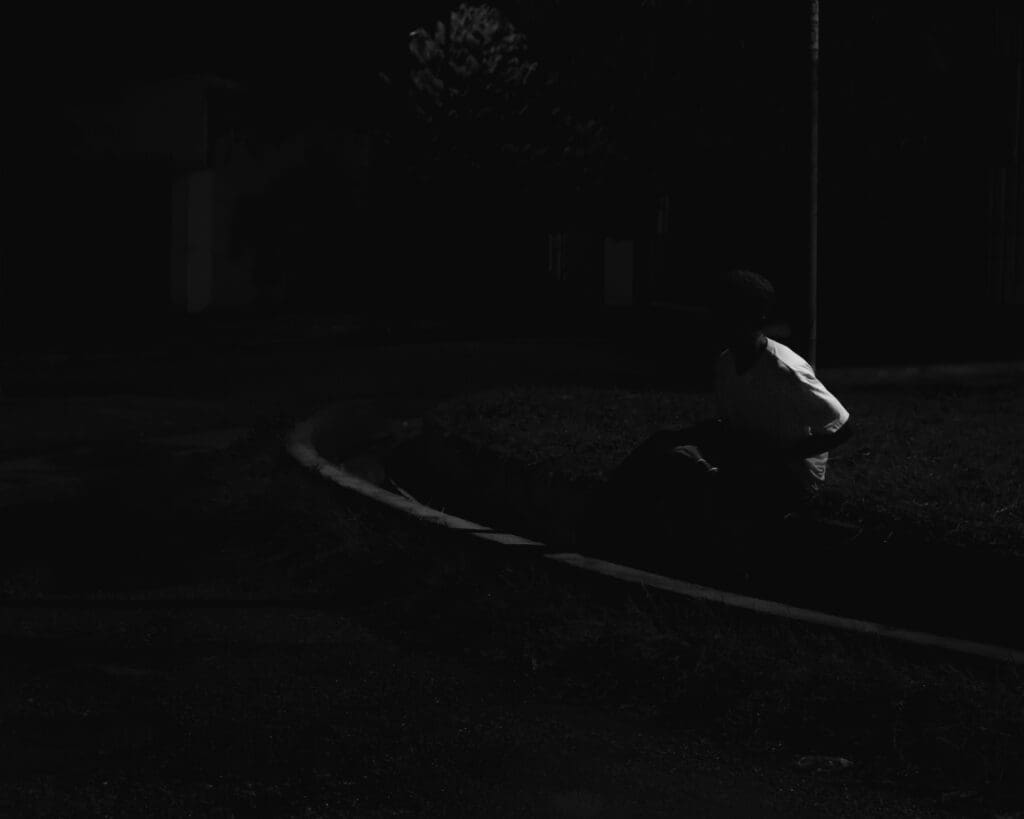
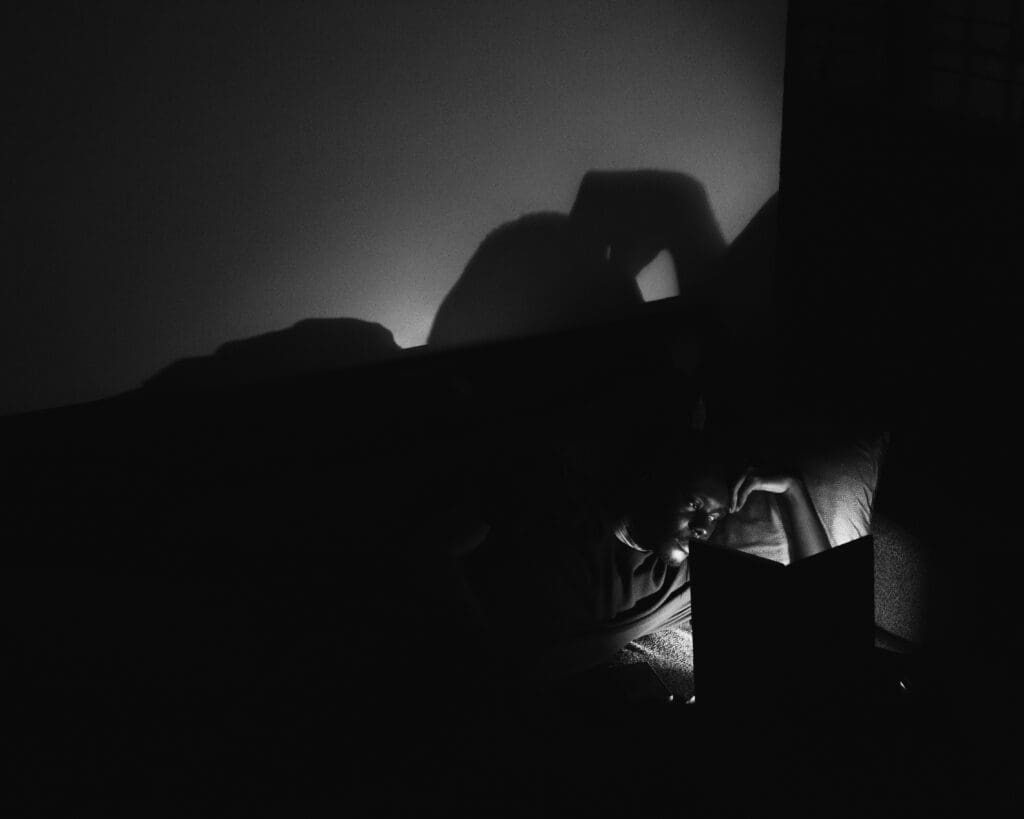
In moments of reflection, I questioned if my struggles were unique. Engaging with peers revealed a shared narrative; even the most outwardly successful felt these societal weights, proving this burden transcends socioeconomic status. Silent retreats often revealed our shared experiences.
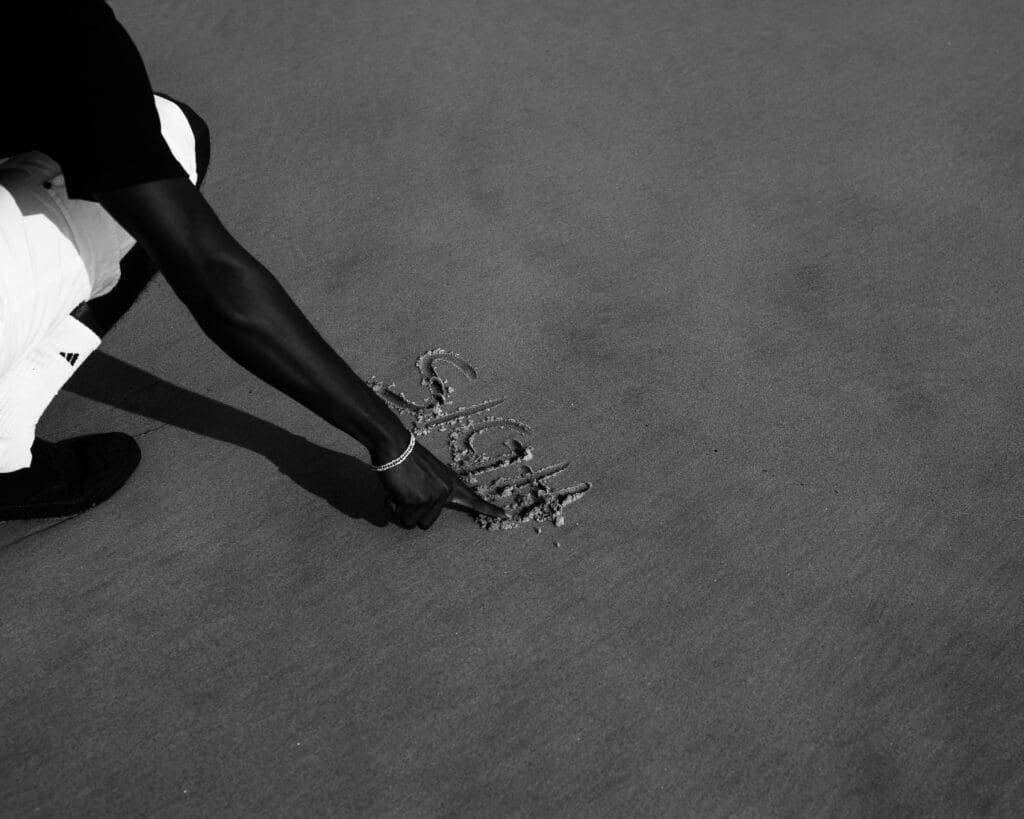
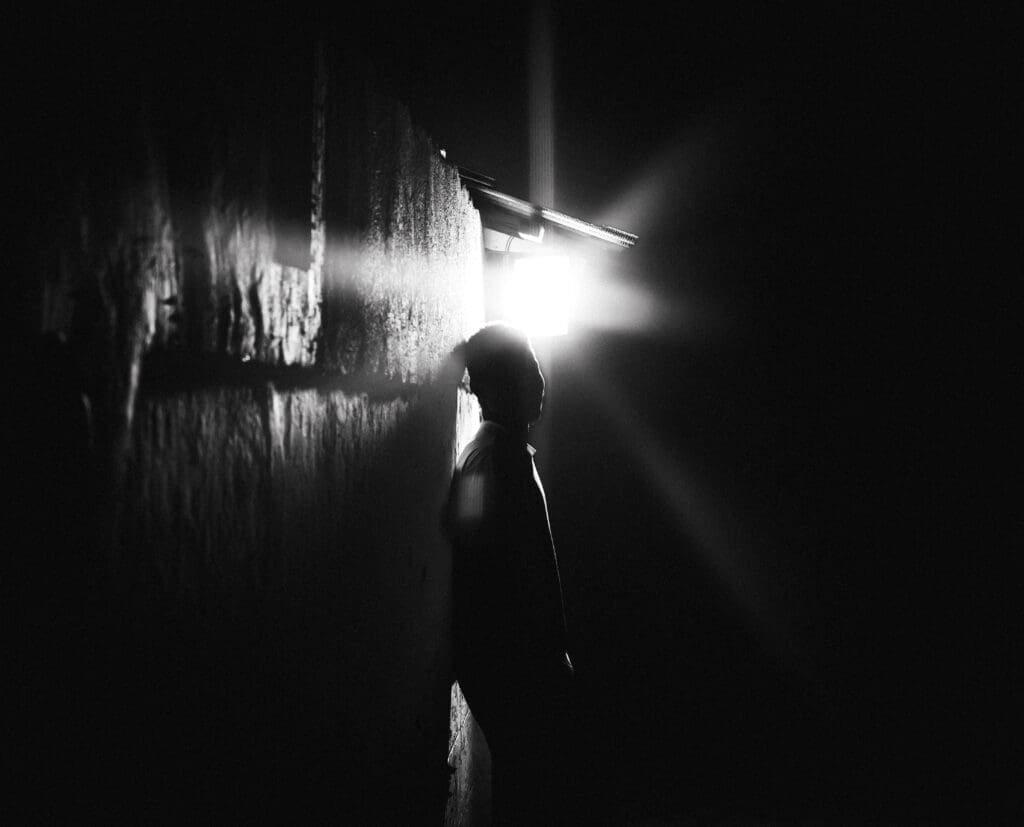
“Silent Retreats” emerged from these personal and collective insights. This photography project aims to:
- Acknowledge: The often overlooked emotional health of men due to societal constructs.
- Encourage Discussion: About the modern definitions of masculinity.
- Advocate for Change: Towards a narrative where emotional openness in men is not just accepted but celebrated.
READ MORE: How Silent Discos Are Redefining Wellness Through Music and Mindfulness
“Silent Retreats” transcends mere photography; it’s a call to action. By visually exploring the inner solitude of men, it seeks to dismantle the silence around men’s mental health. This project champions a world where being a man doesn’t equate to being alone with one’s struggles. Through this work, I aim to ignite a conversation that redefines masculinity, embracing vulnerability as strength, and encourages men to seek help, share, and heal openly.
A Photography Project by Nana Asomani