i come from the denim era where streetwear juggernauts like FUBU and Rocawear reigned supreme, along with mall favourites like Abercrombie & Fitch and Hollister. I was in my preteens rocking all these clothing brands and you couldn’t tell me their baggy-stacking-at-the-shoe jeans weren’t the flyest on the market. Since I began working as a fashion editor, I’ve practically worn every pair of jeans in the denim universe. Slim, relaxed, stretch, washed, distressed—you name it, I’ve probably tried it. I’ve even tried my hand at denim-making in Japan, the mecca of old-school, high-quality denim, where I produced my own pair of selvedge jeans. Denim is one of those rare items in a guy’s wardrobe that never goes out of style.
RELATED: How to Keep Your Jeans Looking Fresh: A Step-by-Step Guide
And after years of being in the menswear space, I’ve gotten familiar with the nuances that distinguish one kind of denim from the next. Two worth knowing are regular denim and raw denim. Raw denim usually looks darker, stiffer, and more uniform in colour, while regular denim has a softer feel and a more broken-in appearance with visible fading or whiskering from factory washing and finishing. Those differences also affect how each pair feels when you first put it on and how it changes over the years. Here’s what to know about both and which one deserves a spot in your rotation.
What Is Regular Denim?
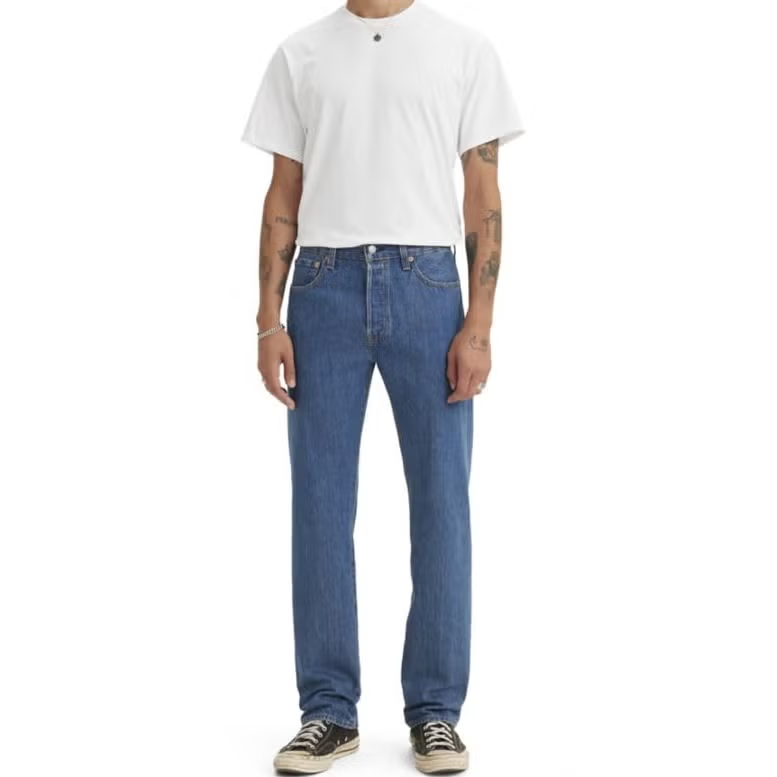
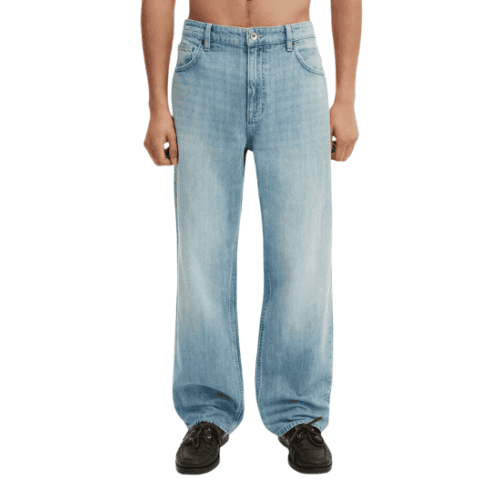
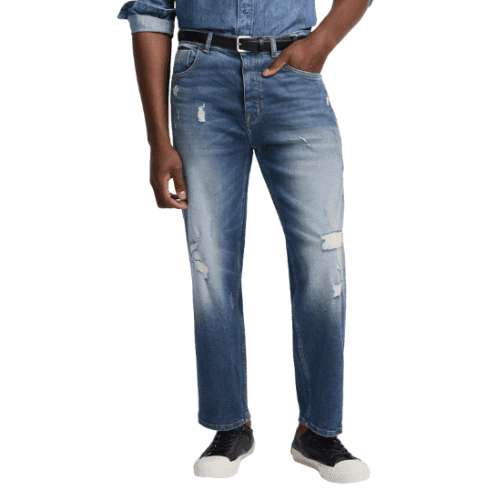
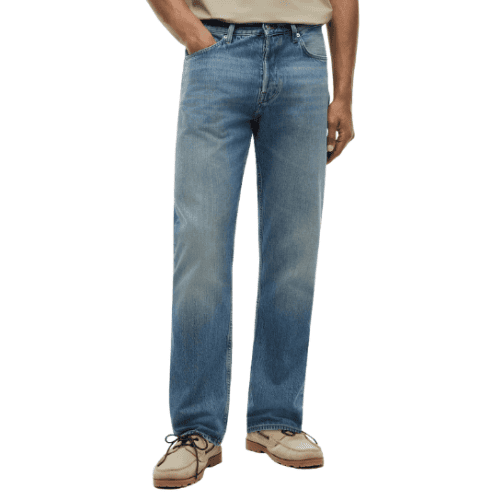
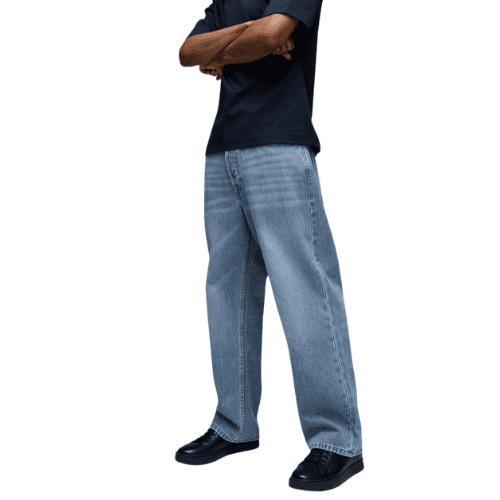
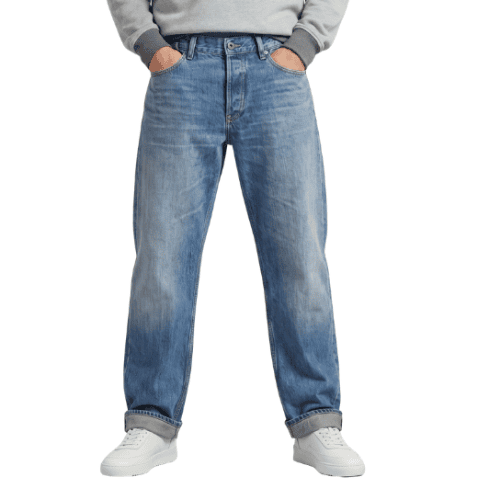
Regular jeans are usually made by weaving cotton yarn into denim, then cutting fabric into patterns and sewing them together to create the finished garment. These jeans have already gone through washing or finishing treatments to soften the fabric and give them that broken-in look, so you don’t have to spend weeks waiting for them to feel comfortable. If I want to throw on a pair of jeans and get on with my day, this is the kind I’m reaching for. I also like that you can find them in practically every fit and wash, whether you’re after a clean, dark indigo pair or something faded and lived-in. Most everyday options from brands like Relay Jeans and Levi’s range from around R599 to R2,000, while designer and premium styles can cost considerably more. For me, pre-washed denim makes the most sense when you want that comfortable feel from the jump. There’s nothing wrong with skipping the break-in period and getting straight to the good part.
What Is Raw Denim?
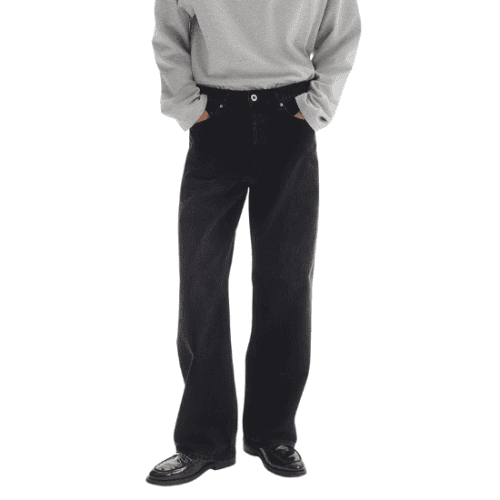
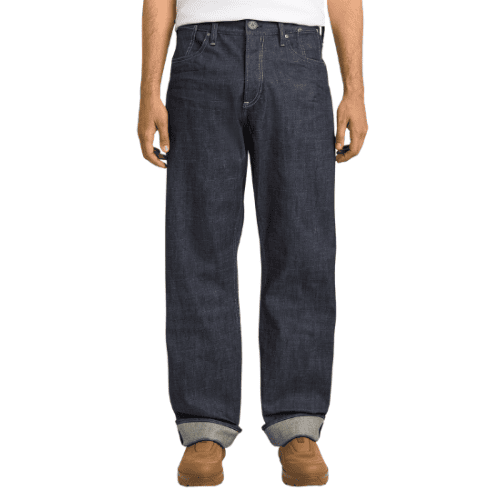
I like raw denim because you get to see how jeans change the more you wear them. Unlike pre-washed jeans, raw denim typically hasn’t been washed after the dyeing and manufacturing process, so it typically arrives stiff, dark, and pretty rigid. One thing to watch out for, though, is dye transfer. Indigo can rub off onto lighter-coloured clothes, shoes, and other materials, including suede. I’ve had this happen before, so I’d be mindful of what you wear with a fresh pair. But that’s part of the appeal for denim enthusiasts. As you wear it, the fabric softens and develops fades and creases based on how you move, sit, and live in your jeans. You’re essentially breaking them in yourself, which makes the finished look feel uniquely yours. Prices for raw denim start at around R1,899 and can reach R6,999 or more for premium denim, particularly Japanese-made styles. I’ll admit, the break-in period takes some patience, but if you enjoy watching your jeans evolve over time, raw denim is worth considering.
Raw Denim vs. Selvedge Denim: What’s the Difference?
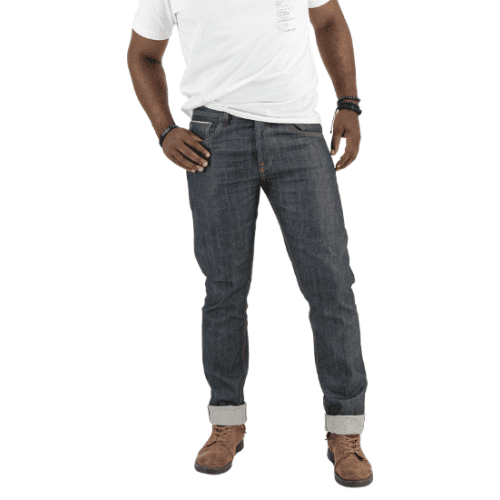
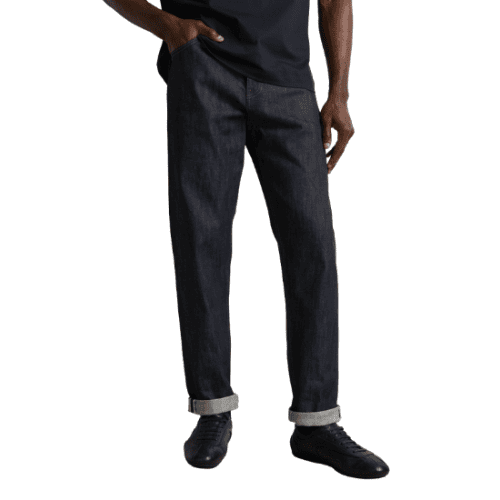
Raw denim and selvedge denim get lumped together all the time, but they actually refer to different things. Raw denim describes the fabric’s finishing state: It’s typically sold without a post-production wash that softens the fabric or creates a faded look. Selvedge, on the other hand, refers to how the denim is woven, creating a clean, self-finished edge you can often spot by rolling up the cuff. You can have raw selvedge denim, washed selvedge denim, or raw denim that isn’t selvedge at all. Having made my own pair of selvedge jeans in Japan, I’ve seen firsthand how the construction differs. Once you know what to look for, the distinction is pretty easy to spot.
Verdict
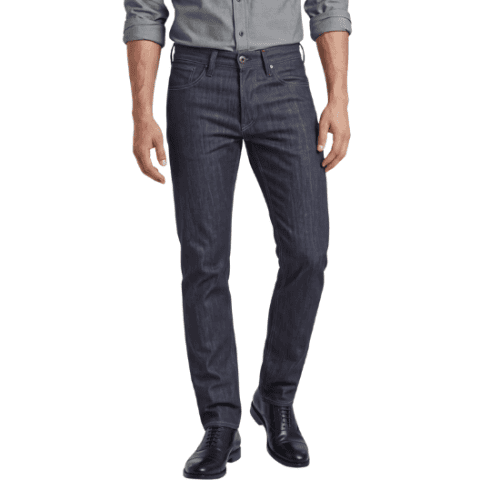
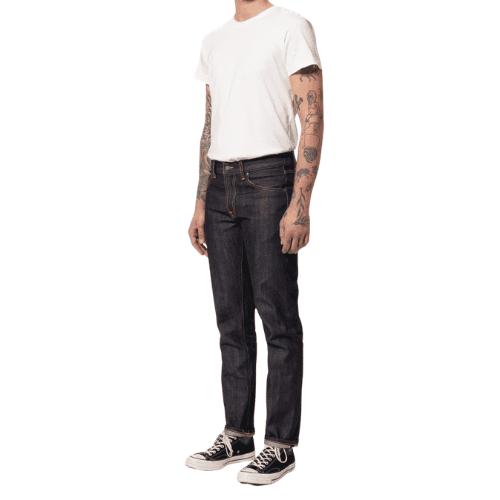
At the end of the day, I don’t think you need to drop a hefty price on raw denim to dress well. After years of working in menswear, I’ve learned that a higher price tag doesn’t automatically make something the right choice for your wardrobe. I’ve seen guys look just as good in an affordable pair of Levi’s as they do in premium Japanese denim.
RELATED: Get the Look: How to Style Bootcut Jeans Like Kendrick Lamar’s Super Bowl Outfit
What matters more is finding comfortable jeans that fit your body and work with the clothes you already own. I’m always going to appreciate the quality craftsmanship behind a great pair of raw denim, but there’s no single right way to wear jeans. I think every guy should have one dependable pair, whether that’s raw or pre-washed. But ultimately, like most things in style, it comes down to personal preference—and knowing what works for you.
This article originally appeared on menshealth.com – additional reporting and products added by the Men’s Health SA team.