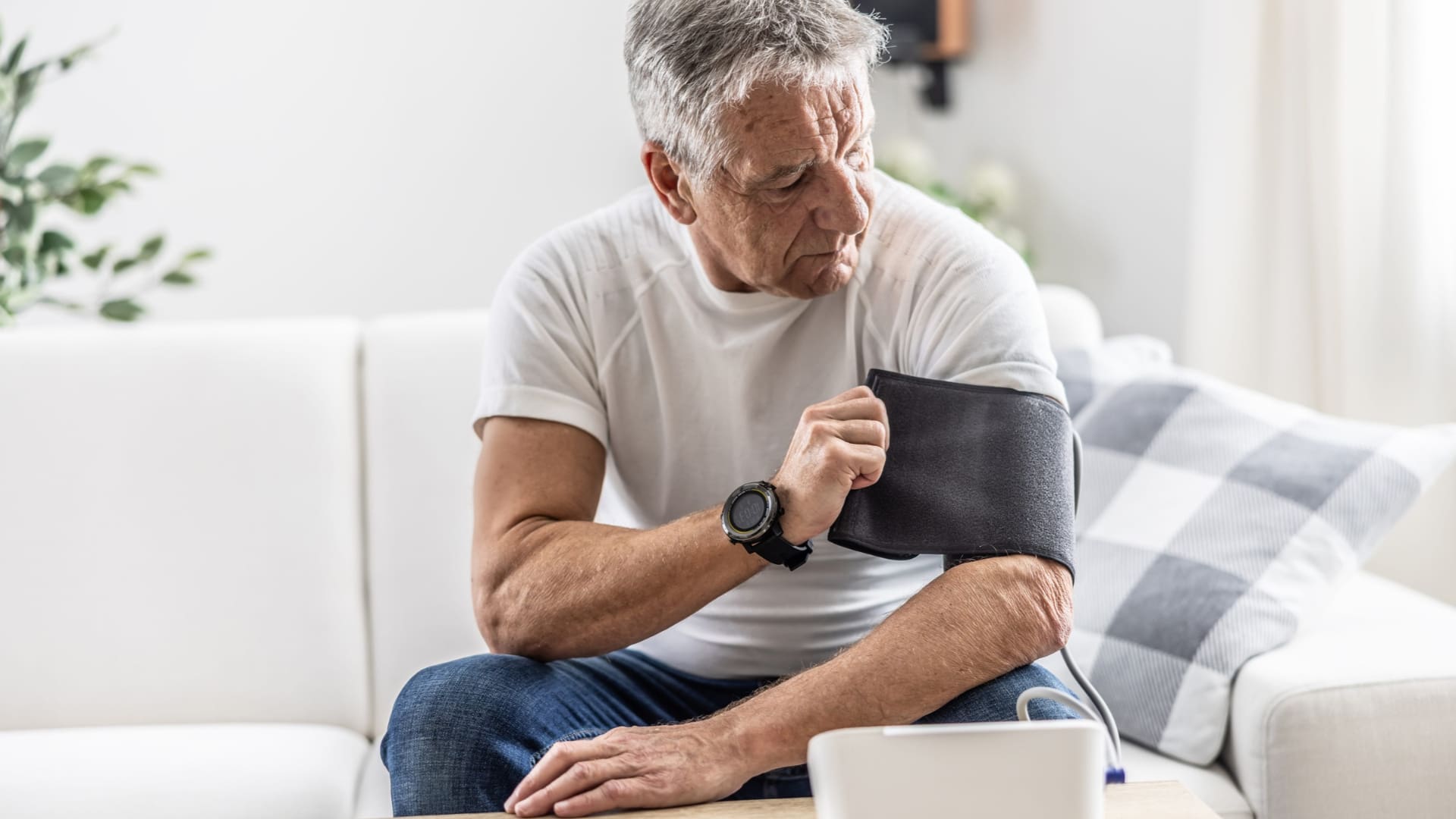
High blood pressure is one of the biggest risk factors for stroke, particularly among men. A study published in Frontiers found that high systolic blood pressure was responsible for an estimated 1.77 million stroke deaths among men worldwide in 2019, with men also experiencing higher stroke mortality rates due to high blood pressure than women.
High blood pressure typically causes no obvious symptoms, meaning many men could be living with the condition without realising it. However, according to Dr Francesco Lo Monaco, consultant cardiologist and founder of the National Longevity Clinic, a simple blood pressure check could be one of the most important steps you take to protect your long-term health.
‘High blood pressure is one of the most important risk factors we can identify and treat to reduce the risk of stroke. The difficulty is that many people assume they are healthy because they feel well,’ Dr Lo Monaco says.
‘You cannot reliably tell whether your blood pressure is high by how you feel. Someone can be active, appear healthy and have no symptoms at all, yet still have elevated readings that need attention. That is why checking your blood pressure is such a simple but important step in protecting your long-term health,’ he adds.
How Does High Blood Pressure Increase Your Risk of Stroke?
According to the NHS, consistently elevated blood pressure can damage your arteries, causing them to become narrower and stiffer. Over time, this can encourage the build-up of fatty deposits, increasing the likelihood of blood clots that could block blood flow to the brain. High blood pressure can also weaken blood vessels, increasing the risk of bleeding in the brain.
RELATED: NEW STUDY: Could This 48-Hour Diet Actually Reduce Your Cholesterol?
‘Blood pressure is only one part of the picture,’ he says. ‘Cholesterol, diabetes, smoking, alcohol intake, physical activity, diet and family history can all influence cardiovascular risk. Looking at these factors together gives us a better understanding of where someone may need to make changes or seek treatment.’
How to Check Your Blood Pressure and Reduce Your Stroke Risk
Blood pressure is generally considered high when readings reach 140/90mmHg or above at a GP surgery, or 135/85mmHg or above when measured at home, according to the NHS. However, an isolated high reading doesn’t necessarily mean you have hypertension, and further monitoring may be recommended.
There are also several lifestyle changes that can help manage blood pressure, including regular exercise, reducing your salt intake, eating a balanced diet, limiting alcohol and avoiding smoking.
RELATED: How Monitoring Your Blood Pressure Can Transform Your Health
‘The most effective approach is not to focus on one magic food or supplement,’ says Dr Lo Monaco. ‘It is about understanding your individual risk, checking your blood pressure and cholesterol, and addressing problems early.’
If your readings are consistently high, it’s worth speaking to your GP about the next steps, which may include lifestyle adjustments or medication.
Dr Lo Monaco recommends: ‘If you discover that your blood pressure is high, do not panic – but do not ignore it either. Speak to a healthcare professional about what your results mean and whether lifestyle changes, medication or both are appropriate.’

What Are the Warning Signs of a Stroke?
The NHS recommends remembering the FAST acronym:
- Face: One side of the face may droop, or the person may struggle to smile.
- Arms: They may be unable to lift both arms or keep them raised.
- Speech: Their speech may become slurred or difficult to understand.
- Time: Call 10177 immediately if you notice any of these symptoms.
RELATED: These 5 Potassium-Rich Foods Can Help Fight High Blood Pressure
Other warning signs can include sudden vision problems, numbness or weakness, dizziness, confusion or an unusually severe headache. If you suspect someone is having a stroke, seek emergency medical assistance immediately, even if their symptoms appear to improve.
This article by Kate Neudecker originally appeared on menshealth.com/uk