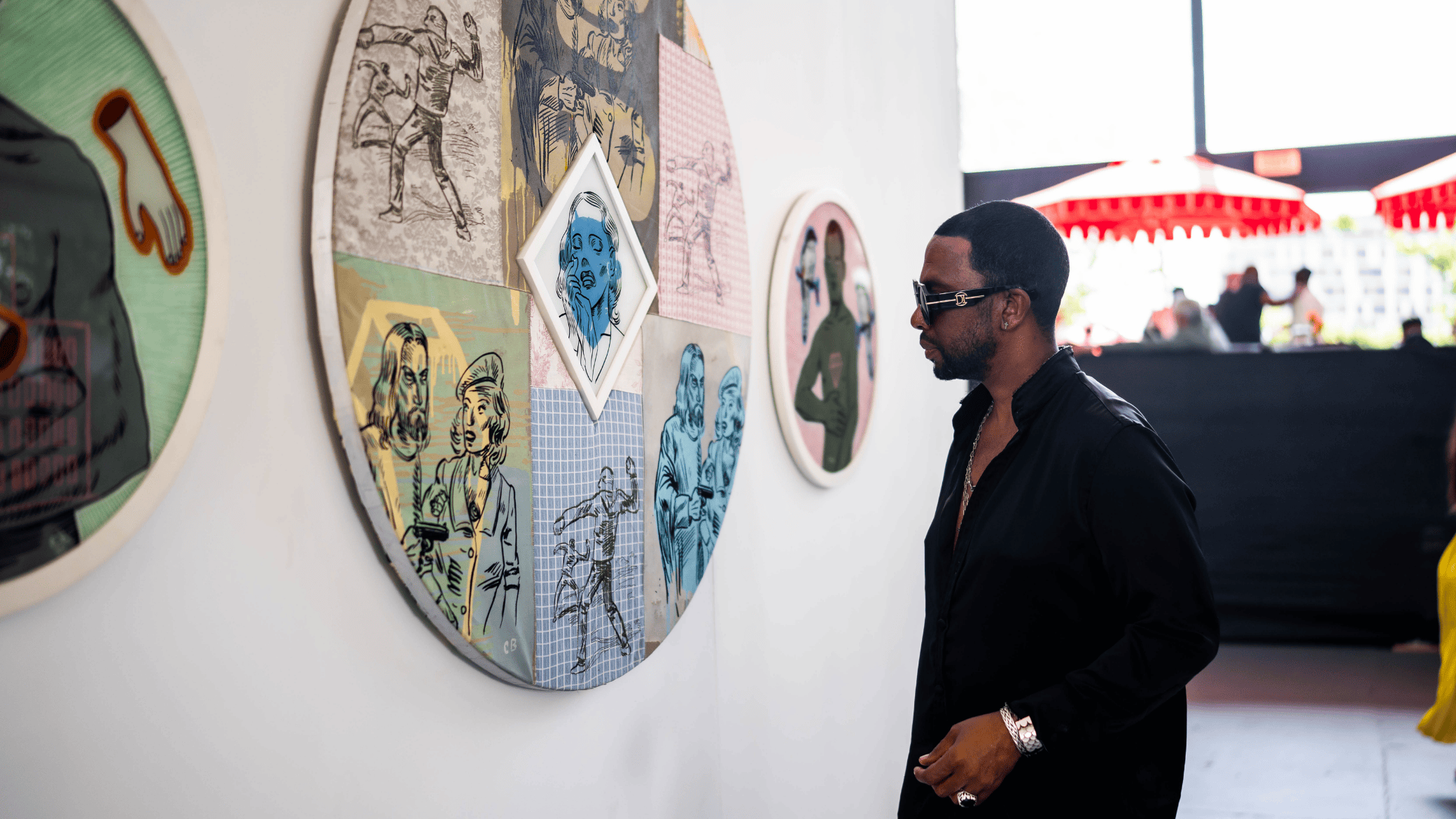
Looking at art could do more than give you something interesting to think about. Research found that viewing original artworks was associated with a drop in participants’ cortisol, a hormone linked to stress. But what makes an artwork affect us, and do you need to know anything about art to benefit from the experience?
A King’s College London study followed 50 adults as they viewed original works by artists including Vincent van Gogh and Édouard Manet, as well as reproductions of those works. Participants’ cortisol levels fell by 22% after viewing the original artworks, compared with an 8% drop after viewing reproductions. The researchers also reported effects on the body’s immune, endocrine and autonomic systems.
For Dr Paul Bayliss, Senior Specialist in Art and Museum Curator at Absa Group, the experience of art depends partly on the conditions in which people encounter it. “In my experience, the strongest magic in creativity, aside from creating art itself, occurs when art is experienced under the appropriate circumstances,” he says. “The result of such an experience can bring a new feeling to audiences.”
Bayliss says Absa displays art across its buildings, including workspaces, boardrooms and client areas. The intention is to bring colour, creativity and visual interest into those environments. He believes thoughtfully chosen artworks can make an office more engaging, encourage fresh perspectives and help colleagues feel comfortable and motivated. Displaying work by artists from different cultures can also make people feel seen and represented, he says. Bayliss adds that research has shown aesthetically pleasing environments can help reduce stress and create a more positive atmosphere.
Why Looking Closely Can Change the Experience
Spending more time with an artwork can reveal details that are easy to miss at first glance. Bayliss encourages viewers to notice the direction of a brushstroke, the texture of a canvas, or the depth of colour. Those details may prompt someone to pause and take in what they are seeing. In a workplace, a well-curated installation can also make a space feel more welcoming to clients, partners, colleagues and visitors. Bayliss says it can demonstrate an organisation’s commitment to quality and creativity. He adds that people who work in thoughtfully designed spaces often feel greater pride in their workplace, which can contribute to stronger engagement and a closer connection to the organisation.
RELATED: Looking at Art Is Proven to Lower Stress – Here’s How (And Why) It Works
You do not, however, need to understand an artwork’s meaning or technique to connect with it. Bayliss says a work can move someone through its colour, atmosphere or subject matter, or because it brings up a memory or feeling. Learning about the artist’s intentions, the symbolism in a piece or the techniques used to make it can reveal additional layers of meaning. But, he says, knowledge should enrich an emotional response rather than replace it. There is value both in an immediate, instinctive connection and in the curiosity that comes from learning more. “Art’s power lies in its ability to meet people where they are, whether they are responding with emotion, curiosity, analysis or all three,” he says.
You Don’t Need to Know About Art to Visit a Gallery
If a gallery feels intimidating, Bayliss’s advice is simple: go anyway. You do not need a background in art, knowledge of an artist’s history or an understanding of every technique to have a meaningful experience. “The most important qualification for visiting a gallery is curiosity,” he says.
There is no single correct response to a work of art. It might bring back a memory, make you feel something unexpected, raise a question or simply catch your eye because of its colour or shape. Bayliss describes galleries as spaces for exploration rather than examination. Nobody is testing your knowledge, and there is no expectation that you understand everything you see.
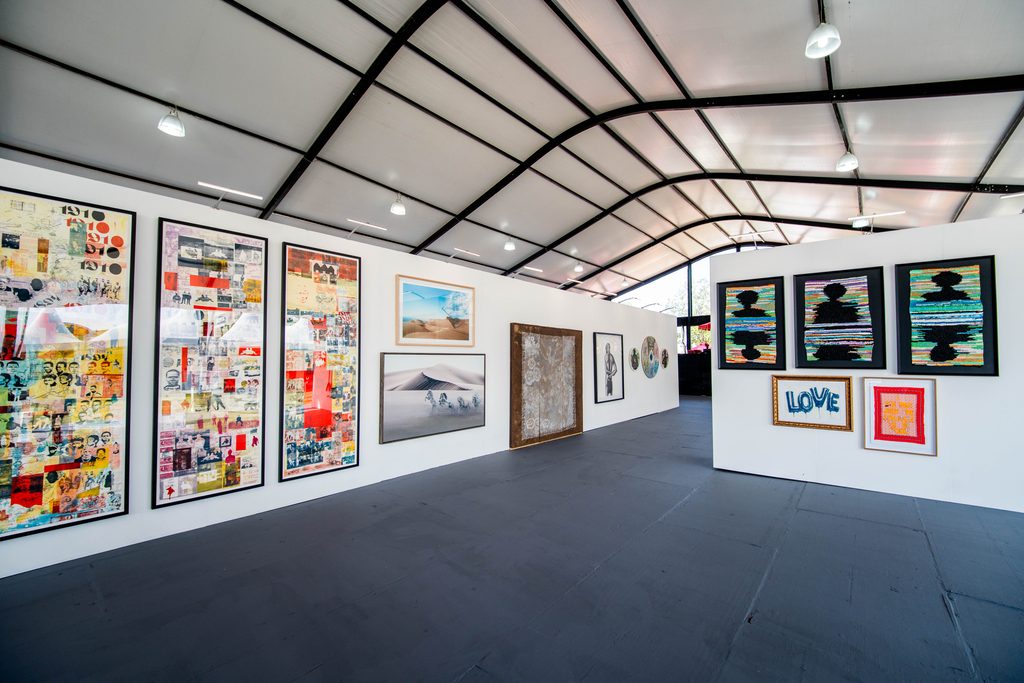
He encourages first-time visitors to slow down and trust their instincts. Spend time with the pieces you enjoy, find intriguing or do not understand. The conversation between the viewer and the artwork is where meaning begins, he says. Art belongs to everyone, and some of the most rewarding gallery visits begin with nothing more than an open mind.
RELATED: Feeling Stressed Out? Playing “The Legend of Zelda” Could Be the Cure
You can also make looking at art a small practice in paying attention. Bayliss suggests spending a minute or two with a work without trying to understand it straight away. Notice what draws your attention first and give yourself time to observe. “Looking at art can be a form of mindfulness,” he says. “The value isn’t always in finding the correct interpretation but in taking the time to observe, reflect and be present.” Sometimes, he adds, an artwork reveals something about the viewer as much as it reveals something about the artist.
Making Art Can Be for Everyone
The King’s College London study looked at viewing art, but Bayliss says you do not need to be an artist to benefit from making it. Creating something by hand can give people a chance to slow down, focus and pay attention to the present. He says it can also support mindfulness and give people an outlet for emotions that may be difficult to put into words. For Bayliss, the value is in the process, not just the finished work. Experimenting, solving problems and watching an idea take shape can be rewarding. Making art may also build confidence, encourage curiosity and help people explore different perspectives.
RELATED: 11 Surprising Stress Side-Effects (And Five Effective Ways to Lower Your Levels)
Those skills can be useful beyond a creative hobby, he says, including at work, in relationships and in personal growth. Drawing for the first time or simply playing with colour and materials can be enjoyable and fulfilling. Creativity, in his view, is not reserved for people who already consider themselves creative.
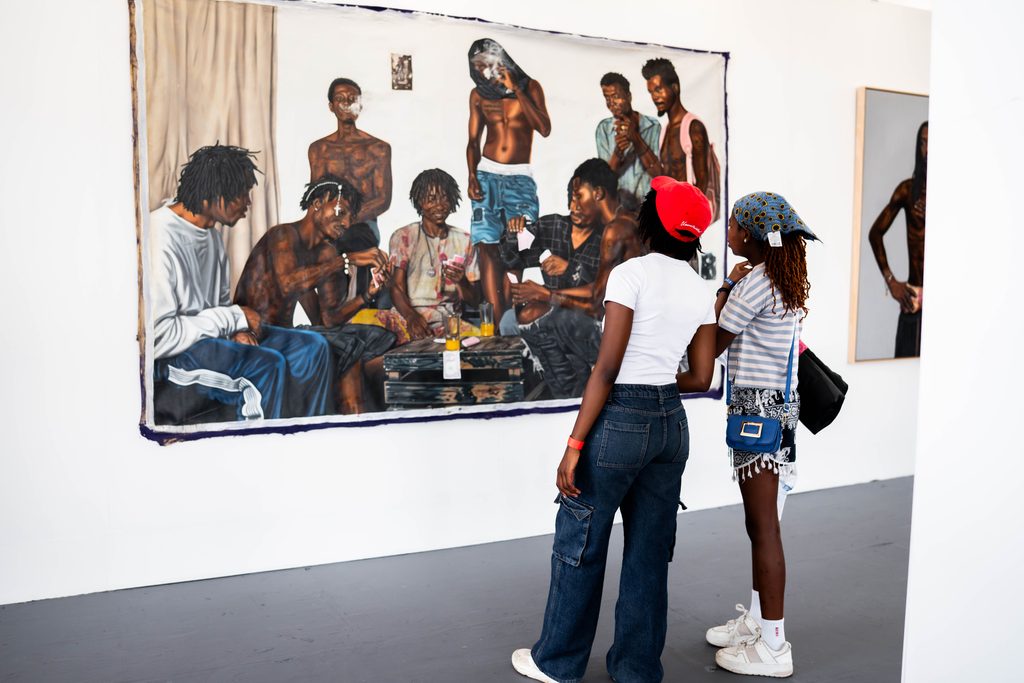
And art does not have to be found in a gallery. Bayliss says some of the most meaningful encounters happen in the places we move through every day, from neighbourhood streets and parks to workplaces and homes. What matters is staying open to the chance to look, wonder, reflect and create.
How the 2026 Absa L’Atelier Awards Support Emerging Artists
The 2026 Absa L’Atelier Art Competition celebrated 40 years of supporting emerging visual artists across Africa. Its four winners were announced at the Absa L’Atelier Art & Lifestyle Fair at Waterfall City Park on 10 October.




The three Absa L’Atelier Art Ambassador Award winners were Reginald Boateng of Ghana, Emmanuel Chisenga of Zambia and Segun Owolabi of Nigeria. South African artist Treasure Mlima received the Absa L’Atelier Art Gerard Sekoto Award.
This year’s competition attracted a record number of registrations and hundreds of eligible entries from artists across Absa’s 12 African markets. It is run in partnership with the South African National Association for the Visual Arts, known as SANAVA. The Ambassador Award winners were selected across three groups, with independent adjudicators appointed by Absa and SANAVA. The Gerard Sekoto Award has a separate adjudication process, with adjudicators appointed by the Embassy of France in South Africa and the Institut français d’Afrique du Sud, or IFAS. Zambia received its first Absa L’Atelier Art Ambassador Award since the competition’s group structure was introduced in 2019. Bayliss describes the platform as Africa’s biggest and longest-running Pan-African art platform, and says the support it offers can help accelerate an emerging artist’s career.
The Ambassador Award winners can host solo exhibitions, with Absa contributing R100,000 towards exhibition materials. They also receive art masterclasses, a new laptop or equivalent with Windows and Microsoft Office installed, and four months of mentorship with a leading visual arts authority in their respective countries.
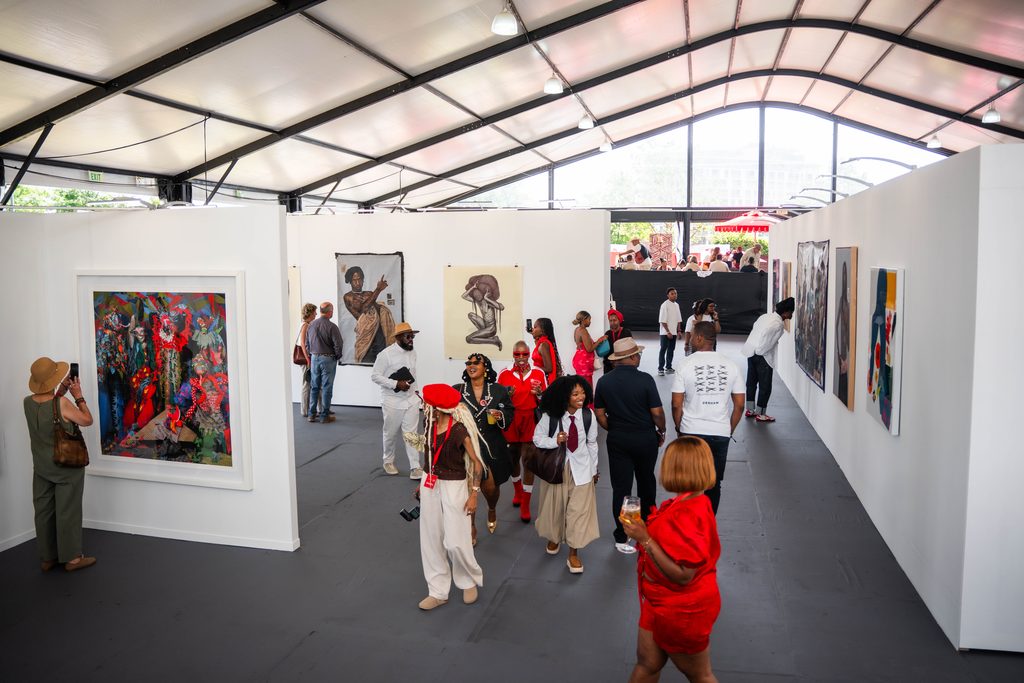
Bayliss says mentors can offer feedback on technique and help artists think through career strategy, pricing, portfolio development and the legal aspects of contracting. The artists can also build connections with important industry contacts, giving them greater access to the art world and helping to support their financial wellbeing.
Preparing for a solo exhibition can help an artist develop a cohesive body of work and expand their technical portfolio. Experienced curators can help artists refine their chosen themes and encourage deeper reflection. Bayliss describes that process as potentially cathartic for storytelling.
Mlima’s Gerard Sekoto Award includes a three-month residency at the Cité Internationale des Arts in Paris, from April to June 2027, as well as a solo exhibition supported by a R100,000 contribution towards materials. The award is made possible through a partnership between the Embassy of France in South Africa and IFAS.
Bayliss says international residencies can broaden an artist’s worldview and influence the work they produce. They can also give artists the chance to develop cross-cultural techniques, meet peers and form collaborations. More broadly, he says, the support available through the awards can help artists avoid some of the difficult consequences of pursuing art as a career, including isolation and imposter syndrome, while building confidence and pride in their work.
Four Artists, Four Different Stories
The winners bring different approaches and experiences to the competition. Bayliss says Boateng uses digital technology to celebrate colour and tell stories about Blackness and its beauty. Chisenga, Zambia’s first Ambassador Award winner, is also an artist with a song that is going viral in Zambia.
Owolabi makes portraits with threads. Bayliss says he moved to the medium after becoming ill from paint fumes. Mlima trained as an architect before deciding to pursue art full-time. For Bayliss, showing work by artists from across the continent matters because it gives audiences direct access to a wider range of African perspectives. He says artists help reclaim the narrative about Africa, challenging narrow views of the continent.

“The finalists of the Absa L’Atelier Art tell a story that paints a real African image, celebrating Africa’s diversity, traditions and richness of talent,” he says. “It states that African culture is modern, urban and vibrant, and it has a story to tell that resonates globally.” He hopes audiences will see the distinct stories and themes in each winner’s work, and connect with the artists’ perspectives. “These artists give something to life,” he says. “They fully fulfil the brand promise of ‘Your Story Matters.’” Entries for the 2027 Absa L’Atelier Art Competition are scheduled to open in March and close at the end of April 2027.