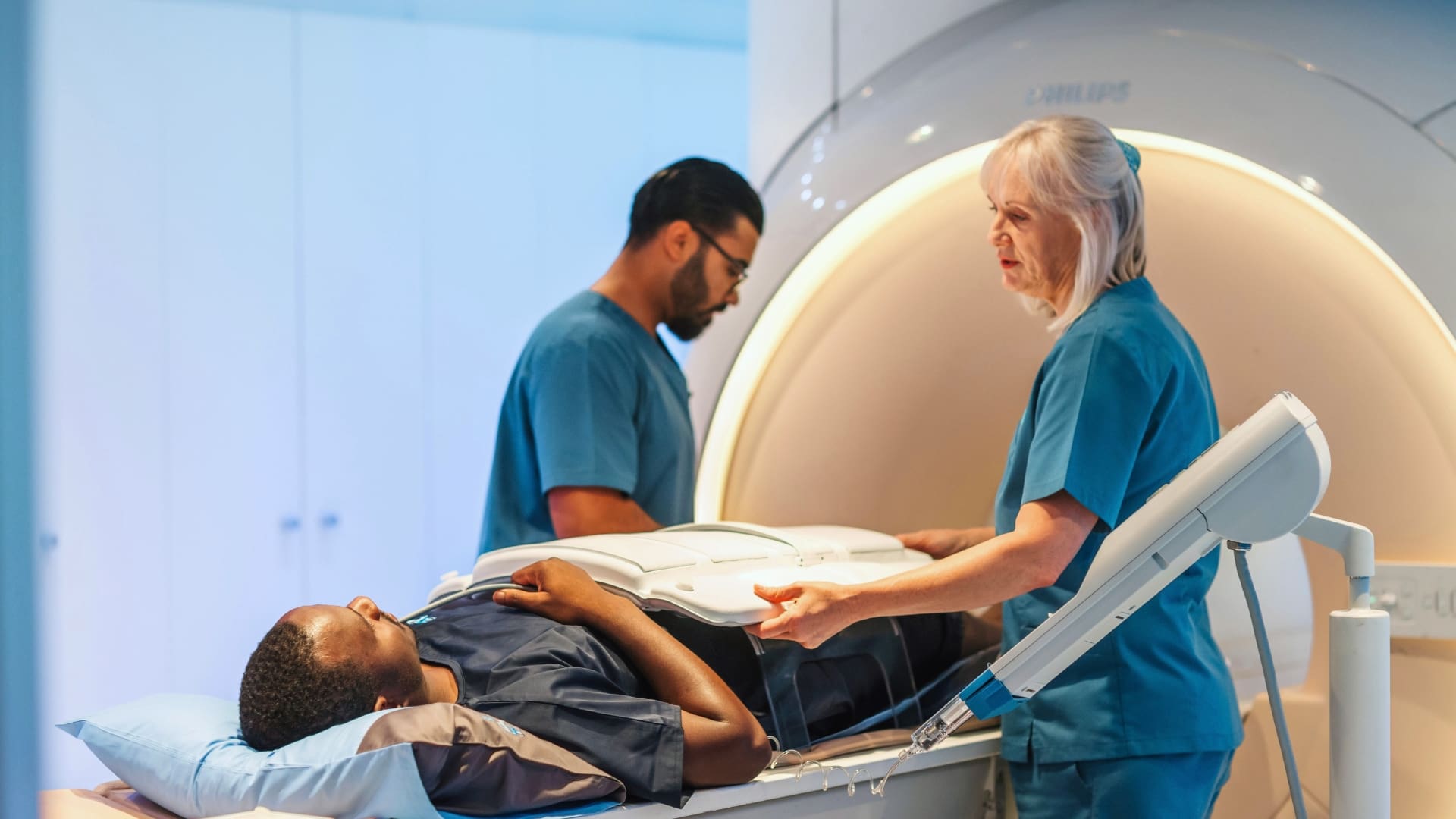
A raised PSA result can leave you with a question you want answered quickly: is it cancer? A prostate MRI can help doctors decide whether a biopsy is needed and, if it is, where to take the samples.
Prostate cancer is the most commonly reported cancer among South African men. Yet in its early stages, it often causes no symptoms. “It is very important to realise that in the early stages of prostate cancer the patient will often have no symptoms at all,” says Dr Louw-Waldi Vlok, a urologist at Mediclinic Panorama.
That is why a conversation with your doctor about your personal risk and screening matters, even if you feel well. If a PSA blood test raises concern, MRI may be part of the next step.
Why a PSA Result Does Not Tell the Whole Story
PSA stands for prostate-specific antigen, a protein made by the prostate. A raised level can prompt further investigation, but it does not diagnose cancer on its own. Other prostate conditions can affect the result too. Your doctor may consider your age, medical history, examination findings and whether a repeat PSA test is needed before recommending further tests.
READ MORE: How Ejaculating 21 Times a Month Can Lower Prostate Cancer Risk in Men
Traditionally, men with a concerning result might have had a systematic biopsy. A urologist would take tissue samples from several areas of the prostate using ultrasound guidance. The limitation was that ultrasound did not necessarily show which area, if any, looked suspicious. A biopsy could miss a significant cancer if the samples did not reach it.
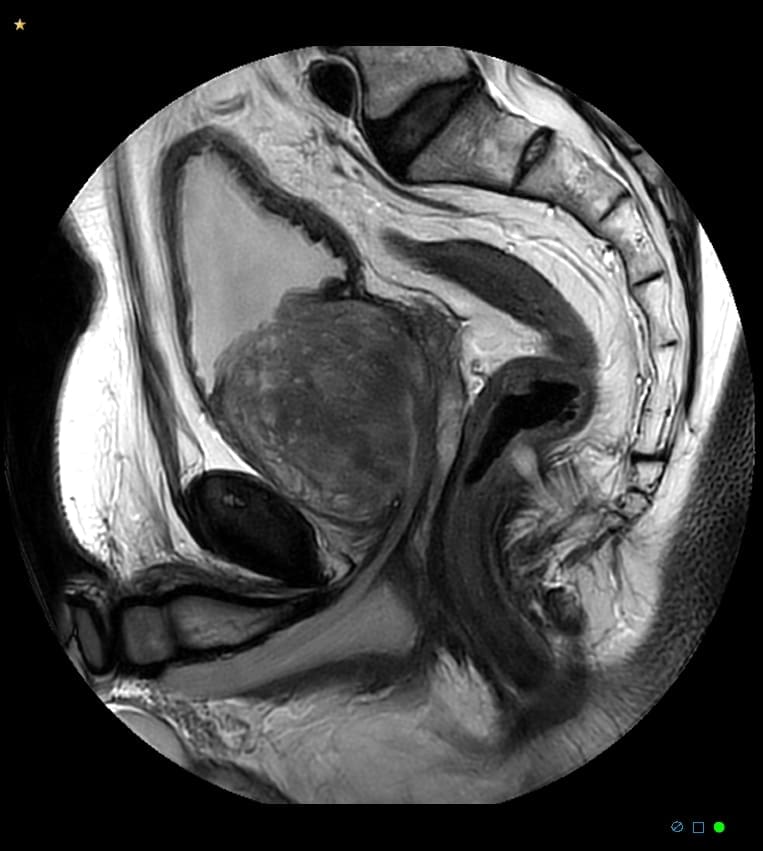
What a Prostate MRI Adds
An MRI produces detailed images of the prostate without using radiation. “This is a detailed scan that maps the prostate and identifies areas that look suspicious,” explains Dr Hein Els, a radiologist specialising in abdominal imaging at SCP Radiology.
READ MORE: Here’s Everything You Need To Know About Prostate Cancer
Current European guidance recommends MRI before biopsy for men with suspected cancer confined to the prostate. If the scan shows a suspicious area, doctors can use those images to guide a targeted biopsy. They may also take systematic samples, depending on the individual case. Research has shown that an MRI-led approach can improve detection of clinically significant cancer while helping some men avoid a biopsy.
What Does a PI-RADS Score Mean?
A radiologist may give an area seen on the MRI a PI-RADS score from 1 to 5. The score describes how likely the images are to show clinically significant prostate cancer. It is not a cancer diagnosis.
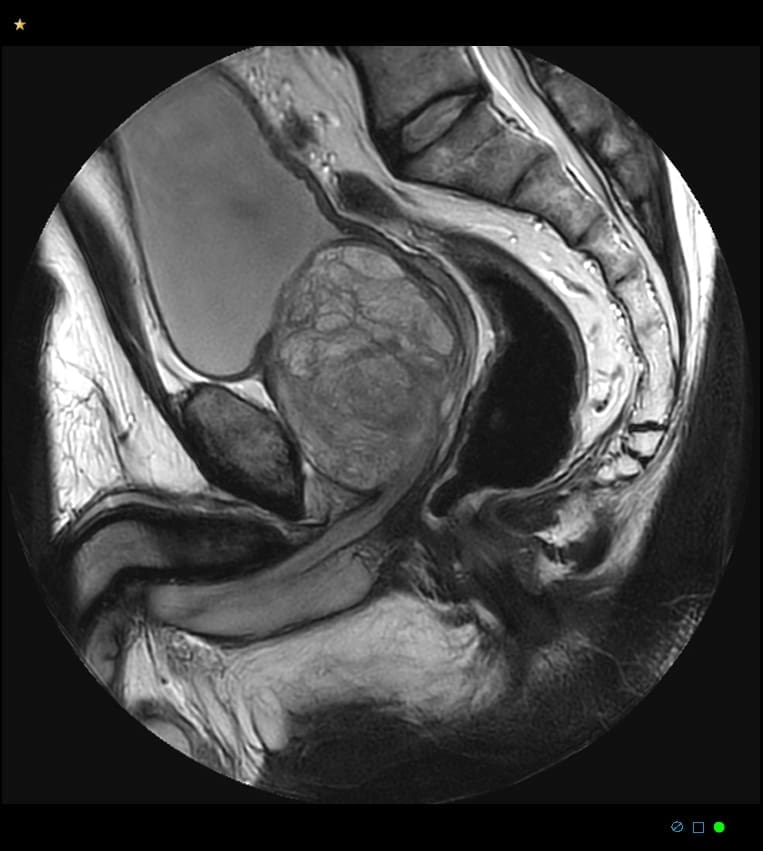
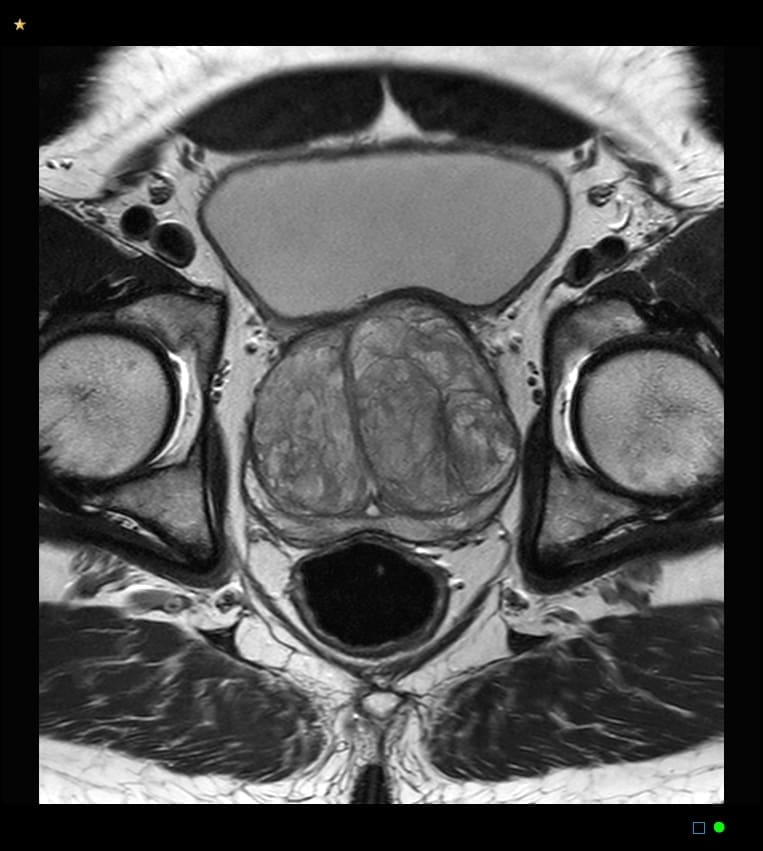
- PI-RADS 1 or 2: Significant cancer looks unlikely on the scan.
- PI-RADS 3: The finding is uncertain. Your doctor will weigh it alongside your PSA and other risk factors.
- PI-RADS 4 or 5: The finding is more suspicious, and a biopsy is generally considered.
A low score can be reassuring, but it does not rule out cancer completely. If your overall risk remains high, your doctor may still recommend a biopsy despite a negative MRI.
Should You Wait for Symptoms?
No. Early prostate cancer often has no symptoms. Changes such as difficulty urinating, blood in the urine or semen, or persistent pain in the back, hips or pelvis deserve medical attention, although they can have causes other than cancer.
READ MORE: Understanding Prostate Cancer and the Power of Early Detection, According to a Urologist
MRI gives doctors a clearer view when prostate cancer is suspected. For you, its value is a more informed decision about what happens next, whether that means monitoring, further tests or a biopsy directed at an area of concern.