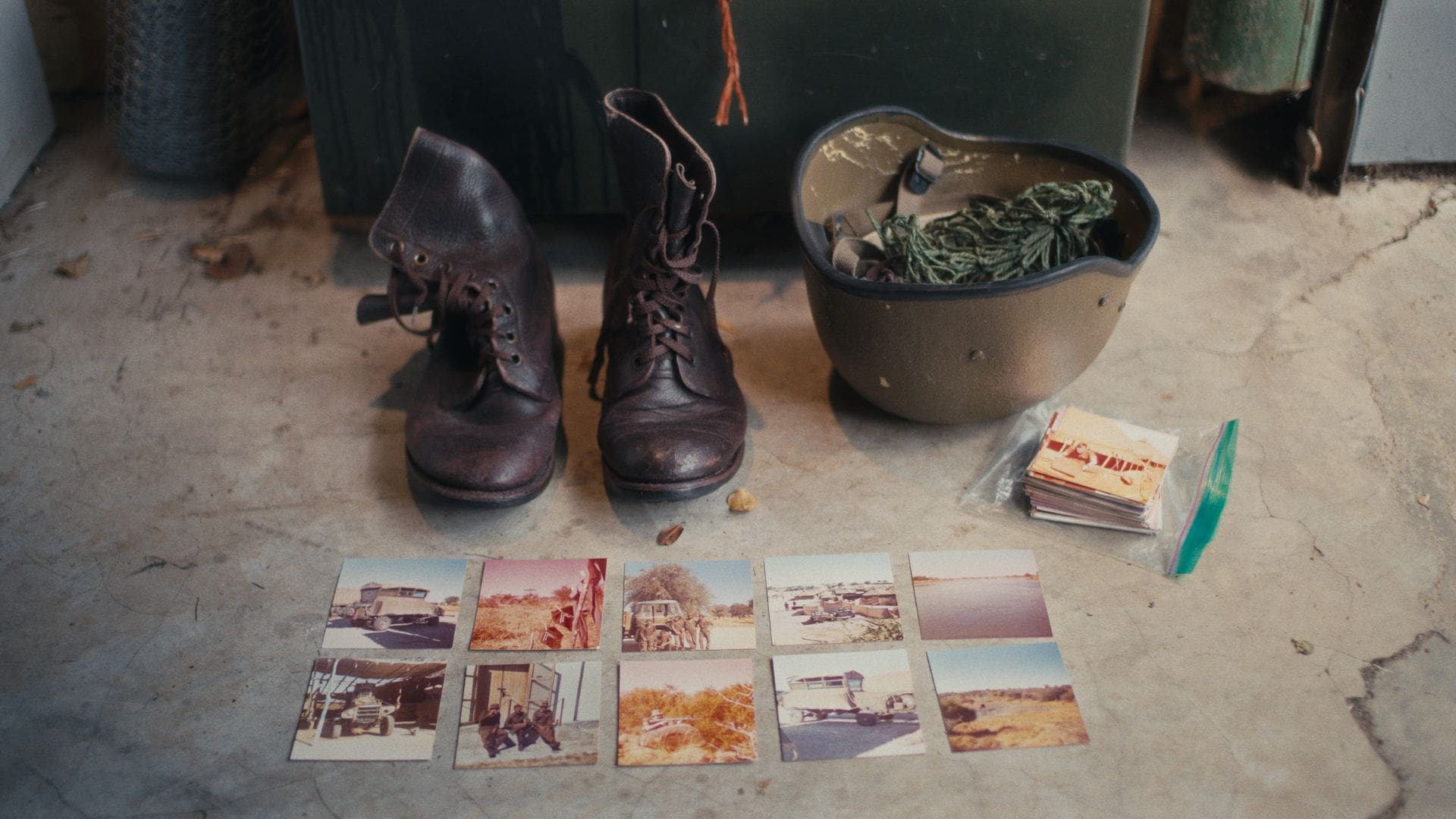
South Africa’s Border War remains one of the most influential and least understood chapters in our history. It shaped families, fractured generations and carved deep emotional marks that continue to echo today. Yet for decades, it lived in silence.
The new documentary series Unspoken War breaks that silence with raw, courageous and often painful testimony from the people who lived it. Directors, historians, journalists, veterans and their families all come together to tell a story South Africa has never fully confronted until now.
For Men’s Health, this is more than history. It is a powerful exploration of trauma, masculinity, identity and the emotional inheritance passed from fathers to sons. We spoke to the creators and voices behind the series to understand why this story could not wait any longer.
Why This Story Matters
Director Nikki Comninos says the series is deeply personal. “I was born in Zimbabwe as a result of the war. My father had been avoiding conscription by studying, but once he ran out of deferment options, he went into political exile. If you live in Southern Africa, you have been touched by this war. Whether a family member fought in the war, resisted it, or you have been affected by the imprint these conflicts left on society. Many of these personal stories have never been fully explored or shared publicly. The generation that fought is ageing, and many were taking their stories to the grave. If we did not document these voices now, we would lose them forever.”
READ MORE: What to Watch This Weekend: Fatal Seduction, Hunting Jessica Brok and Cop & A Half
The series explores silence, trauma and memory. Nikki describes building trust with interviewees as a delicate process. “Some had never shared their story before. Talking and being heard has value in itself. Many veterans begin opening up only after 30 or 40 years. The biggest surprise was realising that almost everyone, no matter which side they were on, felt betrayed. Conscripts felt betrayed by the state that sent them. Resisters felt betrayed by the political systems they believed in. Families felt betrayed by the silence. That shared sense of betrayal challenged my own assumptions.”
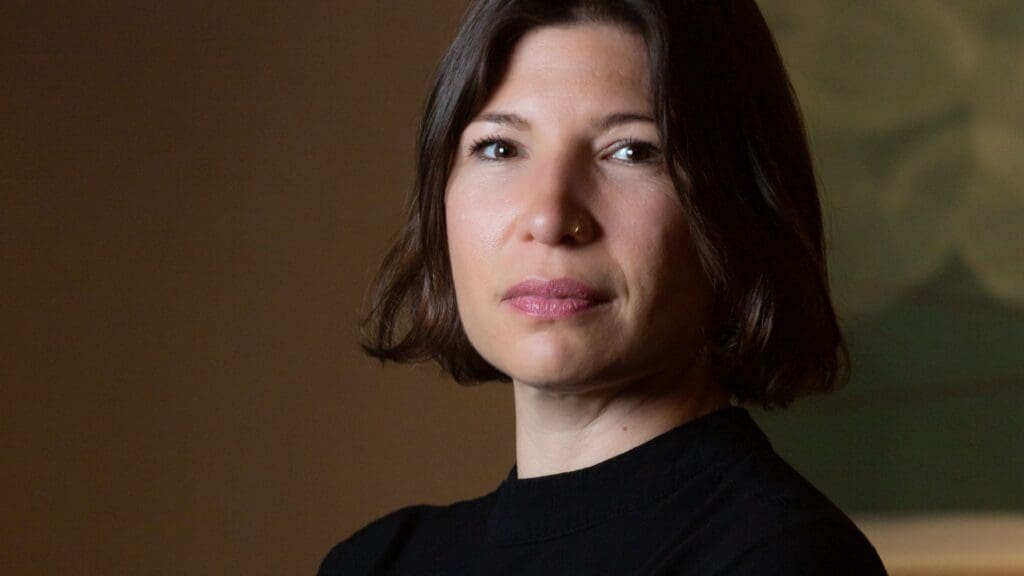
Balancing the emotional weight of testimony with historical accuracy was also a priority. “It was important to give the audience a historical framework to understand this complicated war, so we relied on historians and journalists to help anchor the series. Without that grounding, it becomes difficult to understand the pressures and motivations of those involved. Once that context was in place, the emotional testimony became the heart of the documentary.”
The series includes voices from SADF conscripts, SWAPO fighters, journalists, and families. Nikki explains the approach to casting participants. “We aimed for the broadest range of perspectives possible. We spoke to conscripts, Special Battalion leaders, conscientious objectors, exiles, families, and PLAN fighters. No single perspective tells the whole story. Grassroots voices reveal the human cost that official records often try to conceal. Women and children are often brushed over as casualties, yet they endure the absences, the losses, and the trauma that comes home. Their experiences became a strong focus.”
Balancing History and Emotion
Journalist Julie Frederikse highlights how the media shaped public perception. “During the 1970s and ‘80s, the government controlled the media. Many misconceptions were driven by the fact that the public had far more access to the views of men than of women. The stories told by wives and daughters were deeply moving and helped me understand the experiences of the men who were conscripted.”
Military historian Prof. Evert Kleynhans points out that the conflict is often misunderstood. “The war is usually treated as a single event when it was at least three distinct but interconnected wars. The Cold War politics provided the apartheid government with an alibi. On the ground, it was brutal and complex. Many veterans fought under a weight of fear and expectation, yet their experiences have often been silenced.”
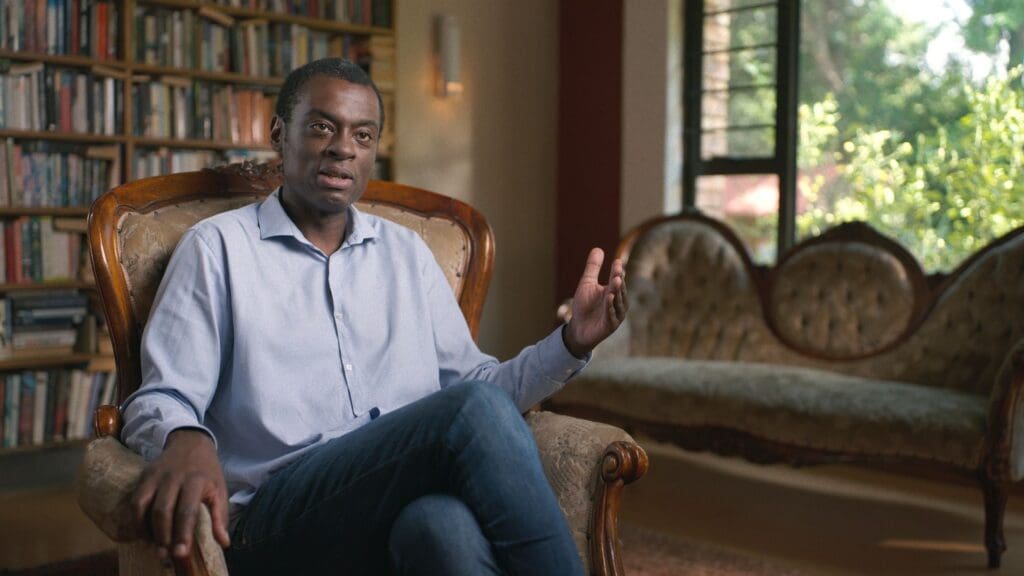
Historian Prof. Thulasizwe Simpson adds, “The greatest misconceptions arise from only half the story being known. The perspectives of SWAPO, Cuban and Angolan combatants remain largely unknown. This has left South African accounts incomplete.”
Research journalist Pieter Steyn summarises, “Every soldier, politician and commander only knows a small fragment of the story. People who were on the border think they have the full picture, but they do not. This documentary helps the hidden dimensions surface.”
Personal Stories, Powerful Lessons
For Junior Producer Minette van der Walt, the project became a personal journey of understanding her father. “I always knew my father ‘went to the border,’ but that was all. I grew up with a conflicting idea of who he was. He was an alcoholic and there were turbulent times in our house. But other times he was loving, gentle and adventurous. In 2014, I discovered a personal memoir he had written in 1999. Fifteen years after his death, it felt like he was speaking directly to me. Reading it set me on a journey of discovering aspects of his life I had never understood.”
Minette reflects on how the project reshaped her understanding of both her father and the army. “He was a fully committed soldier who gave his life to what he believed his country expected of him. Today I understand that he was not emotionally equipped to handle the traumas he experienced. Hyper-masculinity demanded that men stay in control. He made mistakes, some he deeply regretted and apologised for in his memoir. I have a lot of respect for that. Without his account, I would never understand him or myself the way I do now.”
Her work on the series also revealed the power of conversation. “Many men feel there is no point in talking about it. But it is not about the details. The isolated experience becomes a shared one, and that brings people closer. Politically, they acted within the context of the time. The conflict bought the government time to negotiate a peaceful transition. But politics do not matter now. What matters is that our fathers know we want to listen.”
Connecting Generations
Tulimelila Shityuwete, whose father was a Namibian freedom fighter, highlights the importance of connecting past and present. “My father’s story has always lived openly in our home. We grew up discussing the war, the dreams, the losses and the unfinished work of liberation. What feels important now is adding my voice to the public conversation in a way that connects the past to the present. Speaking about this history can help soften some of the wounds we carry and move us toward a future where we recognise our shared humanity.”
READ MORE: Inside Shaka iLembe Season 2: How Xolani Khowa and Anele Nene Trained Like Warriors
Tulimelila reflects on the children of veterans. “We are the bridge between generations, holding both the pain and the possibility. Men who were conscripted and have carried these memories silently for decades have found themselves speaking for the first time. When their stories are met with empathy and support, something inside them unlocks. The floodgates open in the gentlest way.”
Isabel de Beer, whose husband was a veteran, describes the impact of learning the family story. “Trauma crept up on me very slowly. At first I was convinced that I dodged many bullets and was fine. Later I realised that I was a battered woman with all the scars that come with that. By not telling your own story, you cannot put this trauma to rest. Confronting your fears and insecurities sets you free.”
Veterans Speak Out
Col. Tobias Germano speaks about why he chose to finally share his story. “There comes a time when the silence inside grows too heavy to bear. I feel a responsibility to share mine so that the lessons and experiences are not lost. My memories are not just reminders of what I have lost. They are the foundation of who I am. Sharing my story has helped me heal and has given others a window into the realities of war and displacement.”
READ MORE: Thuso Mbedu on Task, Playing a Kick-Ass FBI Agent and Why Growth is Always Uncomfortable
Dr. Louis Bothma, another veteran, adds: “Nothing has had a greater impact on my life than my exposure to the army and the Border War. Some experiences strengthened me for challenges after military life. Others brought conflict with civilian society. I was raised to stand on my own two feet and to despise injustice. The army only brought these things out more strongly. Politicians should never be blindly followed or trusted. They must be held strictly accountable.”
Lessons for the Next Generation
Nikki Comninos hopes Unspoken War can spark understanding and dialogue. “Younger people will see a version of this history that is not filtered through shame or politics. They live with its legacy but often it has not been explained. I hope the series becomes a resource for families trying to understand their parents or grandparents. Understanding is the beginning of repair.”
For Minette van der Walt, the impact is personal. “It taught me that I am allowed to talk about my father, and about my own experience. The act of sharing can set people free. Silence reinforces isolation. Being heard and understood changes our physiology.”
Through the voices of veterans, families, journalists and historians, Unspoken War opens a space for recognition, healing and empathy. It confronts decades of unspoken history and gives ordinary South Africans the chance to see themselves reflected in the consequences of war. It is a story that could not wait any longer to be told.