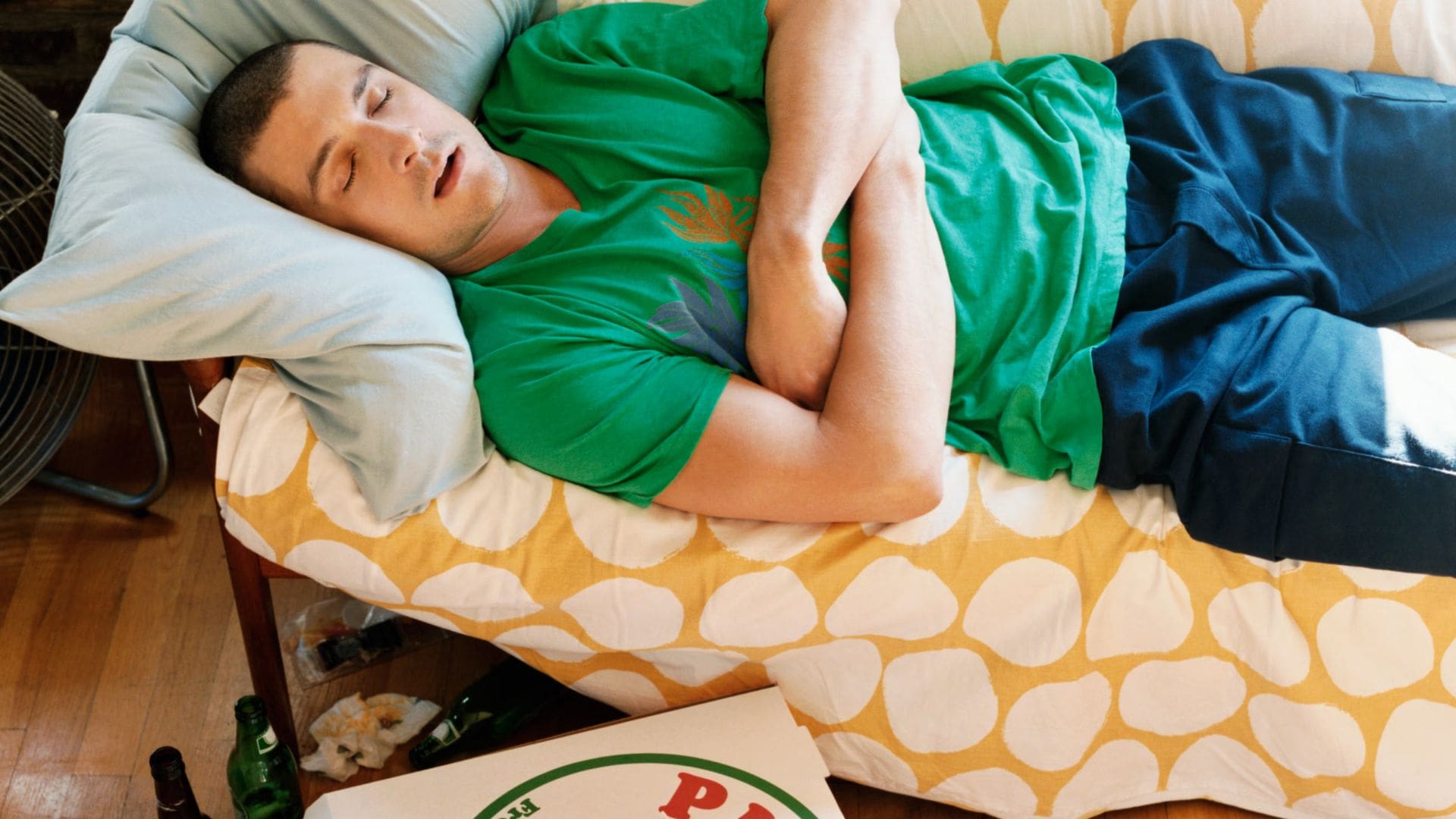
“Food is fuel” is something you often hear. But sometimes eating has the opposite effect. Instead of energised, you feel sleepy and sluggish and ready to take a nap after mealtimes.
This “food coma” effect is actually a normal phenomenon, says Kevin Cronley, M.D., a board-certified gastroenterologist at Gastro Health in Cincinnati, Ohio. It’s technically known as postprandial somnolence.
“When we eat, our blood is shunted away from our vital organs to the GI tract to help aid in digestion,” he explains. “This is why you feel tired after eating.”
While a food coma may be a natural bodily process, you may associate certain foods with making you sleepy. Most notably, turkey, as it contains the amino acid tryptophan, which is converted to serotonin and melatonin.
But scientists say there’s not really a direct correlation between eating turkey and sleepiness, even though you might take a big nap after Christmas lunch/dinner. Tryptophan is also found in several types of foods besides turkey, including other meats, dairy, eggs, and some nuts and seeds.
Still, what you eat and how much can increase your tiredness after eating, according to Soma Mandal, M.D., an internist at Summit Health in New Providence, New Jersey. Other factors may also be at play, including your sleep and exercise habits, and whether you have other medical conditions.
Here are some reasons you often feel tired after eating, what you can do about it, and when you should be concerned and see a doctor.
Why You Feel Tired After Eating
It is normal to feel a little low energy after mealtimes, Dr. Cronley says. Here are some reasons why:
1. You’re eating a lot of fat and carbs.
Indulging in a big helping of mac and cheese at lunchtime may leave you dozing off at your desk. The reason is foods high in fat and carbs may contribute more to fatigue, Dr. Cronley says.

Fats are large complex molecules that are harder for your body to break down, so they may take longer to digest, which keeps your energy levels low, he says. Carbohydrates cause rapid increases in blood sugar, which contributes to fatigue.
READ MORE: The Low-Carb Lasagne Recipe with 82% Less Carbs You Need To Try Now
Hormones, including cholecystokinin, can spike after eating fatty, carb-rich foods and cause sluggishness, Dr. Mandal says. “These sorts of foods also promote more inflammation in the body and cause people to experience fatigue.”
2. You’re not eating enough lean protein and fiber.
When you don’t eat enough fibre or lean protein at each meal, you might find yourself feeling more tired, says Nancy Farrell Allen, R.D.N., a spokesperson for the Academy of Nutrition and Dietetics.
Fibre helps regulate your blood sugar levels, she says. It also keeps your digestive system regular, which may increase energy.
Lean protein, such as fish, poultry, and beans, can add healthy fats to your diet. It’s ideal that every meal includes a healthy balance of good fats, fibre, and protein, Dr. Mandal says.
3. You’re eating and drinking too much.
Overeating at mealtimes or eating larger portions might make you excessively tired, Dr. Cronley says. The more you eat, the longer it can take to digest, and that results in more fatigue. So keeping your portions in check will help keep your energy levels up.

Drinking alcohol, especially too much, can make you drowsy, Allen says. “This lowers our inhibitions, too, which can impact our food choices and food quantities.”
The Dietary Guidelines recommends that men limit their alcohol intake to two drinks or less per day, although some health experts recommend taking it lower than that.
READ MORE: This Is How Long Alcohol Really Stays in Your System
4. You have an underlying health condition.
Feeling tired after you eat can sometimes signal that something more serious is going on, Dr. Mandal says.
For instance, fatigue can be a mild symptom of celiac disease, a condition in which the body cannot process gluten. If this is the case, you may find you feel more energised once you eliminate gluten from your diet.
Other potential underlying conditions, including insomnia, hypothyroidism, and sleep apnea can also lead a person to feel more fatigue after eating.
5. You’re not getting enough sleep.
Your circadian rhythm is your normal sleep-wake cycle, Dr. Mandal says. In a typical circadian cycle, you experience a normal sleep phase at night. However, there is also a smaller sleep phase in the mid-afternoon, usually between 2 and 4 p.m.
Eating lunch too late in the day may contribute to increased fatigue in the smaller sleep phase.

Adjusting your mealtimes could give you more energy. And, of course, so can getting adequate sleep. Aim to get seven or more hours of sleep a night.
READ MORE: Want Better Sleep? Do This 1–2 Hours Before Bed
Sleep deprivation can also impact your food choices and how much you eat, Allen says. “We might select an item, or a large quantity of it, that may make us feel relaxed and tired. Hence, we can get caught in a cycle.”
When to Worry About Feeling Tired After Eating
If you’re constantly experiencing debilitating fatigue after eating, and it’s affecting your daily tasks and responsibilities, see your doctor, Dr. Cronley says.
Fatigue can be a symptom of many different health conditions. You may need to be evaluated to rule out illnesses, like diabetes, anaemia, celiac disease, sleep apnea, and other conditions that could be playing a role, Allen says.
This article by Emilia Benton and Erica Sweeney was published on Men’s Health US