Everyone is obsessed with protein these days. Americans are trying to eat more of it, so of course fitness and wellness brands are responding with their own spin on protein-maxxing: labels of high protein. With millions of “high protein” posts on TikTok, what does the term actually mean?
“There’s no universally accepted definition,” says Michael Ormsbee, PhD, director of the Institute of Sports Sciences and Medicine at Florida State University. Still, it doesn’t seem to be all baloney. The obsession over ‘high-protein’ is somewhat rooted in science.
Over the past few decades, there’s been solid scientific research illustrating the relationship between a higher-than-Recommended Daily Allowance (RDA) protein intake and its link to health benefits, like weight loss, muscle support, satiety, and bone health, says John Carbone, PhD, RD, professor of dietetics and human nutrition at Eastern Michigan University. Protein can also improve body composition, control appetite, and support metabolism, Ormsbee adds.
READ MORE: Does Eating a High Protein Diet Help Weight Loss?
If you’re still scratching your head over what “high protein” means and whether you should buy a high-protein labeled product, we contacted experts to best explain it.
What High Protein Means
The RDA for protein is 0.8 grams per kilogram of body weight per day, says Grace Derocha, RDN, registered dietitian and spokesperson for the Academy of Nutrition and Dietetics.
So an 91 kg guy needs about 73 grams a day. The USDA has an online calculator to help you calculate yours.
High protein would technically be anything over that.
Ormsbee says he would define “high protein” as about 1.6 to 2.2 grams per kilogram of body weight. (MH previously reported that around 2.2 grams per kilogram of body weight was ideal for most healthy people).
Examples of High-Protein Meals and Snacks
A high-protein meal for most men would be 35 to 45 grams, Derocha says. Ormsbee suggests that it could be up to 50 grams, depending on your body size, fitness status, and health goals.
Here are some examples of high-protein meals:
- A 170 g grilled chicken breast with quinoa and veggies (about 40 grams)
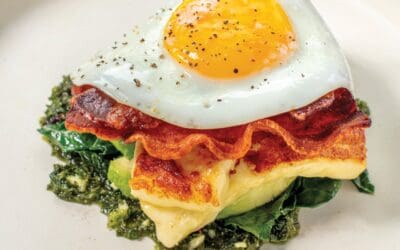
- Three scrambled eggs, two turkey sausage links, and whole grain toast (35–40 grams)
- 250 ml cooked lentils, 125 ml edamame, and brown rice (about 35 grams)
- A 170 g salmon fillet, sweet potato, and sautéed greens (about 45 grams)
A high-protein snack should be 15 to 20 grams, Derocha says. Carbone recommends choosing snacks following the “10 percent rule,” where the protein content in grams is about 10 percent of the calorie amount. For instance, he says a 150 g tub of Greek yoghurt has about 110 calories and 11 grams of protein.
Here are some examples of high-protein snacks:
- Two hard-boiled eggs and 30 g of almonds (about 18 grams)
- A small protein shake with 1 scoop of protein powder and unsweetened almond milk (20–25 grams)
- Tuna pouch and whole grain crackers (18–20 grams)
- Beef or turkey biltong-style jerky and a piece of fruit (15–20 grams)
READ MORE: The High-Protein Breakfast Recipe to Fuel Your Morning Workout
Whole Foods vs. High Protein Products
The goal with high-protein meals and snacks is to “combine convenience with nutrients that actually satisfy—protein, fibre, and healthy fat,” Derocha says.
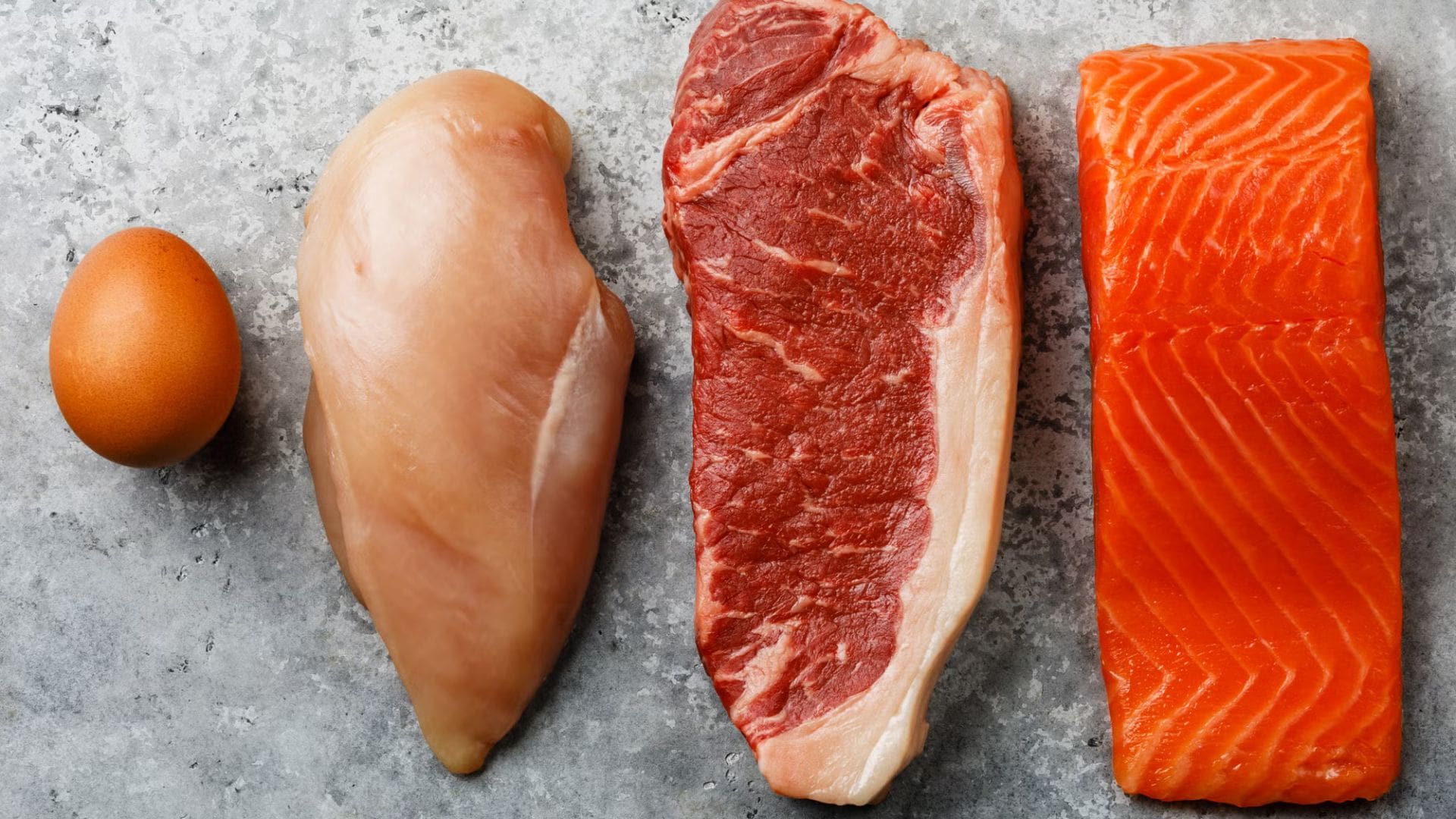
When choosing protein, Ormsbee says protein-fortified foods, like bars and shakes, can be a convenient option, but whole foods—lean meats, dairy, eggs, fish, and legumes—will always offer much more.
“There are a lot of beneficial components in whole foods beyond the macronutrients, like vitamins and minerals, phytonutrients from plants, and fibre,” Carbone says.
This article by Erica Sweeney was originally published on Men’s Health US